FORT economists and social scientists investigate the complex relationship between nature and humans
Research includes studies of outdoor recreation, wildfire risk assessments, and economic impacts of invasive grasses.
FORT scientists produce tools and research for better management of invasive species
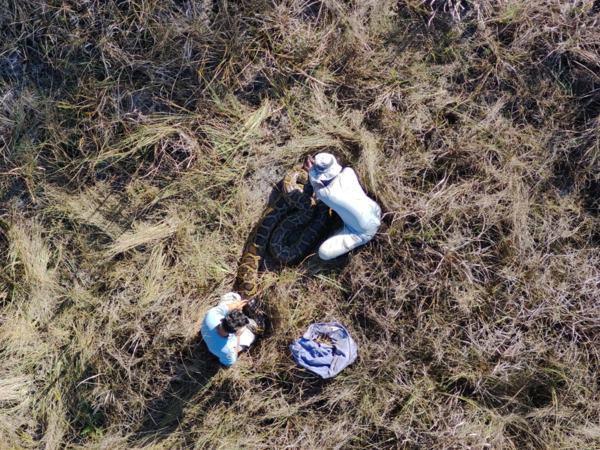
FORT invasive species research spans a wide range of taxonomic groups and landscapes, from python invaders in the Everglades to annual grasses that exacerbate wildland fire risk in the western United states.
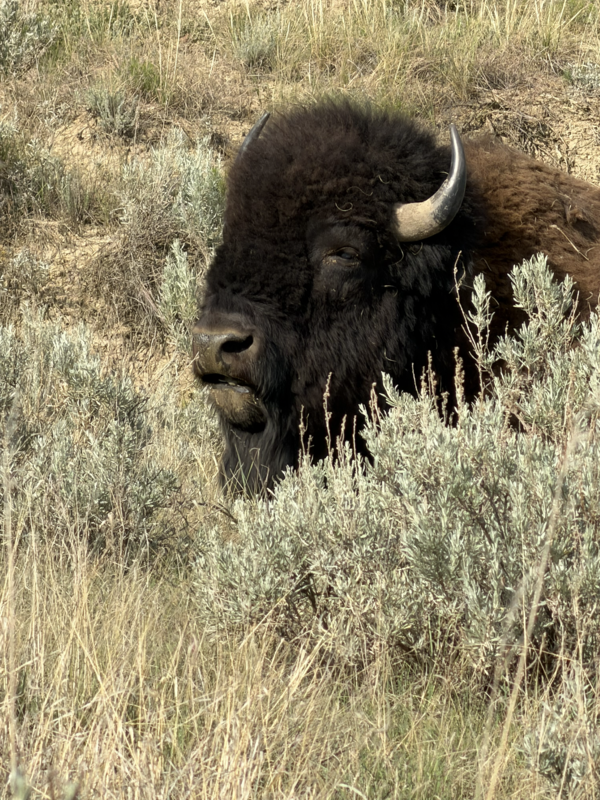
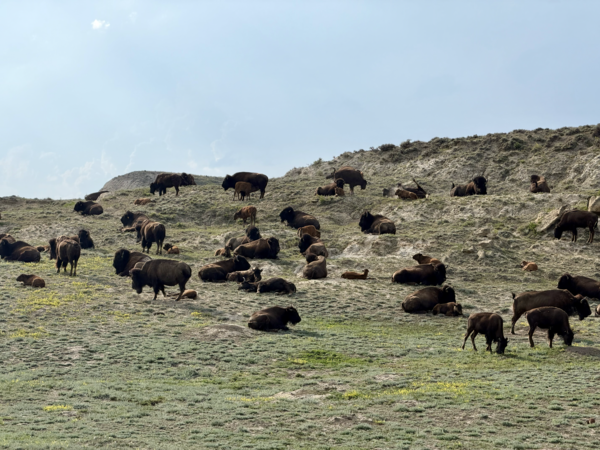
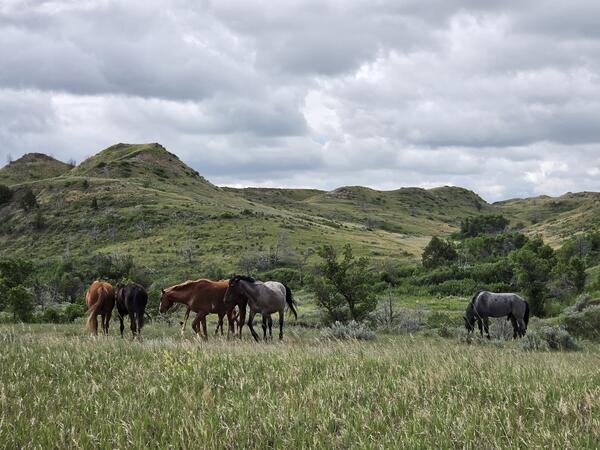
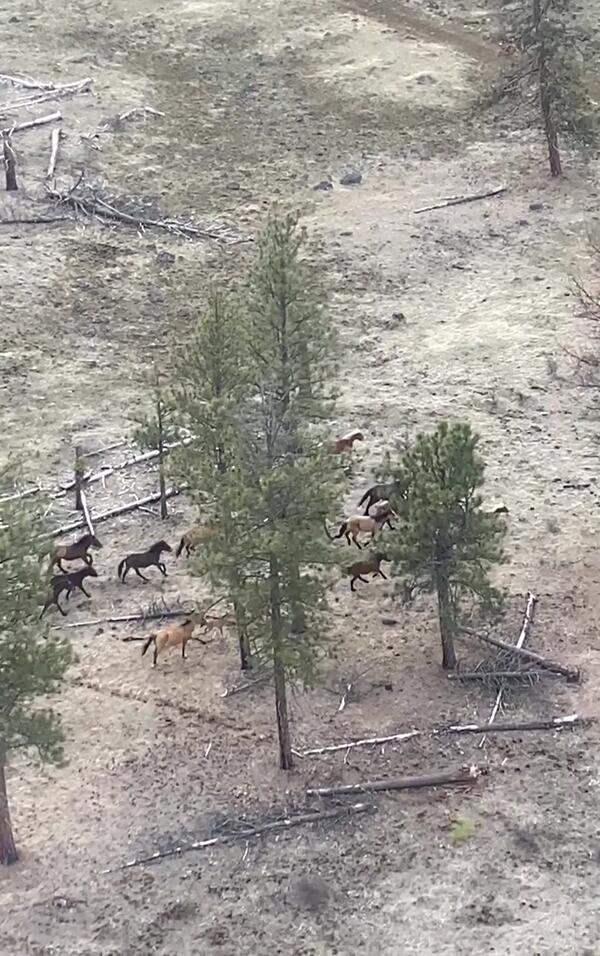
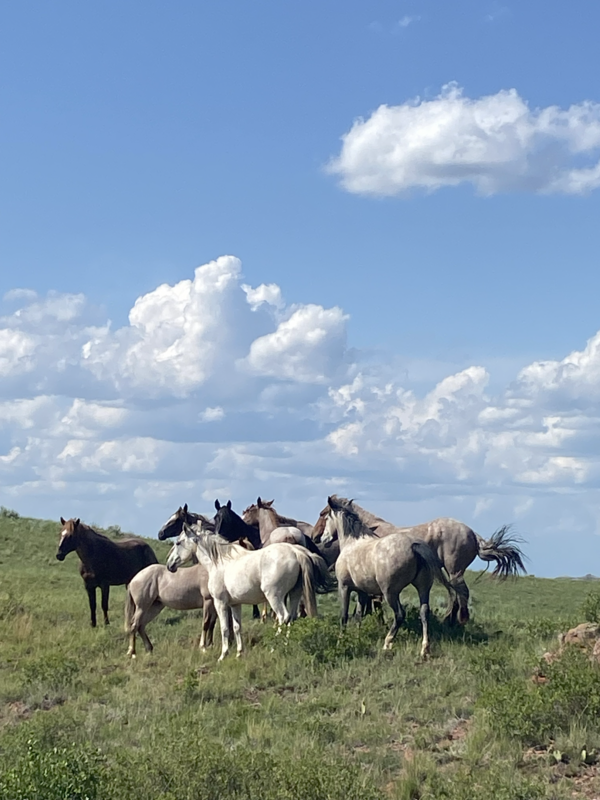
FORT researchers improve methods for effective monitoring and management of wild horses and burros.
FORT researchers produce cutting-edge science and resource mapping to inform energy development in southwestern Wyoming
FORT scientists investigate infectious diseases like chronic wasting disease, plague, and white-nose syndrome to support the management of wildlife populations
FORT Laboratories and Facilities like the Molecular Ecology Lab provide essential capabilities to support the Department of Interior
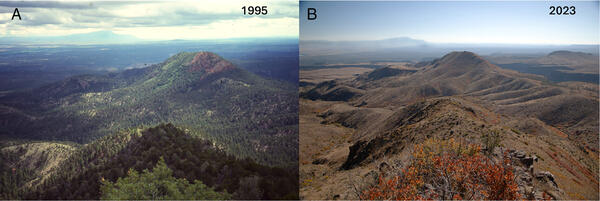
FORT researchers conduct world-class science on the effects and consequences of drought across the western United States
Fort Collins Science Center
Welcome to the Fort Collins Science Center (FORT) located in Fort Collins, Colorado, just east of the Rocky Mountains. At FORT we develop and disseminate research-based information and tools needed to understand the nation’s natural resources in support of effective decision making.
Wild Horse and Burro Research
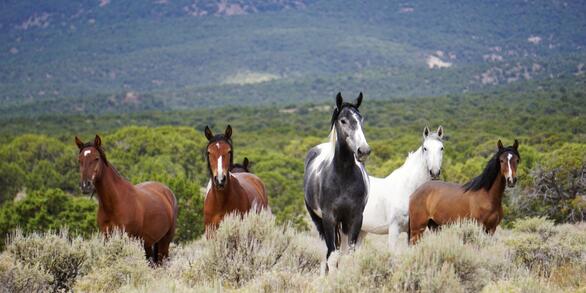
In collaboration with universities, federal land management agencies, state wildlife organizations, and tribal biologists, scientists at FORT are refining methods to accurately count wild horses and burros, investigating how these equids interact with native ecosystems, and testing tools to more effectively manage wild equid populations.
Shrubland, Alpine and Grassland Ecology (SAGE) Wildlife Research Group
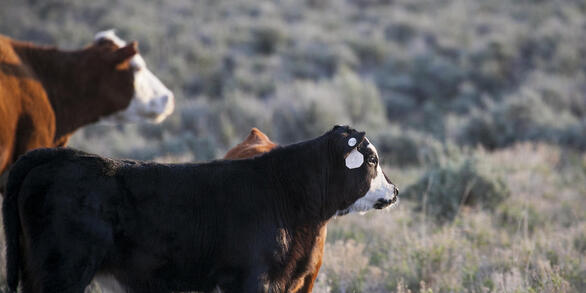
The SAGE Wildlife Research Group consists of a large team of research scientists with an interest in conservation and management of America's rangelands. Broadly, research involves understanding animal-habitat relationships, with an emphasis on conservation ecology and population demography, and a focus on shrubland, alpine, and grassland ecosystems.
Science in Support of Resource Management
The pages below highlight current science in support of the research priorities of the U.S. Department of the Interior’s resource management bureaus as well as other Federal and State agencies, Native American Tribes, academic institutions, and non-governmental organizations.
News
EcoNews - Vol. 7 | Issue 3
FORT Updates: From Plains to Peaks - Vol. 4 | Issue 4
Branching out: New study reveals when invasive pythons take to the trees
Publications
Methods and considerations for writing science syntheses for use in decision making on public lands Methods and considerations for writing science syntheses for use in decision making on public lands
Elevated perspectives? A case study on the use of aerial imagery for rapid parcel-level wildfire risk assessments in the Kenai Peninsula Borough, Alaska Elevated perspectives? A case study on the use of aerial imagery for rapid parcel-level wildfire risk assessments in the Kenai Peninsula Borough, Alaska
The scope and severity of bat fatalities at US wind energy facilities The scope and severity of bat fatalities at US wind energy facilities
Science

Data Harmonization for Greater Sage-Grouse Populations

Actionable science for managing public lands