



Northern Prairie Wildlife Research Center
Located on six hundred acres along the James River Valley near Jamestown, North Dakota, the Northern Prairie Wildlife Research Center is one of seventeen USGS Science Centers that develop and disseminate the scientific information needed to understand, conserve, and manage the Nation’s rich biological resources.
Migratory Bird Center of Excellence
Migratory Bird Center of Excellence

The Northern Prairie Wildlife Research Center is known for its long history of meeting the migratory-bird research needs of Department of the Interior and the Nation.
NPWRC Science Topics
NPWRC Science Topics
Science conducted by Northern Prairie scientists can be grouped into six primary research topics:
Meet the Northern Prairie Staff
Meet the Northern Prairie Staff

Our employee directory contains names, position titles, phone numbers, email addresses, and biographies of Northern Prairie Wildlife Research Center staff.
News
Supporting Endangered Rusty Patched Bumble Bee Recovery Efforts
Supporting Endangered Rusty Patched Bumble Bee Recovery Efforts
A Tale of Two Islands and the Future of an Ocean Sentinel Seabird
A Tale of Two Islands and the Future of an Ocean Sentinel Seabird
EcoNews - Vol. 7 | Issue 2
EcoNews - Vol. 7 | Issue 2
Publications
End-user needs for remote sensing wetlands of the Prairie Pothole Region of North America End-user needs for remote sensing wetlands of the Prairie Pothole Region of North America
The Prairie Pothole Region (PPR) of North America comprises globally important grassland and wetland ecosystems critical for numerous populations of migratory birds. Due to the importance of this region for migratory birds, and particularly waterfowl, and the threats of habitat loss due to intensifying agriculture, there is a mature and diverse system of conservation organizations...
Decision analysis of long-term research and monitoring investments for the Upper Mississippi River Restoration program Decision analysis of long-term research and monitoring investments for the Upper Mississippi River Restoration program
Congressional authorization of the Water Resource Development Act of 2020 increased funding for the Upper Mississippi River Restoration (UMRR) program and its Long Term Resource Monitoring (LTRM) element. With adequate resources there is an opportunity for LTRM to expand its understanding of the Upper Mississippi River System, address unmet partner information needs, and better inform...
Conservation enhances resilience of the United States Duck Factory as environmental shifts may diminish landscape-scale waterfowl breeding capacity Conservation enhances resilience of the United States Duck Factory as environmental shifts may diminish landscape-scale waterfowl breeding capacity
Wetlands in the U.S. Prairie Pothole Region (USPPR) provide habitat for an estimated 5 million breeding ducks and remain a focal point for North American waterfowl conservation. After decades of investment, almost 20% of the USPPR is protected by some form of wetland or grassland conservation. We synthesized four decades of modeling studies aimed at understanding how environmental change...
Science
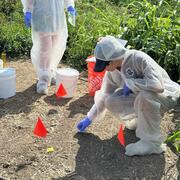
eDNA and the Efficacy of Management Actions
Environmental DNA (eDNA) is a powerful feedback tool, giving managers fast, clear, and cost-effective evidence to guide decisions and improve conservation outcomes.
By
Ecosystems Mission Area, Biological Threats and Invasive Species Research Program, Environmental Health Program, Species Management Research Program, Alaska Science Center, Columbia Environmental Research Center, Eastern Ecological Science Center, Forest and Rangeland Ecosystem Science Center, Fort Collins Science Center, Great Lakes Science Center, National Wildlife Health Center, Northern Prairie Wildlife Research Center, Northern Rocky Mountain Science Center, Pacific Island Ecosystems Research Center, Southwest Biological Science Center, Upper Midwest Environmental Sciences Center, Western Ecological Research Center (WERC), Western Fisheries Research Center, Wetland and Aquatic Research Center , Pacific Northwest Environmental DNA Laboratory
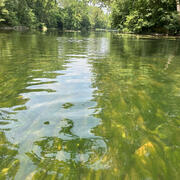
eDNA for Water-Quality Monitoring and Public Health Protection
By analyzing genetic traces left behind in water, eDNA provides early warning signs of problems—helping managers respond faster, protect public health, and keep freshwater ecosystems resilient.
By
Ecosystems Mission Area, Biological Threats and Invasive Species Research Program, Environmental Health Program, Alaska Science Center, Columbia Environmental Research Center, Eastern Ecological Science Center, Forest and Rangeland Ecosystem Science Center, Fort Collins Science Center, Great Lakes Science Center, National Wildlife Health Center, Northern Prairie Wildlife Research Center, Northern Rocky Mountain Science Center, Pacific Island Ecosystems Research Center, Upper Midwest Environmental Sciences Center, Western Ecological Research Center (WERC), Western Fisheries Research Center, Wetland and Aquatic Research Center , Pacific Northwest Environmental DNA Laboratory
eDNA Science for Species Management, Ecosystem Health, Biodiversity Monitoring, and Habitat Restoration
Using eDNA to track biodiversity, guide restoration, and safeguard ecosystems for the future.
By
Ecosystems Mission Area, Biological Threats and Invasive Species Research Program, Species Management Research Program, Alaska Science Center, Columbia Environmental Research Center, Eastern Ecological Science Center, Forest and Rangeland Ecosystem Science Center, Fort Collins Science Center, Great Lakes Science Center, National Wildlife Health Center, Northern Prairie Wildlife Research Center, Northern Rocky Mountain Science Center, Pacific Island Ecosystems Research Center, Southwest Biological Science Center, Upper Midwest Environmental Sciences Center, Western Ecological Research Center (WERC), Western Fisheries Research Center, Wetland and Aquatic Research Center , Pacific Northwest Environmental DNA Laboratory