



Life Under the Sea: USGS WARC Ocean Science
Nearly two-thirds of our planet is covered by water with more than 120 million Americans living near an ocean or Great Lake. Celebrate Ocean Month and learn more about USGS ocean science research!
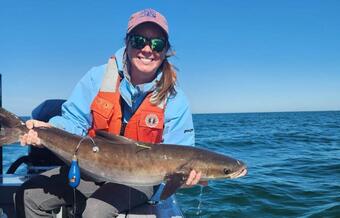
This June marks National Ocean Month. As part of the USGS Ecosystems Mission Area, WARC science helps inform the management of marine resources and the ecosystems that sustain these resources.
From the microscopic plants known as phytoplankton that form the basis of the aquatic food web
to the largest animal to ever live on Earth, the blue whale;
From color changing cephalopods like cuttlefishes and octopuses that propel themselves through the water column
to translucent jellyfish that float along with currents;
From the “Aww!”-inducing antics of paw-holding sleeping sea otters
to the alien-like deep-sea animals that inspire horror movies;
Our oceans are home to a wealth of biodiversity and every organism plays a critical role in the structure and function of this expansive marine environment. Maintaining this biodiversity is important because a healthy ocean provides us with oxygen, helps regulate climate and weather, acts as a source of protein for many people around the world, and provides jobs and opportunities for eco-tourism and recreation. USGS WARC science informs the management and conservation of marine biodiversity and habitats, from the coastlines down to the deepest trench.
Tracking Sea Turtles
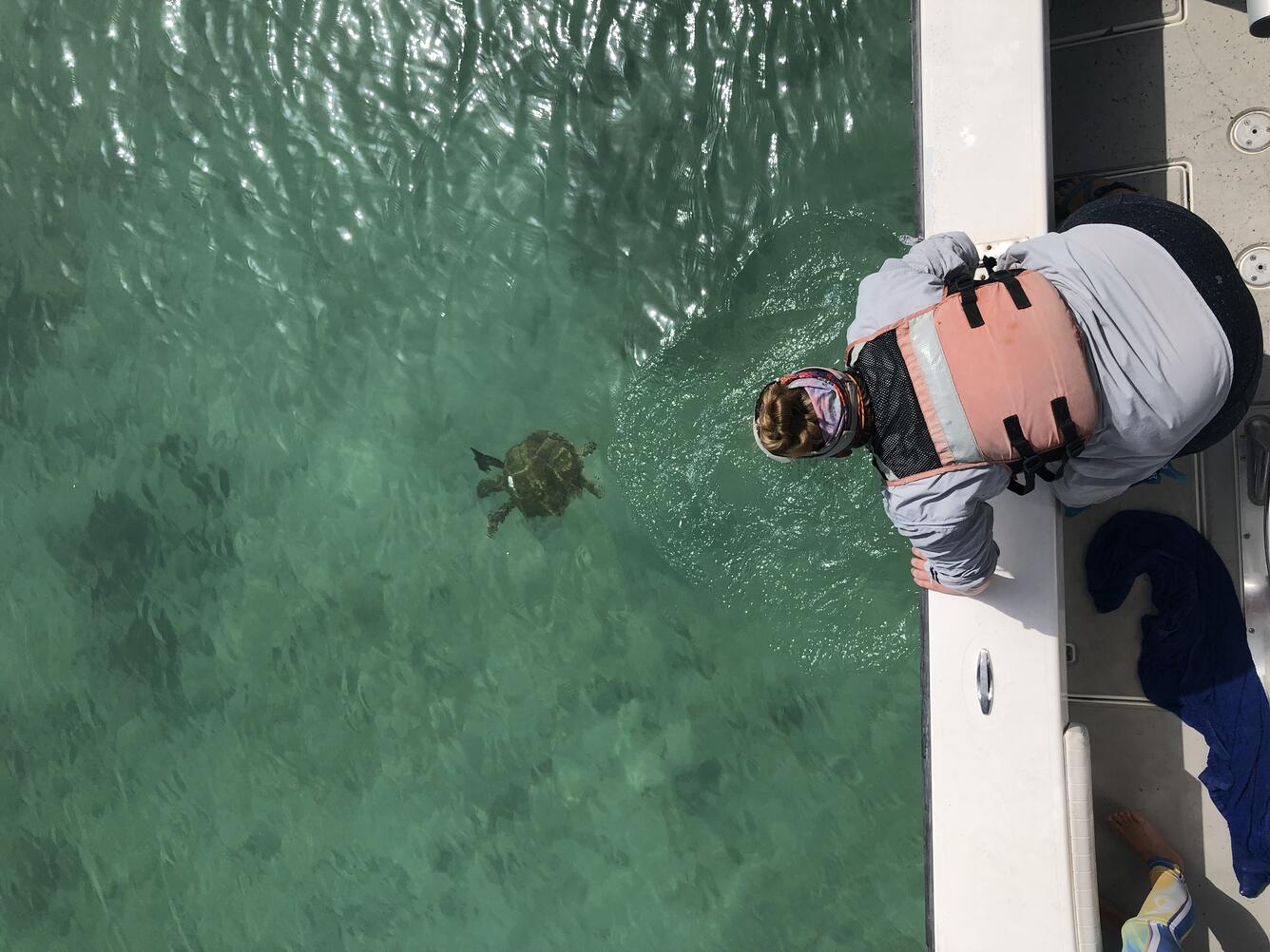
One of the most charismatic of all the marine megafauna, sea turtles are among the oldest living animals on our planet. There are seven sea turtle species worldwide, six of which can be found in the waters off the United States. With study sites in the Gulf, the Florida Keys, and along the Atlantic Coast, much of WARC’s sea turtle research in the southeast focuses on four species: greens, hawksbills, Kemp's ridleys, and loggerheads.
Sea turtle nesting season runs from April to November. After a female sea turtle has laid her eggs, the USGS scientists insert a tag, much like a microchip used in pets, into her left shoulder for future identification. They also collect biological samples and measurements like shell length and width, and a few turtles receive transmitters that track their movements via satellite. This information helps inform management of the sea turtle species and the habitats they rely on, as well as local communities’ decisions about beach driving, night lighting, construction permits, and road work – activities that can disrupt turtle nesting behaviors.
Informing Coral Restoration

Coral reefs are cornerstones to the nation’s economy, and support the biodiversity and the health of many commercially and recreationally important animals. They provide coastal protection from storms, flooding, and erosion; reef inhabitants like sponges are a source of new medicines that could be developed to help treat various diseases; and local economies benefit from ecotourism activities like snorkeling and diving that revolve around healthy coral reef ecosystems.
Corals have been heavily impacted by diseases and other stressors, including a coral-eating snail, known as Coralliophila galea, which is considered one of the top three immediate threats to the recovery of remnant populations of wild and restored corals in the Caribbean, making it a primary focus for remediation by managers. USGS is working with partners to develop and optimize molecular tools to detect the hard-to-spot predatory snail in the field. Using environmental DNA, which is genetic material left behind by organisms in the environment, scientists can monitor the fluctuating presence of cryptic coral predators without disturbing corals and the organisms nearby in the ecosystem. This tool intends to help coral restoration managers and partners to more effectively inform decisions on coral outplant site selection.
Not all corals are found in shallow waters; in fact, many species are found in mesophotic ("middle" and "light;" the part of the ocean that receives minimal sunlight) and deep-sea areas. Mesophotic and deep-sea communities are foundational to the oceanic food web, yet they are threatened by human activities and environmental disturbances. As part of an effort to inform and enhance the protection and management of coral communities in mesophotic and deep-sea areas in the Gulf impacted by the Deepwater Horizon oil spill, USGS and partners are developing and testing coral propagation techniques in labs to support large-scale future restoration efforts to ensure the Gulf continues to support the Gulf States' and national economy.

Exploring and Mapping Offshore Habitats
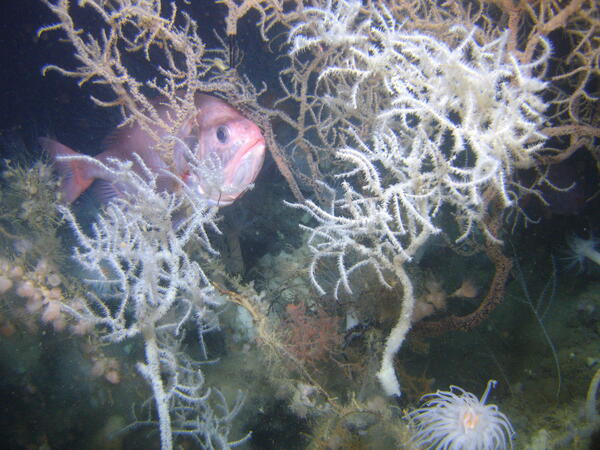
Most life in the ocean exists in surface waters above 200 meters depth where they have access to sunlight. However, even below 200 meters, where little to no sunlight reaches, temperatures drop, and pressure increases, abundant life exists. A diversity of organisms, including fishes, crustaceans, anemones, sea stars, microbes, and even corals make their home in the deep sea.
From the Atlantic to the Pacific and the Gulf in between, scientists from WARC and four other USGS science centers have implemented a multi-faceted offshore research program that weaves together expertise in a variety of disciplines to investigate deepwater ecosystems like trenches, seamounts, canyons, and coral reefs. This interdisciplinary approach relies on a network of partners from around the Nation and the world to examine microbiology, population genetics, paleoecology, food webs, taxonomy, community ecology, physical oceanography, seafloor characteristics, and submarine hazards in the little explored, yet vital, deep-sea ecosystems.
It truly takes an immense effort by scientists with varied expertise to explore the biodiversity that lives within the depths of our oceans. However, with more than eighty percent of our ocean still unobserved and unexplored, many of the ocean’s mysteries have yet to be revealed.
Assessing Threats to Coastal Waters

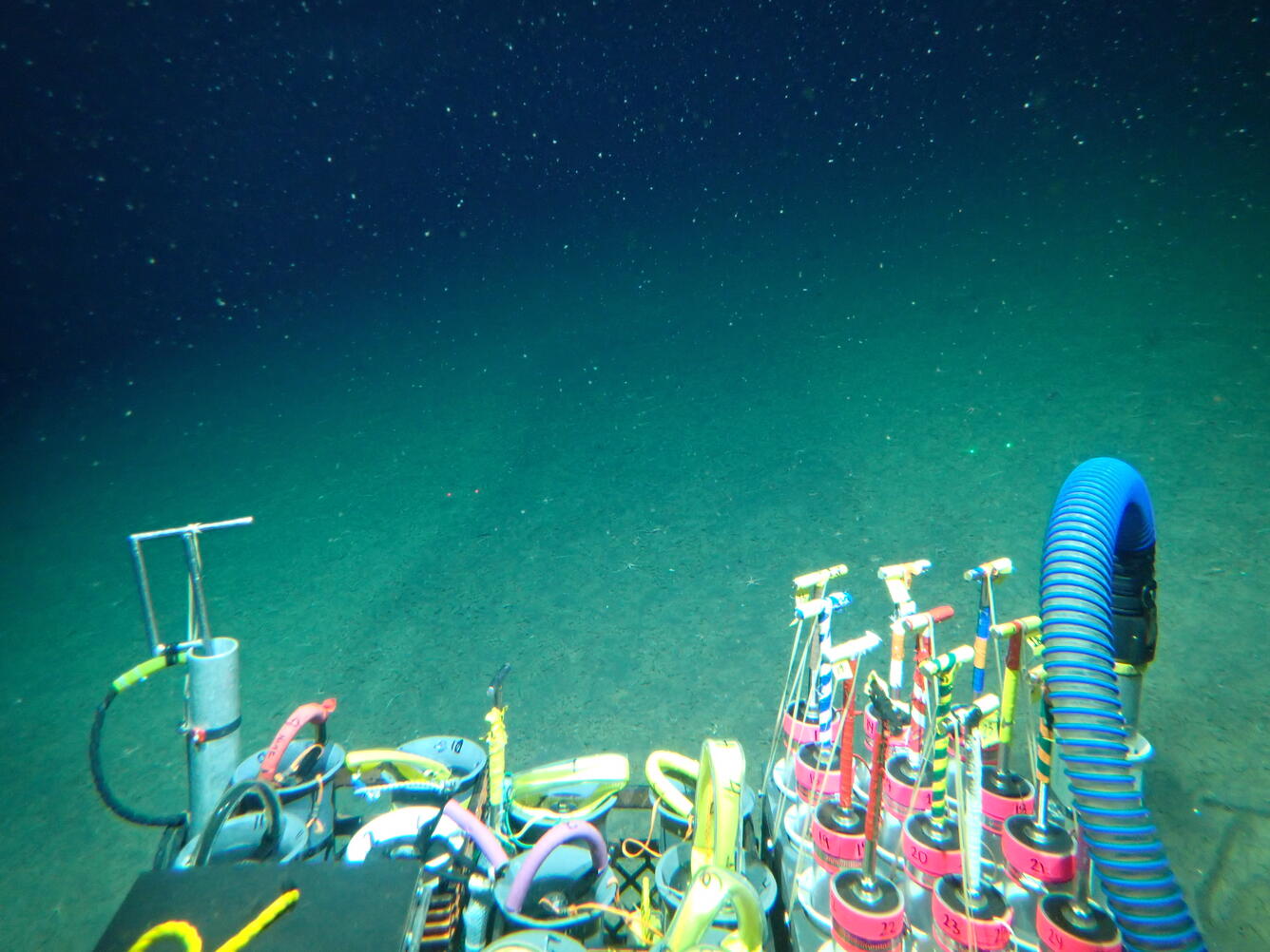
The northern Gulf's continental shelf has been home to one of the largest coastal hypoxic zones in the world since the 1970s. The low oxygen zone impacts recreationally and commercially important fisheries by diminishing their food resources and habitat, directly affecting the Gulf Region's economy. Habitat loss may lead to changes in marine food webs, energy allocation strategies of individual species, and greater vulnerability to fishing mortality. With warming conditions, understanding how temperature and oxygen interact to affect hypoxia tolerance for key species, such as brown shrimp, red drum, and red snapper, is important. USGS is developing a framework to assess how changing environmental conditions might impact key fisheries affected by hypoxia-related stress. This effort aims to provide managers the information they need to protect the ecological and economic value of the northern Gulf.

Algal blooms are another issue facing coastal waters in the northern Gulf. In Louisiana, the Bonnet Carré Spillway is frequently opened to relieve the flooding pressure that the Mississippi River puts on the levees in New Orleans. This introduces nutrient-rich waters from the River as well as from Lake Maurepas and the other local tributaries to the lake, which can trigger cyanobacteria Harmful Algal Blooms (CyanoHABs). However, the toxins they produce can harm wildlife and humans and decrease property values. As coastal and tidal waters in Louisiana undergo profound changes due to heavy rain events, warmer temperatures, and other environmental shifts, CyanoHAB impacts are likely to worsen, affecting flood control and ecosystem restoration activities associated with water resource development projects in the State and across the Nation. USGS is working with partners to assess current and past CyanoHABs to help detect and manage current and future harmful algal blooms in the northern Gulf's coastal and tidal waters.
Related

Integrating Remote Sensing and Numerical Modeling Technology to Detect and Manage Current and Future Harmful Algal Blooms in Louisiana’s Coastal and Tidal Waters

Vertical Control of Rod Surface Elevation Table (RSET) Benchmarks to Assess Implications of Sea-Level Rise within Texas Coastal Refuges

Mesophotic and Deep Benthic Communities: Coral Propagation Technique (CPT) Development Project

Coastal Wetland Vulnerability to Climate Change and Sea-Level Rise: Understanding Ecological Thresholds and Ecosystem Transformations

Beach Compaction and the Impacts of Tilling on Nesting Sea Turtles and Foraging Shorebirds

Trawling and Sea Turtle Capture Records: A Collaborative Effort between USGS and the U.S. Army Corps of Engineers

Distribution and Density of Sea Turtles in the Gulf: Gulf of America Marine Assessment Program for Protected Species (GoAMAPPS)

Fine-Scale Dive Profiles and Activity Patterns of Sea Turtles in the Gulf

Sea Turtle Movement and Habitat Use in the Northern Gulf

Understanding Avian Habitat Availability and Use After Barrier Island Restoration in Coastal Louisiana

Connectivity of Coral Ecosystems in the Northwestern Gulf

Seasonal Surveys of Shorebird and Coastal Waterbird Utilization of Dredged Material Islands in the Baptiste Collette Bayou, U.S. Army Corps of Engineers (USACE) New Orleans District, Louisiana
Related
Integrating Remote Sensing and Numerical Modeling Technology to Detect and Manage Current and Future Harmful Algal Blooms in Louisiana’s Coastal and Tidal Waters
Vertical Control of Rod Surface Elevation Table (RSET) Benchmarks to Assess Implications of Sea-Level Rise within Texas Coastal Refuges
Mesophotic and Deep Benthic Communities: Coral Propagation Technique (CPT) Development Project
Coastal Wetland Vulnerability to Climate Change and Sea-Level Rise: Understanding Ecological Thresholds and Ecosystem Transformations
Beach Compaction and the Impacts of Tilling on Nesting Sea Turtles and Foraging Shorebirds
Trawling and Sea Turtle Capture Records: A Collaborative Effort between USGS and the U.S. Army Corps of Engineers
Distribution and Density of Sea Turtles in the Gulf: Gulf of America Marine Assessment Program for Protected Species (GoAMAPPS)
Fine-Scale Dive Profiles and Activity Patterns of Sea Turtles in the Gulf
Sea Turtle Movement and Habitat Use in the Northern Gulf
Understanding Avian Habitat Availability and Use After Barrier Island Restoration in Coastal Louisiana
Connectivity of Coral Ecosystems in the Northwestern Gulf