U.S. flag

An official website of the United States government

Drylands

Drylands, characterized by water scarcity, comprise 83% of DOI-managed lands. Drylands are highly vulnerable to erosion by wind and water and are affected by land use (e.g., grazing) and disturbance (e.g., fire). The Ecosystems Land Change Science Program conducts research to understand the primary drivers of change in dryland soils and vegetation to inform management decisions.

Filter Total Items: 13

How Science Helps Manage Changing Water Availability and Quality: Droughts, Floods, Avalanches and More

Droughts, floods, and avalanches are extreme events in the water cycle that can have catastrophic and lasting impacts on ecosystems and society. In addition to these extreme events, human changes to the landscape (including land use changes) can have substantial impacts on freshwater resources as well. Science from the USGS Ecosystems Land Change Science Program helps managers and decision-makers...
How Science Helps Manage Changing Water Availability and Quality: Droughts, Floods, Avalanches and More

How Science Helps Manage Changing Water Availability and Quality: Droughts, Floods, Avalanches and More

Droughts, floods, and avalanches are extreme events in the water cycle that can have catastrophic and lasting impacts on ecosystems and society. In addition to these extreme events, human changes to the landscape (including land use changes) can have substantial impacts on freshwater resources as well. Science from the USGS Ecosystems Land Change Science Program helps managers and decision-makers...
Learn More

Research Enhancing Park Recreation and Tourism

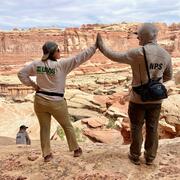
Scientists from the USGS Ecosystems Land Change Science Program work hand-in-hand with park managers to support abundant and enduring outdoor recreation and tourism opportunities in the Nation’s national parks.
Research Enhancing Park Recreation and Tourism

Research Enhancing Park Recreation and Tourism

Scientists from the USGS Ecosystems Land Change Science Program work hand-in-hand with park managers to support abundant and enduring outdoor recreation and tourism opportunities in the Nation’s national parks.
Learn More

SBSC: Providing Unbiased Actionable Science & Information to Support Natural Resource Management Needs of the U.S. & Department of the Interior Priorities

The U.S. Geological Survey Southwest Biological Science Center (SBSC) is uniquely positioned in the Colorado River Basin to provide sound information, specialized expertise, and innovative tools to support the management and sustained use of natural resources on public and Tribal lands in the Southwest U.S.
SBSC: Providing Unbiased Actionable Science & Information to Support Natural Resource Management Needs of the U.S. & Department of the Interior Priorities

SBSC: Providing Unbiased Actionable Science & Information to Support Natural Resource Management Needs of the U.S. & Department of the Interior Priorities

The U.S. Geological Survey Southwest Biological Science Center (SBSC) is uniquely positioned in the Colorado River Basin to provide sound information, specialized expertise, and innovative tools to support the management and sustained use of natural resources on public and Tribal lands in the Southwest U.S.
Learn More

WebDART: A Cutting-edge Web Tool that Evaluates Land Condition

WebDART is an online ecological assessment tool available to a wide audience that incorporates Landsat satellite remote sensing imagery, topography, geology, soil conditions, and rangeland geospatial and vegetation mapping to compare altered terrain with an unspoiled area that has similar characteristics in the same region. The tool gives resource managers, landowners, companies, and other...
WebDART: A Cutting-edge Web Tool that Evaluates Land Condition

WebDART: A Cutting-edge Web Tool that Evaluates Land Condition

WebDART is an online ecological assessment tool available to a wide audience that incorporates Landsat satellite remote sensing imagery, topography, geology, soil conditions, and rangeland geospatial and vegetation mapping to compare altered terrain with an unspoiled area that has similar characteristics in the same region. The tool gives resource managers, landowners, companies, and other...
Learn More

SBSC Science Supports Management of Invasive Species

Invasive species can harm ecosystems, increase wildfires, damage forests, and outcompete native species. The US Geological Survey's Southwest Biological Science Center conducts research that provides our federal and state partners, cooperators and land managers with the tools, data and strategies to enhance biosecurity management. Scroll through the information below to read about different SBSC...
SBSC Science Supports Management of Invasive Species

SBSC Science Supports Management of Invasive Species

Invasive species can harm ecosystems, increase wildfires, damage forests, and outcompete native species. The US Geological Survey's Southwest Biological Science Center conducts research that provides our federal and state partners, cooperators and land managers with the tools, data and strategies to enhance biosecurity management. Scroll through the information below to read about different SBSC...
Learn More

Impacts of changing climate and disturbance regimes on forest ecosystem resilience in the Southern Rocky Mountains

Climate-driven forest disturbances, particularly drought-induced tree mortality and large high-severity fires from increasingly warm and dry conditions, are altering forest ecosystems and the ecosystem services society depends on (e.g., water supplies) in the Southern Rockies and across the Western U.S. We will combine unique, long-term place-based ecological data, diverse methods (e.g., paleo...
Impacts of changing climate and disturbance regimes on forest ecosystem resilience in the Southern Rocky Mountains

Impacts of changing climate and disturbance regimes on forest ecosystem resilience in the Southern Rocky Mountains

Climate-driven forest disturbances, particularly drought-induced tree mortality and large high-severity fires from increasingly warm and dry conditions, are altering forest ecosystems and the ecosystem services society depends on (e.g., water supplies) in the Southern Rockies and across the Western U.S. We will combine unique, long-term place-based ecological data, diverse methods (e.g., paleo...
Learn More

Regional Assessment of Drought Impacts on Soils (RADIS)

Soils are the foundation of terrestrial ecosystems. They provide critical services including supplying a substrate and the nutrients necessary for plant growth, retaining moisture from precipitation, filtering contaminants from percolating waters, and acting as a sink of carbon. Healthy soils are key to sustaining both human and ecosystem health. However, global- and regional-scale disturbances...
Regional Assessment of Drought Impacts on Soils (RADIS)

Regional Assessment of Drought Impacts on Soils (RADIS)

Soils are the foundation of terrestrial ecosystems. They provide critical services including supplying a substrate and the nutrients necessary for plant growth, retaining moisture from precipitation, filtering contaminants from percolating waters, and acting as a sink of carbon. Healthy soils are key to sustaining both human and ecosystem health. However, global- and regional-scale disturbances...
Learn More

Understanding long-term drivers of vegetation change and stability in the Southern Rocky Mountains with paleoecological data and ecological models

Drought and fire are powerful disturbance agents that can trigger rapid and lasting changes in the forests of western North America. Over the last decade, increases in fire size and severity coincided with warming, drought, and earlier snowmelt, factors that projected climatic changes are likely to exacerbate. However, recent observations are brief relative to the lifespans of trees and include...
Understanding long-term drivers of vegetation change and stability in the Southern Rocky Mountains with paleoecological data and ecological models

Understanding long-term drivers of vegetation change and stability in the Southern Rocky Mountains with paleoecological data and ecological models

Drought and fire are powerful disturbance agents that can trigger rapid and lasting changes in the forests of western North America. Over the last decade, increases in fire size and severity coincided with warming, drought, and earlier snowmelt, factors that projected climatic changes are likely to exacerbate. However, recent observations are brief relative to the lifespans of trees and include...
Learn More

Quaternary Hydroclimate Records of Spring Ecosystems

Desert springs and wetlands are among the most biologically productive, diverse, and fragile ecosystems on Earth. They are home to thousands of rare, endemic, and endangered plants and animals and reflect the availability and health of emergent groundwater. Despite the ecological importance of these wetlands, our knowledge of how they might respond to future environmental conditions is limited...
Quaternary Hydroclimate Records of Spring Ecosystems

Quaternary Hydroclimate Records of Spring Ecosystems

Desert springs and wetlands are among the most biologically productive, diverse, and fragile ecosystems on Earth. They are home to thousands of rare, endemic, and endangered plants and animals and reflect the availability and health of emergent groundwater. Despite the ecological importance of these wetlands, our knowledge of how they might respond to future environmental conditions is limited...
Learn More

Effects of disturbance and drought on the forests and hydrology of the Southern Rocky Mountains

Climate-related forest disturbances, particularly drought-induced tree mortality and large, high-severity fires from increasingly warm and dry conditions, are altering forest ecosystems and the ecosystem services society depends on (e.g., water supplies). Our research combines long-term place-based ecological data, diverse methods (e.g., paleo, remote-sensing), and networking approaches to...
Effects of disturbance and drought on the forests and hydrology of the Southern Rocky Mountains

Effects of disturbance and drought on the forests and hydrology of the Southern Rocky Mountains

Climate-related forest disturbances, particularly drought-induced tree mortality and large, high-severity fires from increasingly warm and dry conditions, are altering forest ecosystems and the ecosystem services society depends on (e.g., water supplies). Our research combines long-term place-based ecological data, diverse methods (e.g., paleo, remote-sensing), and networking approaches to...
Learn More

Drylands are highly vulnerable to climate and land use changes: what ecosystem changes are in store?

Improper land use during drought has been a major driver of land degradation in drylands globally, especially in the western U.S. Increasing aridity in western U.S. drylands under future climates will exacerbate risks associated with drought and land use decisions. This project provides critical observational, experimental, and modelling evidence to support our DOI partners with decision processes...
Drylands are highly vulnerable to climate and land use changes: what ecosystem changes are in store?

Drylands are highly vulnerable to climate and land use changes: what ecosystem changes are in store?

Improper land use during drought has been a major driver of land degradation in drylands globally, especially in the western U.S. Increasing aridity in western U.S. drylands under future climates will exacerbate risks associated with drought and land use decisions. This project provides critical observational, experimental, and modelling evidence to support our DOI partners with decision processes...
Learn More

Paleohydrology of Desert Wetlands

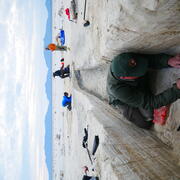
Springs and wetlands are among the most highly threatened ecosystems on Earth. Although geographically limited, they support more than 20% of all the threatened and endangered species in the United States. Scientists from the U.S. Geological Survey are examining the rock record to determine how springs and wetlands responded to abrupt climate change during prehistoric times and the recent geologic...
Paleohydrology of Desert Wetlands

Paleohydrology of Desert Wetlands

Springs and wetlands are among the most highly threatened ecosystems on Earth. Although geographically limited, they support more than 20% of all the threatened and endangered species in the United States. Scientists from the U.S. Geological Survey are examining the rock record to determine how springs and wetlands responded to abrupt climate change during prehistoric times and the recent geologic...
Learn More
Was this page helpful?