



Northeast Region Environmental Contaminants Capability Team
Biosolids Sampling for PFAS
Learn about the Northeast Region Environmental Contaminants Capability Team.
Background
PFAS is a group of emerging contaminants that includes perfluorooctanoic acid (PFOA), perfluorooctanesulfonic acid (PFOS), hexafluoropropylene oxide-dimer acid (more commonly known as GenX®), and many other compounds.
Since the 1940s, PFAS have been manufactured and used around the globe, including in the United States, in a variety of industries such as firefighting foam for flammable liquids. These chemicals are very persistent in the environment, and some PFAS are known to accumulate over time in the human body and in the food chain. Exposure to some PFAS has been linked to adverse human and ecosystem health effects.
PFAS-containing firefighting foams have been widely used at military installations, petroleum refineries, chemical manufacturing plants, civilian airports and fire-training facilities. PFAS are also found in a wide range of consumer products such as cookware, fast-food wrappers and containers, and stain and water repellents, and can lead to human exposure. PFAS are also widely used in a variety of industrial products such as paint, detergents, waxes, and metal plating solution. The most-studied PFAS chemicals are PFOA and PFOS. Studies have linked PFOS and PFOA to numerous health effects including reproductive, developmental, liver, endocrine, and immunological effects. Both chemicals have caused tumors in animals. PFOA, PFOS, perfluorononanoic acid (PFNA), and other PFAS have been found in a number of drinking water systems in the Northeast.
There are numerous large PFAS-contaminated groundwater plumes and impacted surface water bodies throughout the Northeast Region (NER). Water availability can be impacted by contamination. PFAS contamination in the NER has a high likelihood to impact drinking water and human health in these densely populated areas, where water supplies are already stressed.
The scope of PFAS contamination in the US is extensive. USGS development of field methods, assessment of water quality and ecosystem effects, and research findings on PFAS, including fate and transport processes and viable techniques for site remediation, will support federal, state, and local site managers, regulatory agencies, and private remediation firms.
Northeast Region Environmental Contaminants Capability Team
Team Leads
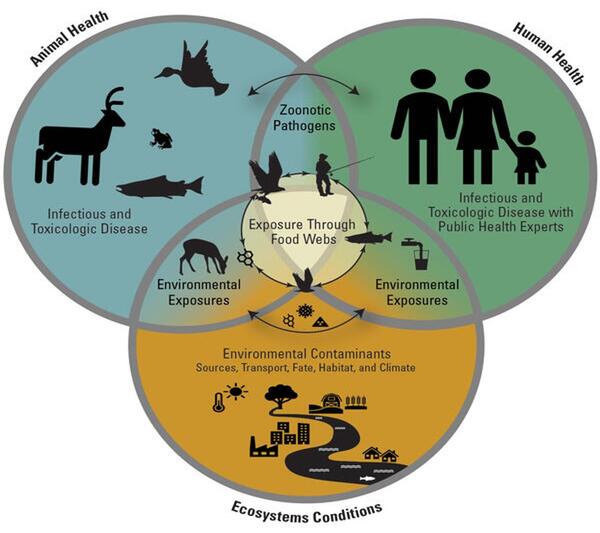
- Adam Mumford with the Maryland-Delaware-DC Water Science Center
- Heather Walsh with the Eastern Ecological Science Center
Team members
- About 126 members crossing mission areas, science centers, and disciplines
- Physical Scientists
- Research Hydrologists
- Research Fish Biologists
- Microbiologists
- Research Chemists
Major topics covered
- Analytical Methods
- Fate and Transport
- Toxicology
- Biotransformation
Team Overview
- Region-level coordination and enhancement of contaminant studies
- Enhance coordination among USGS Environmental Health Program ISTs, Water Science Centers, Core Technology Teams, and Mission Areas/Labs
- Place to exchange ideas across these programs
- Improve connections with scientists outside of the USGS
- Single point of contact for federal, state, and local site managers, regulatory agencies, and private remediation firms
- Enhance visibility of research activities to senior leadership
Research Topics
- Emerging Contaminants
- PFAS
- 6PPDQ
- Microplastics
- Legacy Contaminants
- PCB's, VOC's, and more
- Pesticides
- Wastewater
- Agricultural and industrial contaminants

Learn about the Northeast Region Environmental Contaminants Capability Team.
Background
PFAS is a group of emerging contaminants that includes perfluorooctanoic acid (PFOA), perfluorooctanesulfonic acid (PFOS), hexafluoropropylene oxide-dimer acid (more commonly known as GenX®), and many other compounds.
Since the 1940s, PFAS have been manufactured and used around the globe, including in the United States, in a variety of industries such as firefighting foam for flammable liquids. These chemicals are very persistent in the environment, and some PFAS are known to accumulate over time in the human body and in the food chain. Exposure to some PFAS has been linked to adverse human and ecosystem health effects.
PFAS-containing firefighting foams have been widely used at military installations, petroleum refineries, chemical manufacturing plants, civilian airports and fire-training facilities. PFAS are also found in a wide range of consumer products such as cookware, fast-food wrappers and containers, and stain and water repellents, and can lead to human exposure. PFAS are also widely used in a variety of industrial products such as paint, detergents, waxes, and metal plating solution. The most-studied PFAS chemicals are PFOA and PFOS. Studies have linked PFOS and PFOA to numerous health effects including reproductive, developmental, liver, endocrine, and immunological effects. Both chemicals have caused tumors in animals. PFOA, PFOS, perfluorononanoic acid (PFNA), and other PFAS have been found in a number of drinking water systems in the Northeast.
There are numerous large PFAS-contaminated groundwater plumes and impacted surface water bodies throughout the Northeast Region (NER). Water availability can be impacted by contamination. PFAS contamination in the NER has a high likelihood to impact drinking water and human health in these densely populated areas, where water supplies are already stressed.
The scope of PFAS contamination in the US is extensive. USGS development of field methods, assessment of water quality and ecosystem effects, and research findings on PFAS, including fate and transport processes and viable techniques for site remediation, will support federal, state, and local site managers, regulatory agencies, and private remediation firms.
Northeast Region Environmental Contaminants Capability Team
Team Leads
- Adam Mumford with the Maryland-Delaware-DC Water Science Center
- Heather Walsh with the Eastern Ecological Science Center
Team members
- About 126 members crossing mission areas, science centers, and disciplines
- Physical Scientists
- Research Hydrologists
- Research Fish Biologists
- Microbiologists
- Research Chemists
Major topics covered
- Analytical Methods
- Fate and Transport
- Toxicology
- Biotransformation
Team Overview
- Region-level coordination and enhancement of contaminant studies
- Enhance coordination among USGS Environmental Health Program ISTs, Water Science Centers, Core Technology Teams, and Mission Areas/Labs
- Place to exchange ideas across these programs
- Improve connections with scientists outside of the USGS
- Single point of contact for federal, state, and local site managers, regulatory agencies, and private remediation firms
- Enhance visibility of research activities to senior leadership
Research Topics
- Emerging Contaminants
- PFAS
- 6PPDQ
- Microplastics
- Legacy Contaminants
- PCB's, VOC's, and more
- Pesticides
- Wastewater
- Agricultural and industrial contaminants