



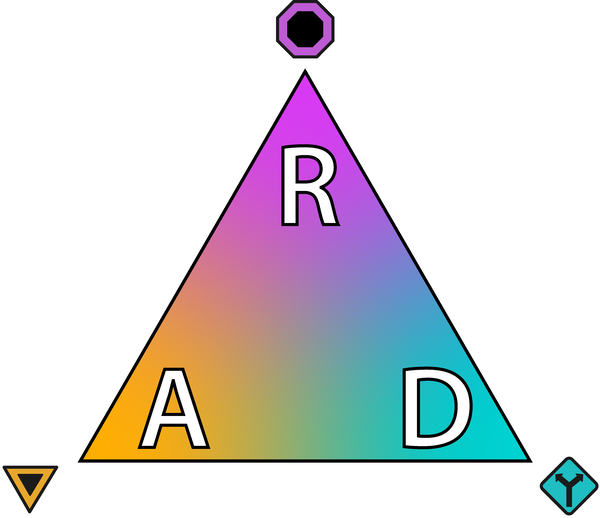
In this webinar, Mike Runge talks about the linkages between normative methods of decision analysis (i.e., structured decision making) and the RAD framework. First, what does SDM contribute to RAD?
Michael Runge, Ph.D.
Michael Runge is a research ecologist at the USGS Eastern Ecological Science Center in Kearneysville, WV.
Michael has worked at the Eastern Ecological Science Center since 1999.
Science and Products
Filter Total Items: 17
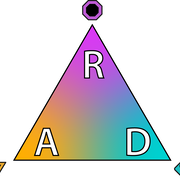
Incorporating the RAD (Resist-Accept-Direct) Framework into Resource Management Planning: Structured Decision Making & RAD
In this webinar, Mike Runge talks about the linkages between normative methods of decision analysis (i.e., structured decision making) and the RAD framework. It is part of the webinar series: " Incorporating the RAD (Resist-Accept-Direct) Framework into Resource Management Planning".
EESC Makes an Impact: Reducing Management Costs and Increasing Efficiency
Decision analysis is widely used in business applications to improve cost saving and increase efficiency under uncertainty. Scientists at the U.S. Geological Survey Eastern Ecological Science Center (EESC) include world-renowned experts who use data, mathematics, statistics, and computer science to help frame and solve decision problems to support U.S. national security, public health, wildlife...

Population Ecology of Florida Manatees
USGS is working with partners to understand how the federally protected Florida manatee ( Trichechus manatus latirostris) population changes over time and responds to threats.

Disease Decision Analysis and Research
The Disease Decision Analysis and Research group is a multi-disciplinary team based out of the Eastern Ecological Science Center whose strengths are in ecology, decision sciences and quantitative modeling.

COVID-19 Pathways and Wildlife Dynamics
Below are the USGS 2020 Coronavirus Aid, Relief and Economic Security Act (CARES Act) research projects related to COVID-19 pathways and wildlife dynamics. Select tabs above for related items.

Decision Science Support for SARS-CoV-2 Risk to North American Bats
The Eastern Ecological Science Center is working closely with federal, state, and tribal partners to help inform decisions that reduce the risk of SARS-CoV-2 transmission from humans to North American wildlife, including bats.

Decision science support for Chronic Wasting Disease
Eastern Ecological Science Center adds the decision analytical skill set to the existing body of USGS expertise on Chronic Wasting Disease (CWD), in support of our sister DOI agencies.

Is timing really everything? Evaluating Resource Response to Spring Disturbance Flows
Glen Canyon Dam has altered ecological processes of the Colorado River in Grand Canyon. Before the dam was built, the Colorado River experienced seasonable variable flow rates, including springtime flooding events. These spring floods scoured the river bottom and enhanced natural processes that sustained the Colorado River ecosystem. Since the dam’s construction in 1963, springtime floods have...

Markov decision processes in non-autonomous socio-ecological systems
Our ability to effectively manage natural resources is founded in an understanding of how our actions and the environment influence populations, communities, and ecosystems. Current practices use monitoring data from the past to determine key ecological relationships and make predictions about the future with the assumption that those relationships will remain constant. However, many...

Informing Management of Waterfowl Harvest in a Changing Climate
The ability to effectively manage wildlife in North America is founded in an understanding of how human actions and the environment influence wildlife populations. Current management practices are informed by population monitoring data from the past to determine key ecological relationships and make predictions about future population status. In most cases, including the regulation of...

Environmental Management of Vector-borne Diseases
Effective management programs for vector-borne pathogens, such as West Nile Virus and the Lyme disease spirochete, are necessary to protect public health. However, some vector control methods, such as landscape manipulations and pesticide applications, can also adversely affect nontarget species and environmentally sensitive natural systems. Efficient targeting and integration of vector control...

Structured Decision Making
The biggest natural resource management challenges include competing views of the value and uses of those resources in society. Patuxent scientists develop methods to manage resources given those competing views under a “structured decision making” (SDM) framework. Our scientists both practice and train others in key SDM skills, such as model development and monitoring design.
Structured Decision Making and RAD
In this webinar, Mike Runge talks about the linkages between normative methods of decision analysis (i.e., structured decision making) and the RAD framework. First, what does SDM contribute to RAD?
Science and Products
Filter Total Items: 17
Incorporating the RAD (Resist-Accept-Direct) Framework into Resource Management Planning: Structured Decision Making & RAD
In this webinar, Mike Runge talks about the linkages between normative methods of decision analysis (i.e., structured decision making) and the RAD framework. It is part of the webinar series: " Incorporating the RAD (Resist-Accept-Direct) Framework into Resource Management Planning".
EESC Makes an Impact: Reducing Management Costs and Increasing Efficiency
Decision analysis is widely used in business applications to improve cost saving and increase efficiency under uncertainty. Scientists at the U.S. Geological Survey Eastern Ecological Science Center (EESC) include world-renowned experts who use data, mathematics, statistics, and computer science to help frame and solve decision problems to support U.S. national security, public health, wildlife...
Population Ecology of Florida Manatees
USGS is working with partners to understand how the federally protected Florida manatee ( Trichechus manatus latirostris) population changes over time and responds to threats.
Disease Decision Analysis and Research
The Disease Decision Analysis and Research group is a multi-disciplinary team based out of the Eastern Ecological Science Center whose strengths are in ecology, decision sciences and quantitative modeling.
COVID-19 Pathways and Wildlife Dynamics
Below are the USGS 2020 Coronavirus Aid, Relief and Economic Security Act (CARES Act) research projects related to COVID-19 pathways and wildlife dynamics. Select tabs above for related items.
Decision Science Support for SARS-CoV-2 Risk to North American Bats
The Eastern Ecological Science Center is working closely with federal, state, and tribal partners to help inform decisions that reduce the risk of SARS-CoV-2 transmission from humans to North American wildlife, including bats.
Decision science support for Chronic Wasting Disease
Eastern Ecological Science Center adds the decision analytical skill set to the existing body of USGS expertise on Chronic Wasting Disease (CWD), in support of our sister DOI agencies.
Is timing really everything? Evaluating Resource Response to Spring Disturbance Flows
Glen Canyon Dam has altered ecological processes of the Colorado River in Grand Canyon. Before the dam was built, the Colorado River experienced seasonable variable flow rates, including springtime flooding events. These spring floods scoured the river bottom and enhanced natural processes that sustained the Colorado River ecosystem. Since the dam’s construction in 1963, springtime floods have...
Markov decision processes in non-autonomous socio-ecological systems
Our ability to effectively manage natural resources is founded in an understanding of how our actions and the environment influence populations, communities, and ecosystems. Current practices use monitoring data from the past to determine key ecological relationships and make predictions about the future with the assumption that those relationships will remain constant. However, many...
Informing Management of Waterfowl Harvest in a Changing Climate
The ability to effectively manage wildlife in North America is founded in an understanding of how human actions and the environment influence wildlife populations. Current management practices are informed by population monitoring data from the past to determine key ecological relationships and make predictions about future population status. In most cases, including the regulation of...
Environmental Management of Vector-borne Diseases
Effective management programs for vector-borne pathogens, such as West Nile Virus and the Lyme disease spirochete, are necessary to protect public health. However, some vector control methods, such as landscape manipulations and pesticide applications, can also adversely affect nontarget species and environmentally sensitive natural systems. Efficient targeting and integration of vector control...
Structured Decision Making
The biggest natural resource management challenges include competing views of the value and uses of those resources in society. Patuxent scientists develop methods to manage resources given those competing views under a “structured decision making” (SDM) framework. Our scientists both practice and train others in key SDM skills, such as model development and monitoring design.
Structured Decision Making and RAD
In this webinar, Mike Runge talks about the linkages between normative methods of decision analysis (i.e., structured decision making) and the RAD framework. First, what does SDM contribute to RAD?
In this webinar, Mike Runge talks about the linkages between normative methods of decision analysis (i.e., structured decision making) and the RAD framework. First, what does SDM contribute to RAD?