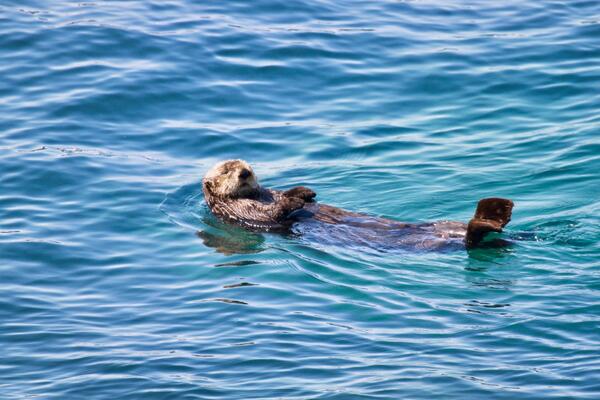
A male Northern Sea Otter sleeps on his back after foraging for clams at Katmai National Park and Preserve.
Images
See our science through the images below.
A male Northern Sea Otter sleeps on his back after foraging for clams at Katmai National Park and Preserve.
Scientists observing foraging sea otters through telescopes
Scientists observing foraging sea otters through telescopesA pair of scientists observe sea otter foraging behavior at Katmai National Park and Preserve. Questar telescopes are used to assist with prey identification.
Scientists observing foraging sea otters through telescopes
Scientists observing foraging sea otters through telescopesA pair of scientists observe sea otter foraging behavior at Katmai National Park and Preserve. Questar telescopes are used to assist with prey identification.
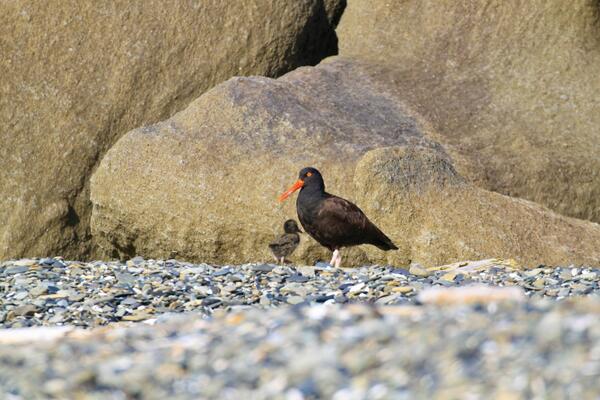
Black Oystercatcher and chick at Katmai National Park and Preserve
Black Oystercatcher and chick at Katmai National Park and PreserveA Black Oystercatcher watches over a few days-old chick at Katmai National Park and Preserve. These shorebirds are monitored on a yearly basis as part of the Gulf Watch Alaska (GWA) long-term monitoring program.
Black Oystercatcher and chick at Katmai National Park and Preserve
Black Oystercatcher and chick at Katmai National Park and PreserveA Black Oystercatcher watches over a few days-old chick at Katmai National Park and Preserve. These shorebirds are monitored on a yearly basis as part of the Gulf Watch Alaska (GWA) long-term monitoring program.
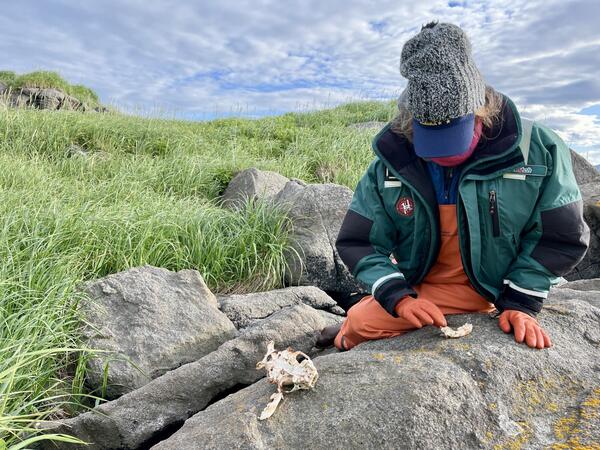
A scientist examines the teeth and skull of a sea otter
A scientist examines the teeth and skull of a sea otterA scientist examines the teeth from a sea otter skull found on a beach at Katmai Nation Park and Preserve. Teeth are collected in the field and each sea otter is aged using cementum annuli counts. Cementum annuli are the rings of collagen fibers in tooth roots.
A scientist examines the teeth and skull of a sea otter
A scientist examines the teeth and skull of a sea otterA scientist examines the teeth from a sea otter skull found on a beach at Katmai Nation Park and Preserve. Teeth are collected in the field and each sea otter is aged using cementum annuli counts. Cementum annuli are the rings of collagen fibers in tooth roots.
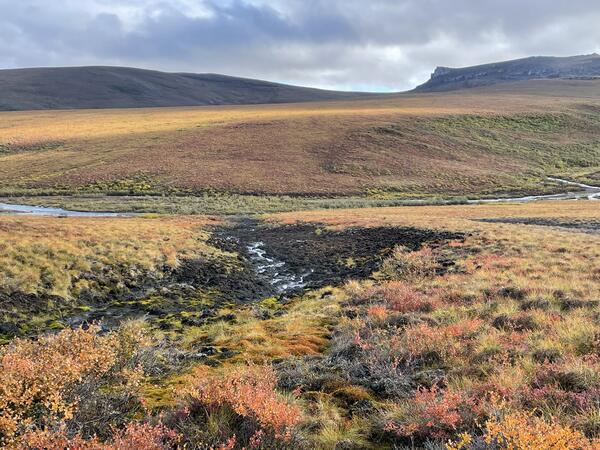
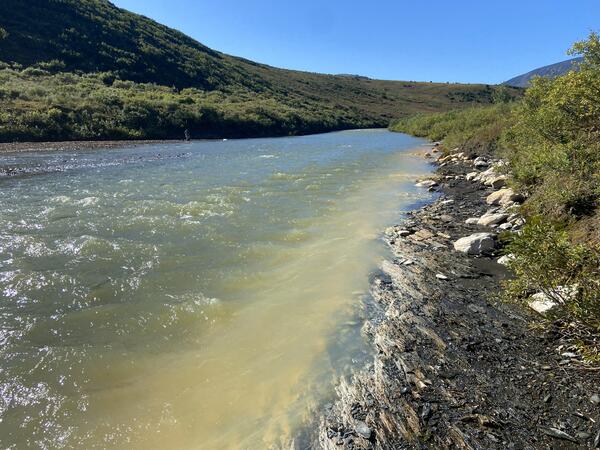
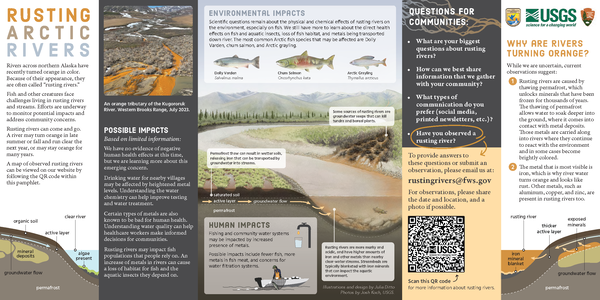
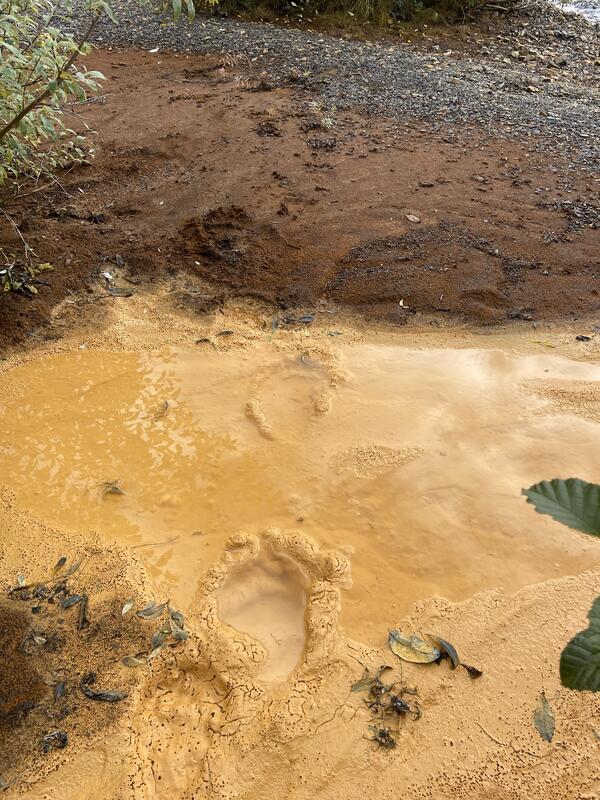
Rivers across northern Alaska have recently turned orange in color. Because of their appearance, they are often called “rusting rivers.”
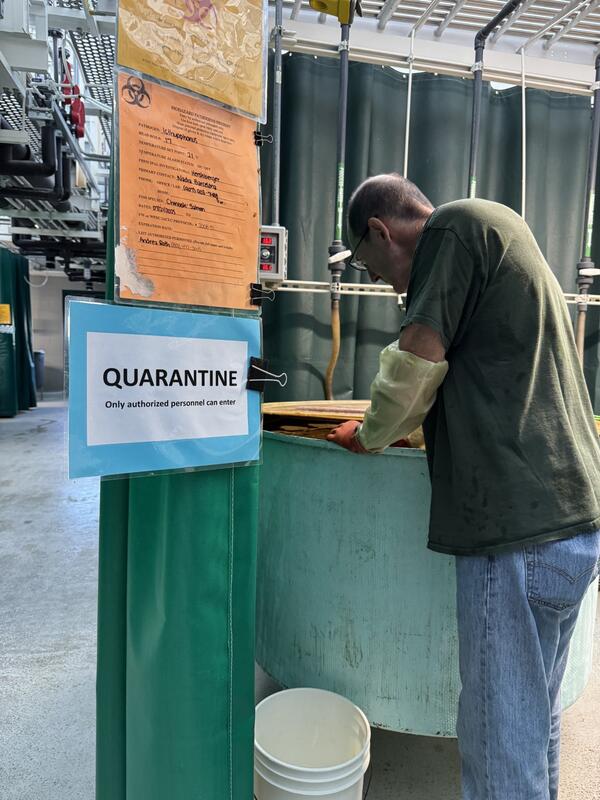
In this photo, Paul Hershberger is conducting research in the Seattle Western Fisheries Research Center wet laboratory. He is working to study diseases in fish.
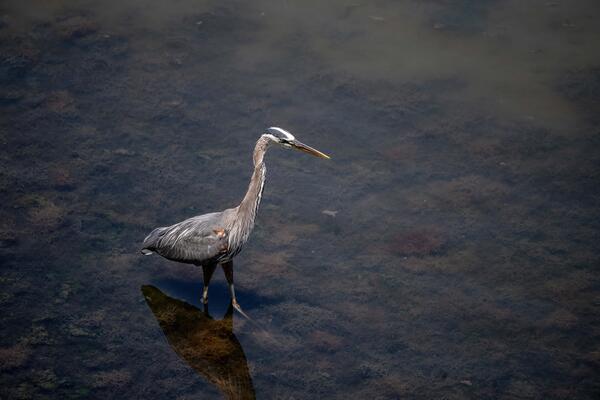
The great blue heron (Ardea herodias) is a large, wading bird known for its striking blue-gray plumage, long legs, and graceful demeanor, commonly found near water bodies across North America. This one was photographed in Ocean City, MD.
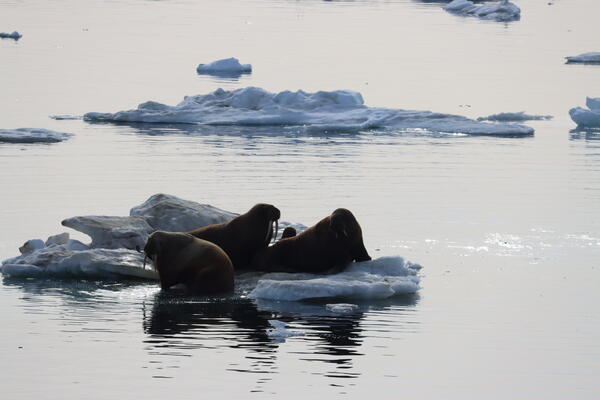
Pacific walruses hauled out on sea ice evaluating their surroundings
Pacific walruses hauled out on sea ice evaluating their surroundingsA small group of Pacific walruses consider entering the water as they assess their surroundings. A calf can be seen in the back of the group. USGS and the U.S.
Pacific walruses hauled out on sea ice evaluating their surroundings
Pacific walruses hauled out on sea ice evaluating their surroundingsA small group of Pacific walruses consider entering the water as they assess their surroundings. A calf can be seen in the back of the group. USGS and the U.S.
Black Oystercatcher (Haematopus bachmani) nests in the northern Gulf of Alaska are monitored annually to determine the nest status, productivity, chick diet, and egg float stages.
The Sea Duck colony at the Eastern Ecological Science Center in Laurel, MD, is the only facility of its kind in the United States. Pictured are White-winged Scoters on the edge of their pond.
The Sea Duck colony at the Eastern Ecological Science Center in Laurel, MD, is the only facility of its kind in the United States. Pictured are two male and one female Common Eiders floating in their pond.
Ducklings born in the Sea Duck colony at the Eastern Ecological Science Center in Laurel, MD, are housed in a separate building. The ducklings receive round-the-clock care.
A female Ruby-throated Hummingbird buzzing among the bee balm stops to get some nectar. Shot in front of the Gabrielson Building at the Eastern Ecological Science Center in Laurel, MD.
Brian Richardson is the Assistant Center Director for the Eastern Ecological Science Center
Treated Wastewater from Soybean Processing Facility
Treated Wastewater from Soybean Processing FacilityEffluent from soybean processing facility following treatment, entering nearby surface water body. Photo taken by USGS, Sandra Leal.
Treated Wastewater from Soybean Processing Facility
Treated Wastewater from Soybean Processing FacilityEffluent from soybean processing facility following treatment, entering nearby surface water body. Photo taken by USGS, Sandra Leal.
Angler who was fishing in a western Montana river holding a brown trout they caught
Two anglers enjoying the World class fishing that western Montana rivers has to offer.
Scars on the skin of this bat's wing suggest white-nose syndrome infection over the previous winter.
The Yuma myotis bat, Myotis yumanensis, has a body length of only 1.5-1.9 inches and they weigh less than half an ounce.
Collecting fungal samples to test for Pseudogymnoascus destructans
Collecting fungal samples to test for Pseudogymnoascus destructansIndividual bats are tested for Pseudogymnoascus destructans, the fungus that causes white-nose syndrome, by wiping a sterile swab across the skin of a bat's outstretched wing and muzzle.
Collecting fungal samples to test for Pseudogymnoascus destructans
Collecting fungal samples to test for Pseudogymnoascus destructansIndividual bats are tested for Pseudogymnoascus destructans, the fungus that causes white-nose syndrome, by wiping a sterile swab across the skin of a bat's outstretched wing and muzzle.
Yuma myotis has a wide range throughout western North America, from the Southwestern regions of Canada into Mexico.