



Aerial image of Bahia de Guanica in Puerto Rico.
Images
Pacific Coastal and Marine Science Center images.
Filter Total Items: 1407
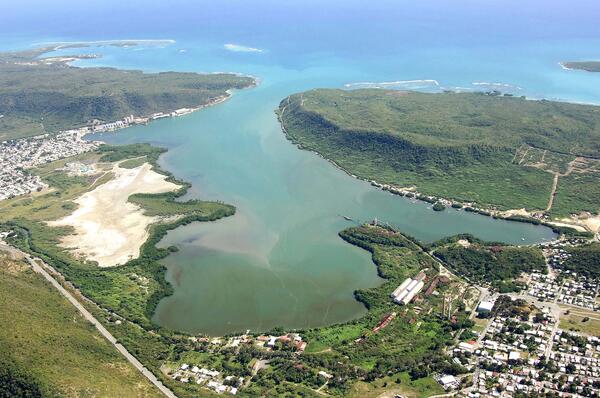
Aerial image of Bahia de Guanica in Puerto Rico
Aerial image of Bahia de Guanica in Puerto Rico.
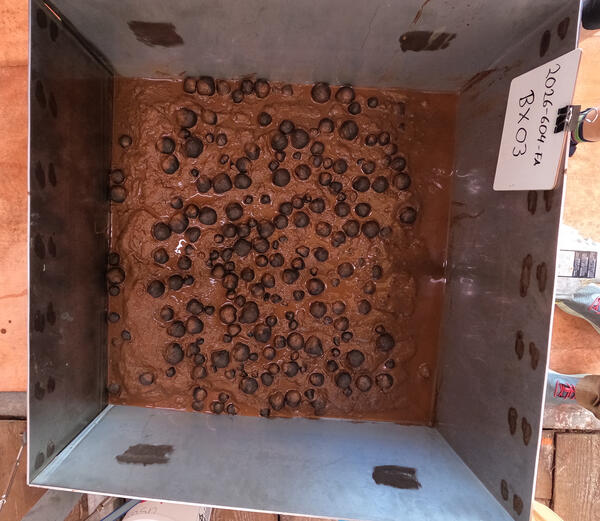
Box core sample containing polymetallic nodules from American Samoa, 2026
Box core sample containing polymetallic nodules from American Samoa, 2026Box core sample containing polymetallic nodules from American Samoa, 2026, from the American Samoa Mapping Project.
Box core sample containing polymetallic nodules from American Samoa, 2026
Box core sample containing polymetallic nodules from American Samoa, 2026Box core sample containing polymetallic nodules from American Samoa, 2026, from the American Samoa Mapping Project.
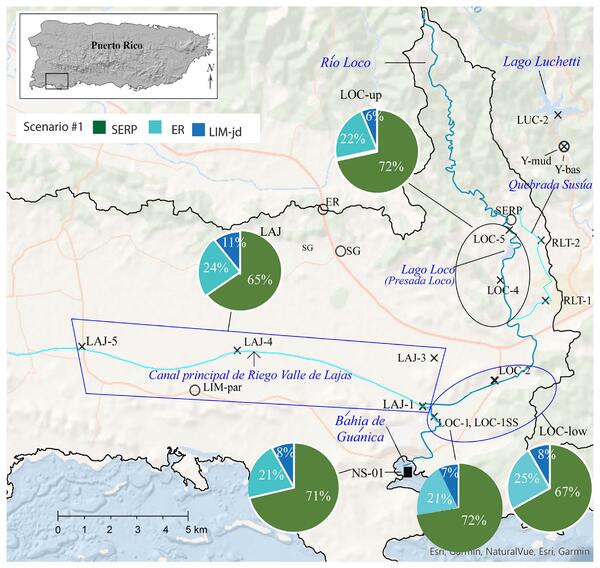
Map depicting Valle De Lajas and Río Loco drainage, Puerto Rico
Map depicting Valle De Lajas and Río Loco drainage, Puerto RicoMap depicting Valle De Lajas and Río Loco drainage, the westernmost zone of the study area. Pie charts summarizing Sr isotope mixing model results. River sediment sample locations are represented by an X, bedrock sampling locations by open circles. An infilled black rectangle shows Bahía de Guánica sediment sampling location (NS-01).
Map depicting Valle De Lajas and Río Loco drainage, Puerto Rico
Map depicting Valle De Lajas and Río Loco drainage, Puerto RicoMap depicting Valle De Lajas and Río Loco drainage, the westernmost zone of the study area. Pie charts summarizing Sr isotope mixing model results. River sediment sample locations are represented by an X, bedrock sampling locations by open circles. An infilled black rectangle shows Bahía de Guánica sediment sampling location (NS-01).
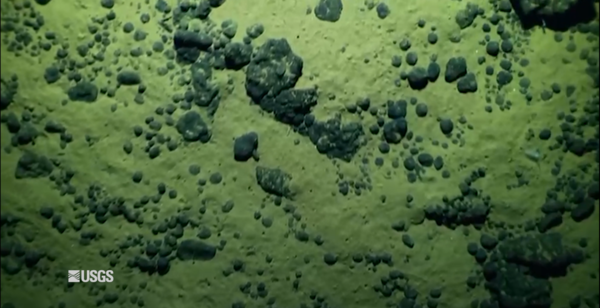
Polymetallic nodules on the seafloor offshore of American Samoa
Polymetallic nodules on the seafloor offshore of American SamoaPolymetallic nodules on the seafloor offshore of American Samoa. From the American Samoa Mapping Project
Polymetallic nodules on the seafloor offshore of American Samoa
Polymetallic nodules on the seafloor offshore of American SamoaPolymetallic nodules on the seafloor offshore of American Samoa. From the American Samoa Mapping Project
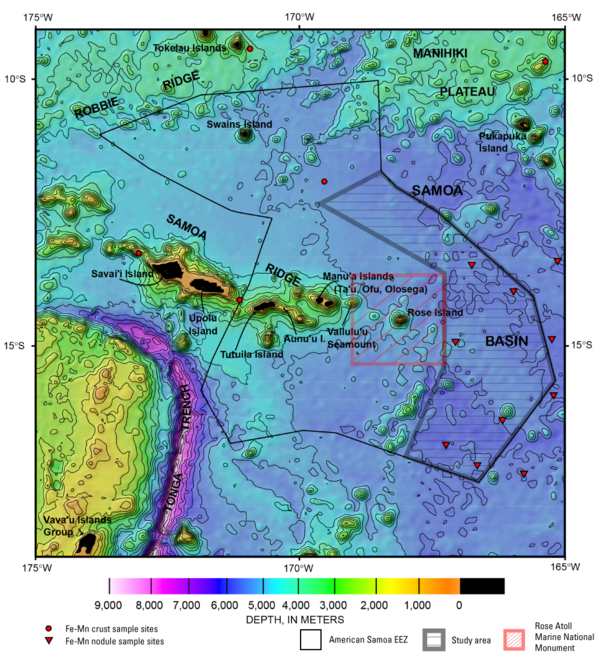
Map of American Samoa and study area
Map of American Samoa and study area of the American Samoa Mapping Project.
Map of American Samoa and study area of the American Samoa Mapping Project.
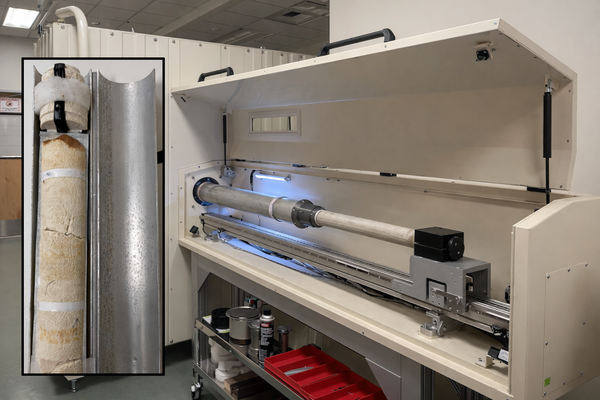
Rotating x-ray computed tomography scanner with coral core
Rotating x-ray computed tomography scanner with coral coreRotating x-ray computed tomography scanner with coral core. Inset photograph shows a coral core (Orbicella spp.) inside an aluminum sleeve together with coral density standards on the top used for calibration.
Rotating x-ray computed tomography scanner with coral core
Rotating x-ray computed tomography scanner with coral coreRotating x-ray computed tomography scanner with coral core. Inset photograph shows a coral core (Orbicella spp.) inside an aluminum sleeve together with coral density standards on the top used for calibration.
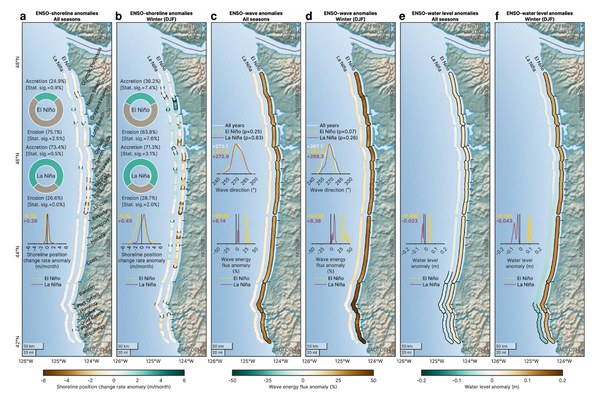
Seasonal teleconnections between ENSO and shoreline positions, waves, and water levels throughout the PNW
Seasonal teleconnections between ENSO and shoreline positions, waves, and water levels throughout the PNWSeasonal teleconnections between ENSO and shoreline positions, waves, and water levels throughout the PNW.
Seasonal teleconnections between ENSO and shoreline positions, waves, and water levels throughout the PNW
Seasonal teleconnections between ENSO and shoreline positions, waves, and water levels throughout the PNWSeasonal teleconnections between ENSO and shoreline positions, waves, and water levels throughout the PNW.
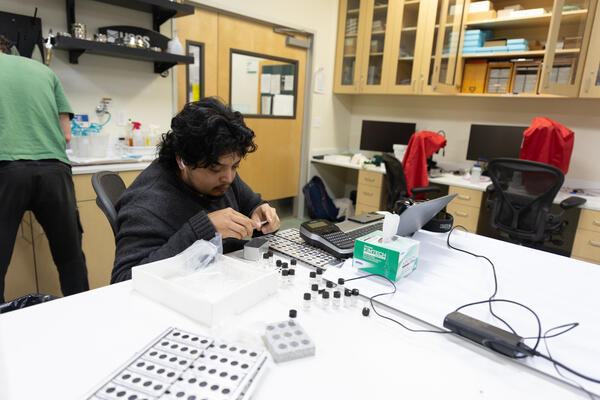
Scientists analyzing material extracted from sediment cores_2
Scientists analyzing material extracted from sediment cores_2USGS scientists collect core samples from estuaries, lakes, coasts, and marine environments to study a range of physical and chemical properties preserved in sediments over time. They process and analyze these core samples in the Pacific Coastal and Marine Science Center’s Core Labs.
Scientists analyzing material extracted from sediment cores_2
Scientists analyzing material extracted from sediment cores_2USGS scientists collect core samples from estuaries, lakes, coasts, and marine environments to study a range of physical and chemical properties preserved in sediments over time. They process and analyze these core samples in the Pacific Coastal and Marine Science Center’s Core Labs.
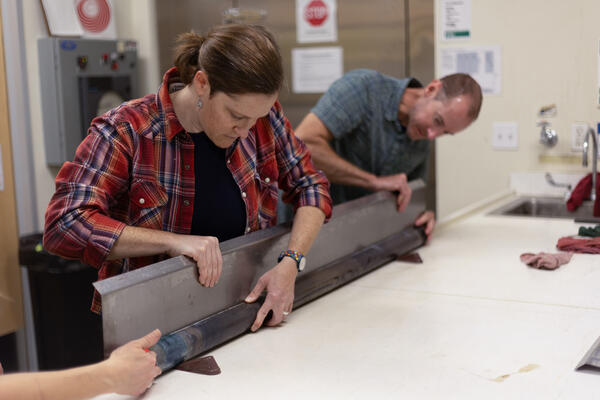
Scientists separating a sediment core split lengthwise
Scientists separating a sediment core split lengthwiseUSGS scientists collect core samples from estuaries, lakes, coasts, and marine environments to study a range of physical and chemical properties preserved in sediments over time. They process and analyze these core samples in the Pacific Coastal and Marine Science Center’s Core Labs.
Scientists separating a sediment core split lengthwise
Scientists separating a sediment core split lengthwiseUSGS scientists collect core samples from estuaries, lakes, coasts, and marine environments to study a range of physical and chemical properties preserved in sediments over time. They process and analyze these core samples in the Pacific Coastal and Marine Science Center’s Core Labs.
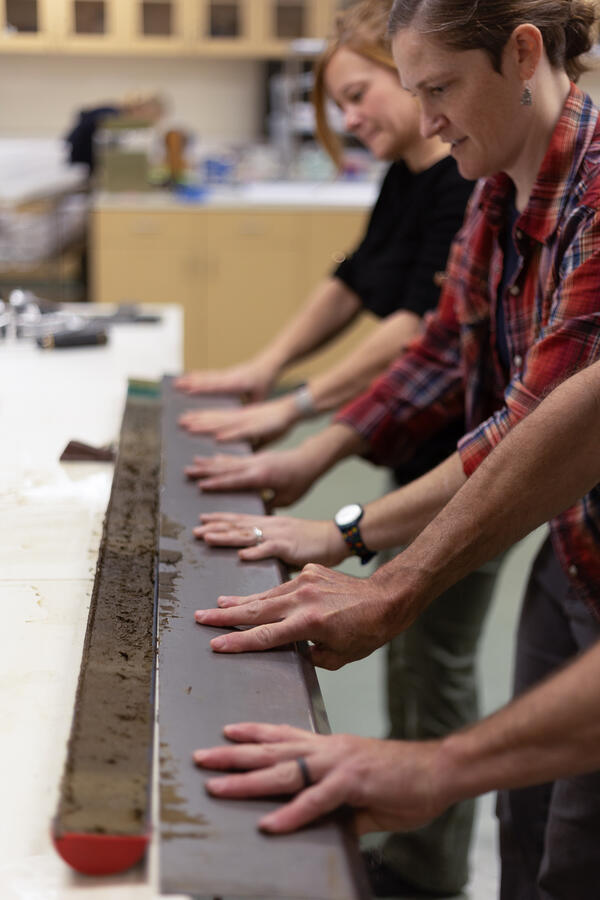
Scientists separating a sediment core split lengthwise_2
Scientists separating a sediment core split lengthwise_2USGS scientists collect core samples from estuaries, lakes, coasts, and marine environments to study a range of physical and chemical properties preserved in sediments over time. They process and analyze these core samples in the Pacific Coastal and Marine Science Center’s Core Labs.
Scientists separating a sediment core split lengthwise_2
Scientists separating a sediment core split lengthwise_2USGS scientists collect core samples from estuaries, lakes, coasts, and marine environments to study a range of physical and chemical properties preserved in sediments over time. They process and analyze these core samples in the Pacific Coastal and Marine Science Center’s Core Labs.
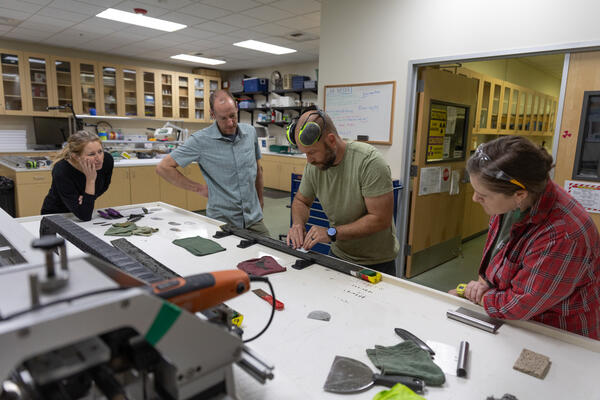
Scientists separating a sediment core split lengthwise_3
Scientists separating a sediment core split lengthwise_3USGS scientists collect core samples from estuaries, lakes, coasts, and marine environments to study a range of physical and chemical properties preserved in sediments over time. They process and analyze these core samples in the Pacific Coastal and Marine Science Center’s Core Labs.
Scientists separating a sediment core split lengthwise_3
Scientists separating a sediment core split lengthwise_3USGS scientists collect core samples from estuaries, lakes, coasts, and marine environments to study a range of physical and chemical properties preserved in sediments over time. They process and analyze these core samples in the Pacific Coastal and Marine Science Center’s Core Labs.
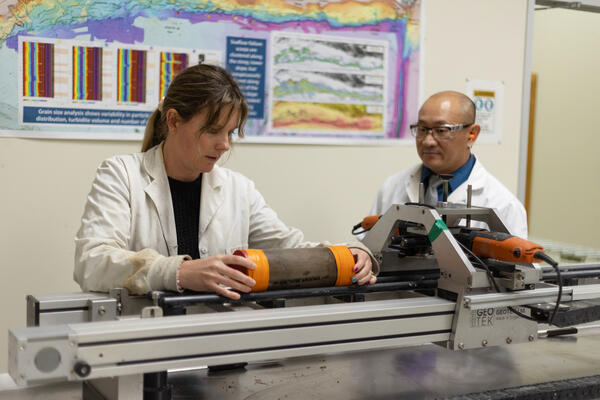
Scientists splitting a sediment core with the GeoTek core splitter_2
Scientists splitting a sediment core with the GeoTek core splitter_2USGS scientists collect core samples from estuaries, lakes, coasts, and marine environments to study a range of physical and chemical properties preserved in sediments over time. They process and analyze these core samples in the Pacific Coastal and Marine Science Center’s Core Labs.
Scientists splitting a sediment core with the GeoTek core splitter_2
Scientists splitting a sediment core with the GeoTek core splitter_2USGS scientists collect core samples from estuaries, lakes, coasts, and marine environments to study a range of physical and chemical properties preserved in sediments over time. They process and analyze these core samples in the Pacific Coastal and Marine Science Center’s Core Labs.
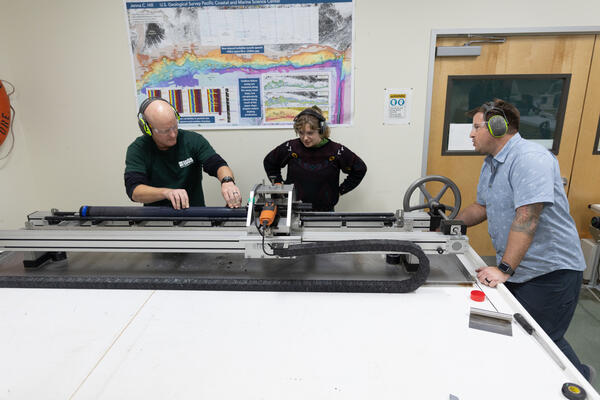
Scientists splitting a sediment core with the GeoTek core splitter_3
Scientists splitting a sediment core with the GeoTek core splitter_3USGS scientists collect core samples from estuaries, lakes, coasts, and marine environments to study a range of physical and chemical properties preserved in sediments over time. They process and analyze these core samples in the Pacific Coastal and Marine Science Center’s Core Labs.
Scientists splitting a sediment core with the GeoTek core splitter_3
Scientists splitting a sediment core with the GeoTek core splitter_3USGS scientists collect core samples from estuaries, lakes, coasts, and marine environments to study a range of physical and chemical properties preserved in sediments over time. They process and analyze these core samples in the Pacific Coastal and Marine Science Center’s Core Labs.
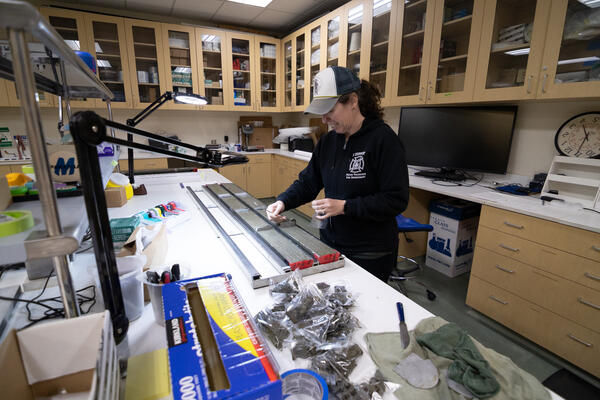
Scientists sub-sampling split sediment cores
USGS scientists collect core samples from estuaries, lakes, coasts, and marine environments to study a range of physical and chemical properties preserved in sediments over time. They process and analyze these core samples in the Pacific Coastal and Marine Science Center’s Core Labs.
USGS scientists collect core samples from estuaries, lakes, coasts, and marine environments to study a range of physical and chemical properties preserved in sediments over time. They process and analyze these core samples in the Pacific Coastal and Marine Science Center’s Core Labs.
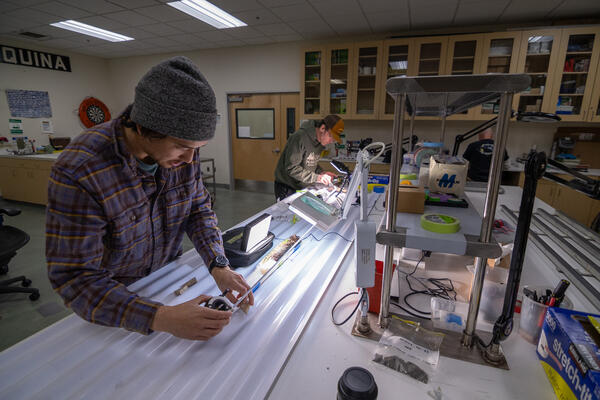
Scientists sub-sampling split sediment cores_3
USGS scientists collect core samples from estuaries, lakes, coasts, and marine environments to study a range of physical and chemical properties preserved in sediments over time. They process and analyze these core samples in the Pacific Coastal and Marine Science Center’s Core Labs.
USGS scientists collect core samples from estuaries, lakes, coasts, and marine environments to study a range of physical and chemical properties preserved in sediments over time. They process and analyze these core samples in the Pacific Coastal and Marine Science Center’s Core Labs.
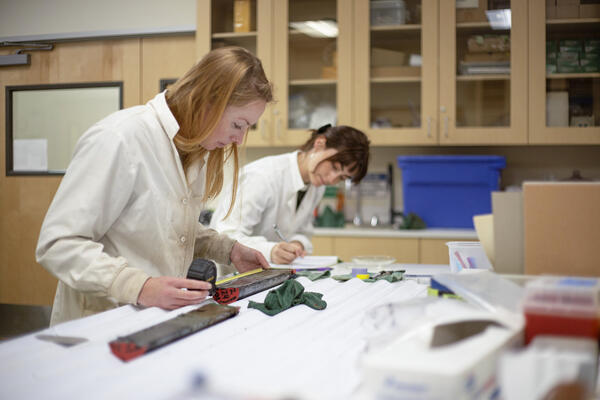
Scientists sub-sampling split sediment cores_2
USGS scientists collect core samples from estuaries, lakes, coasts, and marine environments to study a range of physical and chemical properties preserved in sediments over time. They process and analyze these core samples in the Pacific Coastal and Marine Science Center’s Core Labs.
USGS scientists collect core samples from estuaries, lakes, coasts, and marine environments to study a range of physical and chemical properties preserved in sediments over time. They process and analyze these core samples in the Pacific Coastal and Marine Science Center’s Core Labs.
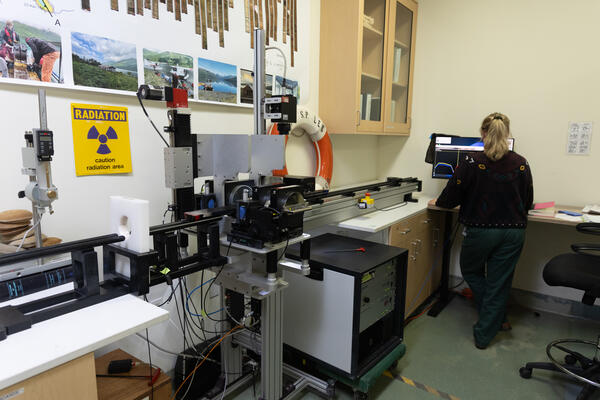
Scientist operating the multi-sensor core logger
USGS scientists collect core samples from estuaries, lakes, coasts, and marine environments to study a range of physical and chemical properties preserved in sediments over time. They process and analyze these core samples in the Pacific Coastal and Marine Science Center’s Core Labs.
USGS scientists collect core samples from estuaries, lakes, coasts, and marine environments to study a range of physical and chemical properties preserved in sediments over time. They process and analyze these core samples in the Pacific Coastal and Marine Science Center’s Core Labs.
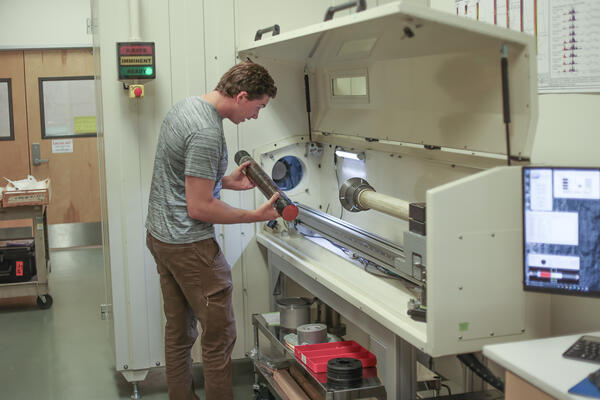
Scientist placing a sediment core in the rotating x-ray computed tomography system
Scientist placing a sediment core in the rotating x-ray computed tomography systemUSGS scientists collect core samples from estuaries, lakes, coasts, and marine environments to study a range of physical and chemical properties preserved in sediments over time. They process and analyze these core samples in the Pacific Coastal and Marine Science Center’s Core Labs.
Scientist placing a sediment core in the rotating x-ray computed tomography system
Scientist placing a sediment core in the rotating x-ray computed tomography systemUSGS scientists collect core samples from estuaries, lakes, coasts, and marine environments to study a range of physical and chemical properties preserved in sediments over time. They process and analyze these core samples in the Pacific Coastal and Marine Science Center’s Core Labs.
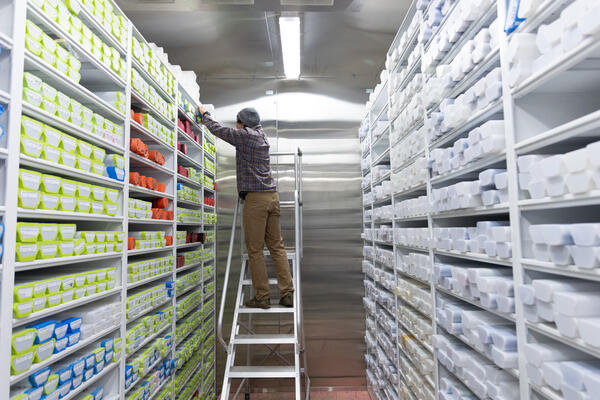
Scientist retrieving a sediment core from the refrigerated core repository
Scientist retrieving a sediment core from the refrigerated core repositoryUSGS scientists collect core samples from estuaries, lakes, coasts, and marine environments to study a range of physical and chemical properties preserved in sediments over time. They process and analyze these core samples in the Pacific Coastal and Marine Science Center’s Core Labs.
Scientist retrieving a sediment core from the refrigerated core repository
Scientist retrieving a sediment core from the refrigerated core repositoryUSGS scientists collect core samples from estuaries, lakes, coasts, and marine environments to study a range of physical and chemical properties preserved in sediments over time. They process and analyze these core samples in the Pacific Coastal and Marine Science Center’s Core Labs.
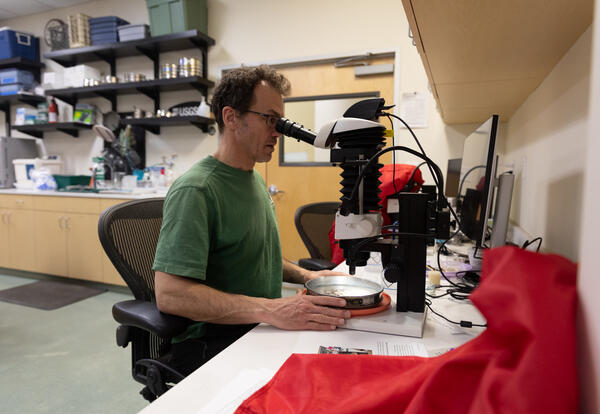
Scientists analyzing material extracted from sediment cores
Scientists analyzing material extracted from sediment coresUSGS scientists collect core samples from estuaries, lakes, coasts, and marine environments to study a range of physical and chemical properties preserved in sediments over time. They process and analyze these core samples in the Pacific Coastal and Marine Science Center’s Core Labs.
Scientists analyzing material extracted from sediment cores
Scientists analyzing material extracted from sediment coresUSGS scientists collect core samples from estuaries, lakes, coasts, and marine environments to study a range of physical and chemical properties preserved in sediments over time. They process and analyze these core samples in the Pacific Coastal and Marine Science Center’s Core Labs.
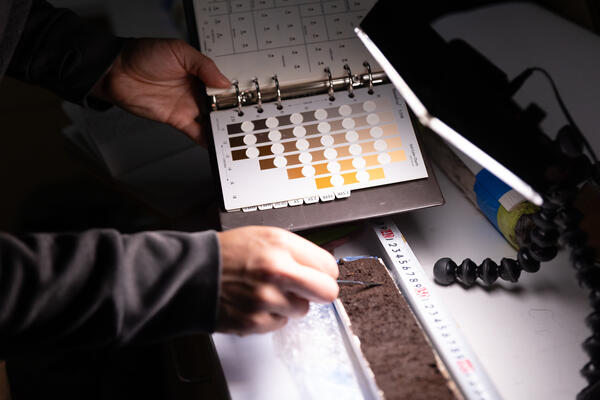
Scientists analyzing material extracted from sediment cores_3
Scientists analyzing material extracted from sediment cores_3USGS scientists collect core samples from estuaries, lakes, coasts, and marine environments to study a range of physical and chemical properties preserved in sediments over time. They process and analyze these core samples in the Pacific Coastal and Marine Science Center’s Core Labs.
Scientists analyzing material extracted from sediment cores_3
Scientists analyzing material extracted from sediment cores_3USGS scientists collect core samples from estuaries, lakes, coasts, and marine environments to study a range of physical and chemical properties preserved in sediments over time. They process and analyze these core samples in the Pacific Coastal and Marine Science Center’s Core Labs.