Shrubs and biocrusts in Canyonlands National Park, Utah
Shrubs and biocrusts in Canyonlands National Park, UtahShrubs and biocrust soils with a view of rock formations in the landscape of Canyonlands National Park, Utah.


Official websites use .gov
A .gov website belongs to an official government organization in the United States.

Secure .gov websites use HTTPS
A lock () or https:// means you’ve safely connected to the .gov website. Share sensitive information only on official, secure websites.

Below are images associated with SBSC's science and staff. Images appear according to the year they were taken. To search, type a keyword or select a year from the dropdown menu. Or, click through the pages using the arrows at the bottom of the page.
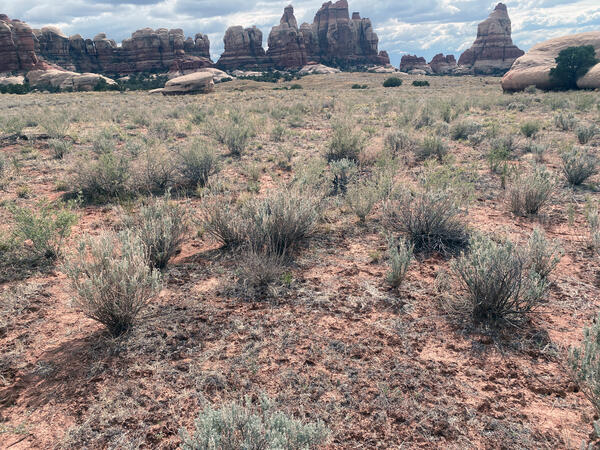
Shrubs and biocrust soils with a view of rock formations in the landscape of Canyonlands National Park, Utah.
Shrubs and biocrust soils with a view of rock formations in the landscape of Canyonlands National Park, Utah.
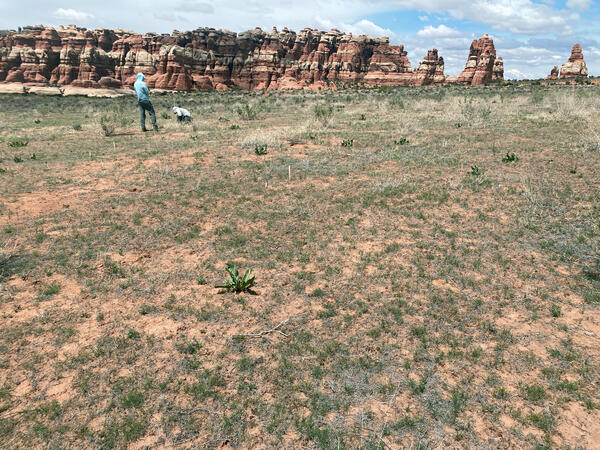
USGS researchers take measurements during vegetation drought monitoring at a long-term study site in Canyonlands National Park in May 2025.
USGS researchers take measurements during vegetation drought monitoring at a long-term study site in Canyonlands National Park in May 2025.
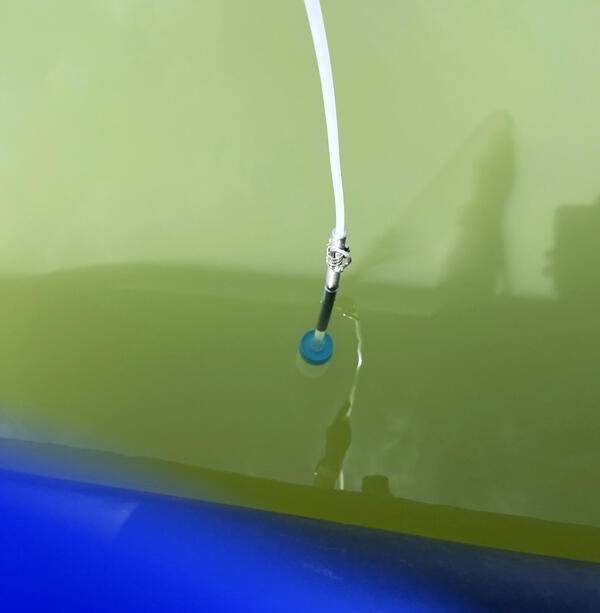
An eDNA sampling cup with an integrated filter is lowered from the boat into a reservoir to detect invasive aquatic species.
An eDNA sampling cup with an integrated filter is lowered from the boat into a reservoir to detect invasive aquatic species.
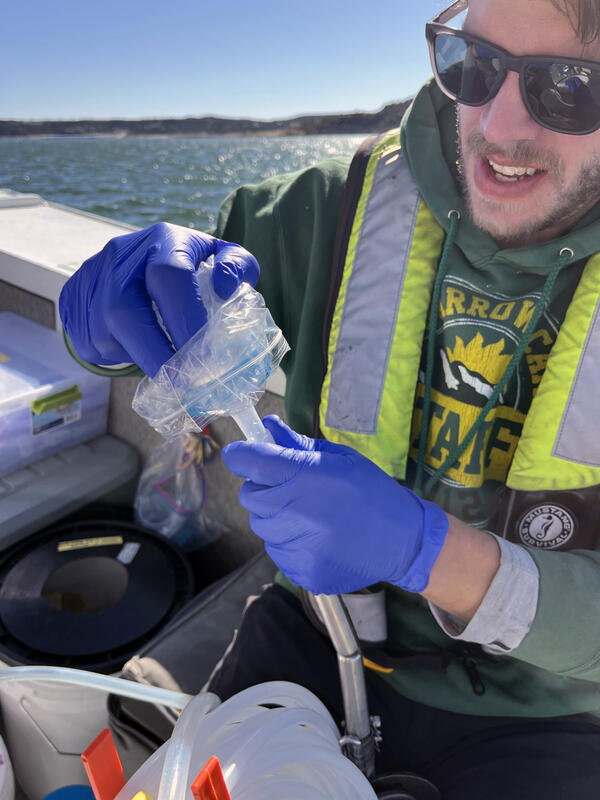
A Bureau of Reclamation civil engineer works with eDNA equipment during sampling at a reservoir. USGS Southwest Biological Science Center partners with the Bureau of Reclamation on eDNA detection of invasive aquatic species. Photo courtesy of Kim Dibble, USGS.
A Bureau of Reclamation civil engineer works with eDNA equipment during sampling at a reservoir. USGS Southwest Biological Science Center partners with the Bureau of Reclamation on eDNA detection of invasive aquatic species. Photo courtesy of Kim Dibble, USGS.
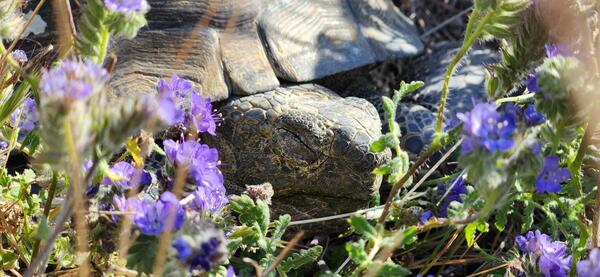
A federally listed Mojave desert tortoise (Gopherus agassizii) fondly named "Juice" sleeps in beautiful purple Phacelia flowers at a study site in Coachella Valley, CA. Photo by Sarah Birchard, USGS, Southwest Biological Science Center.
A federally listed Mojave desert tortoise (Gopherus agassizii) fondly named "Juice" sleeps in beautiful purple Phacelia flowers at a study site in Coachella Valley, CA. Photo by Sarah Birchard, USGS, Southwest Biological Science Center.
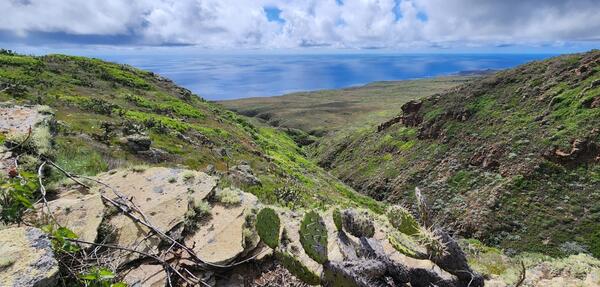
San Clemente Island, Channel Islands, CA. Photo by Sarah Birchard, USGS.
San Clemente Island, Channel Islands, CA. Photo by Sarah Birchard, USGS.
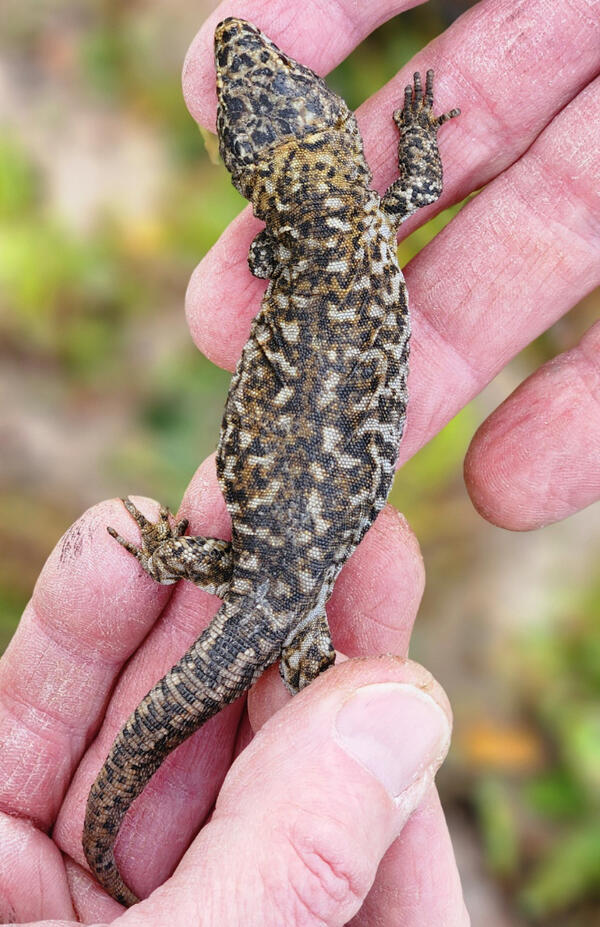
An Island Night Lizard, San Clemente Island, Channel Islands, CA. Photo by Sarah Birchard, USGS.
An Island Night Lizard, San Clemente Island, Channel Islands, CA. Photo by Sarah Birchard, USGS.
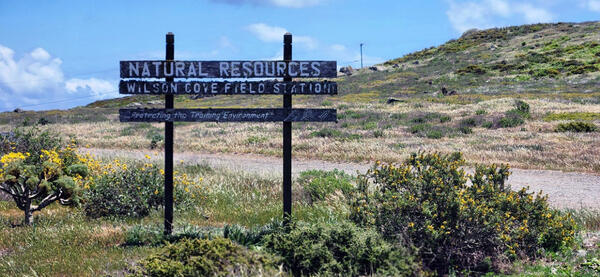
Natural resources sign at Wilson Cove Field Station on San Clemente Island, Channel Islands, CA. Photo by Sarah Birchard, USGS.
Natural resources sign at Wilson Cove Field Station on San Clemente Island, Channel Islands, CA. Photo by Sarah Birchard, USGS.
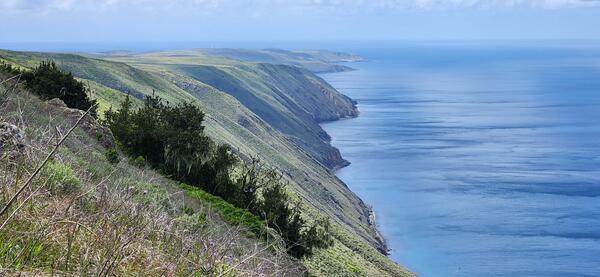
Trees growing on a slope above the ocean on San Clemente Island, California Channel Islands National Park. Photo by Sarah Birchard, USGS.
Trees growing on a slope above the ocean on San Clemente Island, California Channel Islands National Park. Photo by Sarah Birchard, USGS.
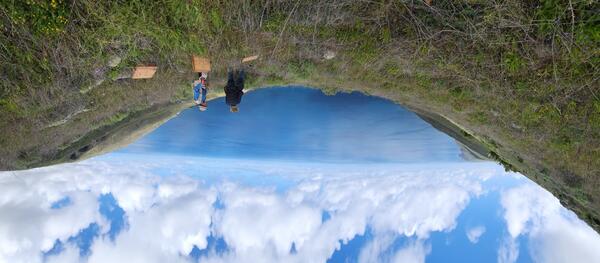
Researchers with plywood boards to increase rare endemic Island Night Lizard habitat, San Clemente Island, California Channel Islands, CA. Photo by Sarah Birchard, USGS.
Researchers with plywood boards to increase rare endemic Island Night Lizard habitat, San Clemente Island, California Channel Islands, CA. Photo by Sarah Birchard, USGS.
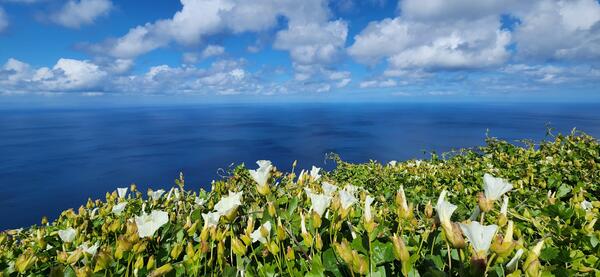
Island morning glory (Calystegia macrostegia) blooms on a hillside above the ocean on San Clemente Island, CA Channel Islands. Photo by Sarah Birchard, USGS.
Island morning glory (Calystegia macrostegia) blooms on a hillside above the ocean on San Clemente Island, CA Channel Islands. Photo by Sarah Birchard, USGS.
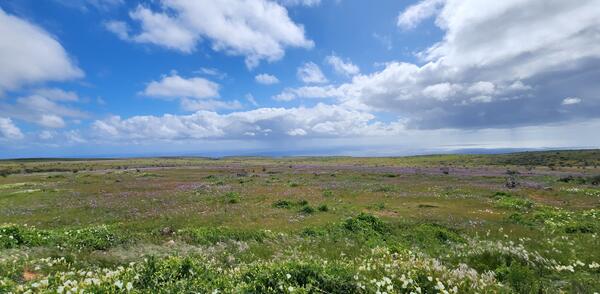
Grasses and native flowers on San Clemente Island, CA Channel Islands. Photo by Sarah Birchard, USGS.
Grasses and native flowers on San Clemente Island, CA Channel Islands. Photo by Sarah Birchard, USGS.
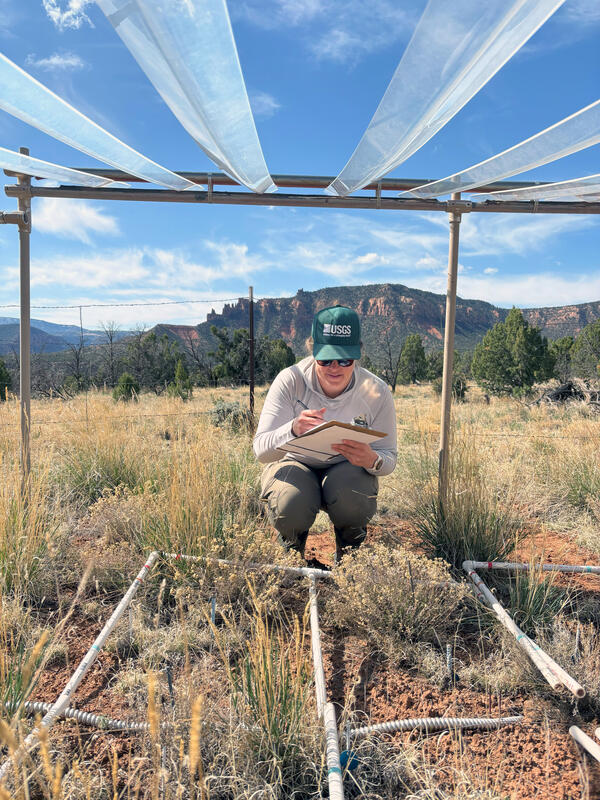
A USGS scientist collects plant data at a long-term grassland study site underneath a drought shelter that excludes ~30% of incoming precipitation as part of a study to understand drought impacts on Colorado Plateau rangelands. Photo taken April 2025. The shelter was installed in 2010.
A USGS scientist collects plant data at a long-term grassland study site underneath a drought shelter that excludes ~30% of incoming precipitation as part of a study to understand drought impacts on Colorado Plateau rangelands. Photo taken April 2025. The shelter was installed in 2010.
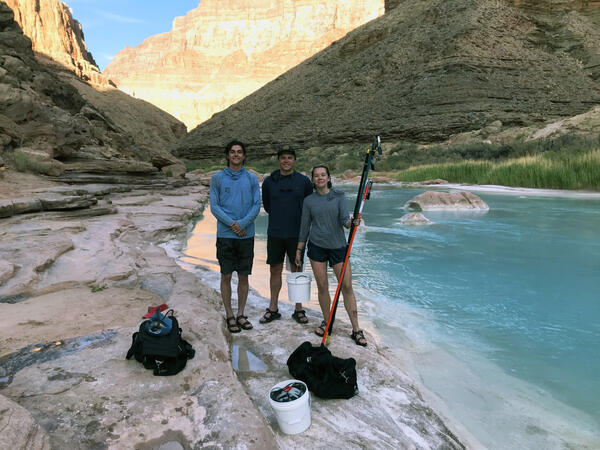
U.S. Forest Service personnel (center) and volunteers hold eDNA sampling equipment by the Little Colorado River, AZ. The U.S. Forest Service (USFS) researcher, Thomas Franklin, is the eDNA Program Leader at the USFS National Genomics Center for Wildlife and Fish Conservation and partners with the USGS on this research.
U.S. Forest Service personnel (center) and volunteers hold eDNA sampling equipment by the Little Colorado River, AZ. The U.S. Forest Service (USFS) researcher, Thomas Franklin, is the eDNA Program Leader at the USFS National Genomics Center for Wildlife and Fish Conservation and partners with the USGS on this research.
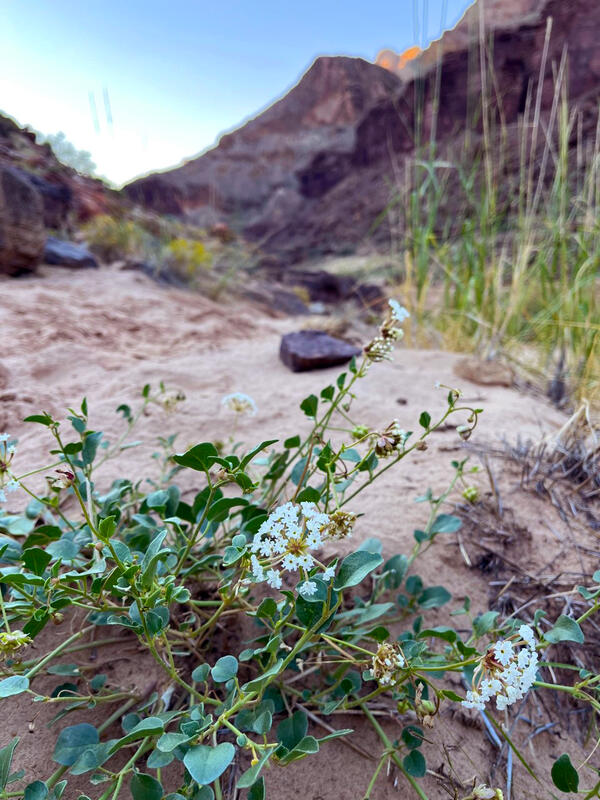
Flowering Abronia elliptica (Fragrant white sand verbena) in Grand Canyon near the Colorado River. Photo by Emily Palmquist, USGS.
Flowering Abronia elliptica (Fragrant white sand verbena) in Grand Canyon near the Colorado River. Photo by Emily Palmquist, USGS.
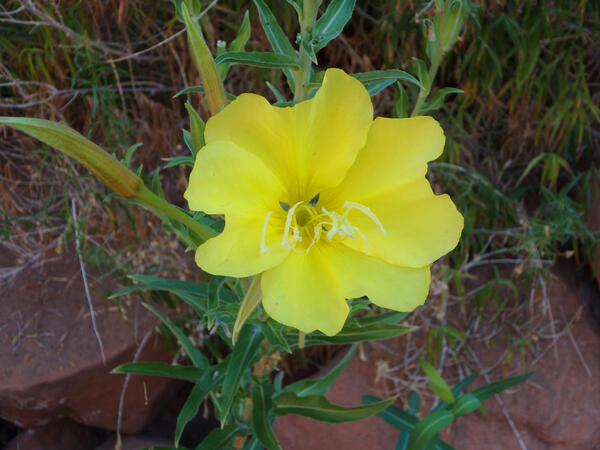
Oenothera elata ssp. hookeri, a type of evening primrose, is a native plant in AZ. This photo was taken in Grand Canyon near the Colorado River during routine vegetation monitoring by the USGS Grand Canyon Monitoring and Research Center.
Oenothera elata ssp. hookeri, a type of evening primrose, is a native plant in AZ. This photo was taken in Grand Canyon near the Colorado River during routine vegetation monitoring by the USGS Grand Canyon Monitoring and Research Center.
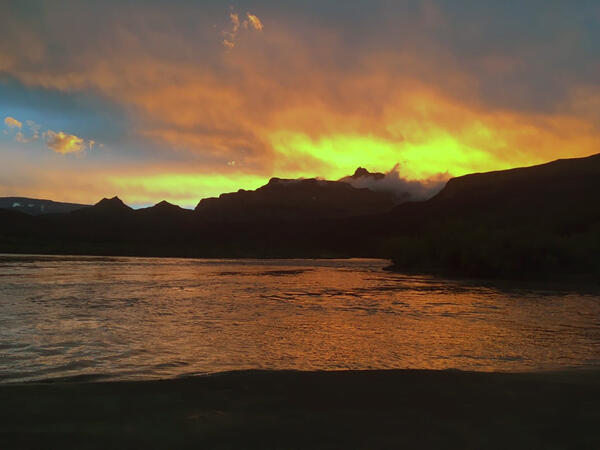
A bright sunset reflects orange light on the Colorado River in Grand Canyon, at Basalt Camp. Photo by Emily Palmquist, USGS.
A bright sunset reflects orange light on the Colorado River in Grand Canyon, at Basalt Camp. Photo by Emily Palmquist, USGS.
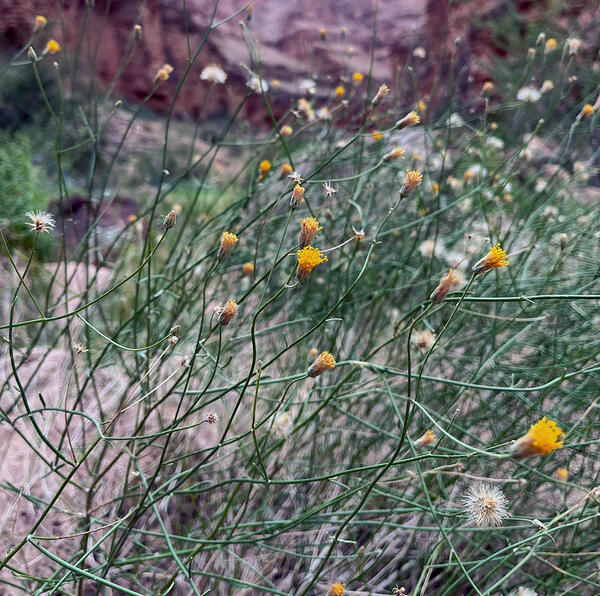
Bebbia juncea, a native plant growing in western Grand Canyon. Photo by Emily Palmquist, USGS.
Bebbia juncea, a native plant growing in western Grand Canyon. Photo by Emily Palmquist, USGS.
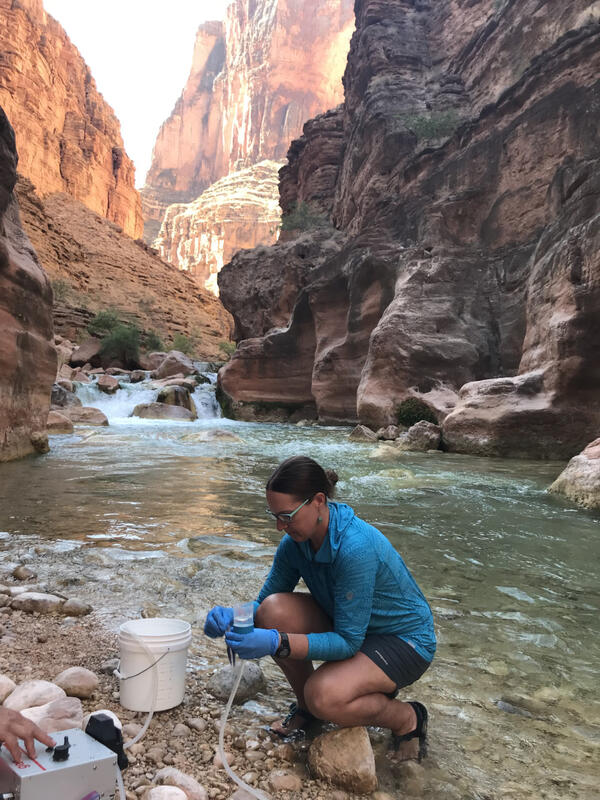
USGS scientist Kimberly Dibble works with environmental DNA (eDNA) equipment on the bank of a shallow section of Havasu Creek, Grand Canyon. The Southwest Biological Science Center is partnering with Bureau of Reclamation, U.S. Forest Service, U.S.
USGS scientist Kimberly Dibble works with environmental DNA (eDNA) equipment on the bank of a shallow section of Havasu Creek, Grand Canyon. The Southwest Biological Science Center is partnering with Bureau of Reclamation, U.S. Forest Service, U.S.
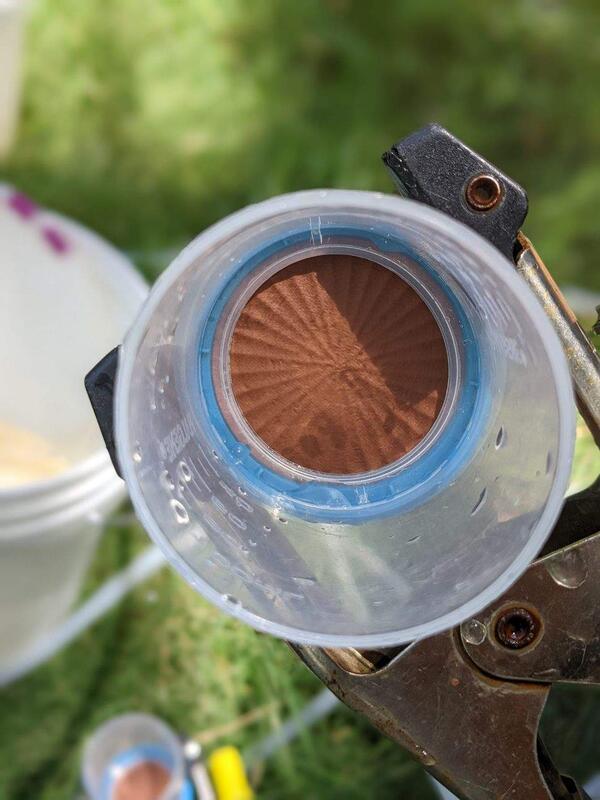
The inside of an eDNA filter cup showing the membrane that captures aquatic eDNA material. This one is red from high turbidity/river sediment.
The inside of an eDNA filter cup showing the membrane that captures aquatic eDNA material. This one is red from high turbidity/river sediment.

USGS Southwest Biological Science Center (SBSC) ecologist and botanist Laura Shriver (center) and colleagues at the Society for Range Management Conference. Laura gave a talk titled, "RestoreNet: a field trial network to improve restoration outcomes across environmental gradients".
USGS Southwest Biological Science Center (SBSC) ecologist and botanist Laura Shriver (center) and colleagues at the Society for Range Management Conference. Laura gave a talk titled, "RestoreNet: a field trial network to improve restoration outcomes across environmental gradients".