



An eDNA autosampler device with the lid open, showing the console and inner mechanisms.
Images
Below are images associated with SBSC's science and staff. Images appear according to the year they were taken. To search, type a keyword or select a year from the dropdown menu. Or, click through the pages using the arrows at the bottom of the page.
Filter Total Items: 711
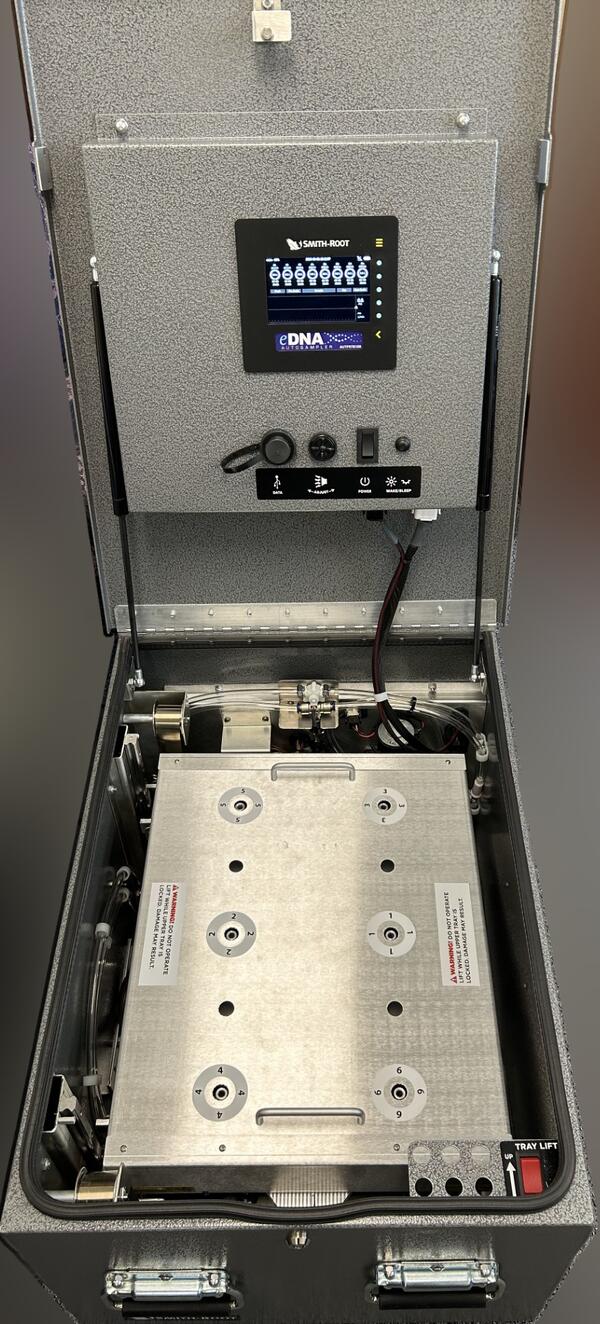
eDNA autosampler
An eDNA autosampler device with the lid open, showing the console and inner mechanisms.
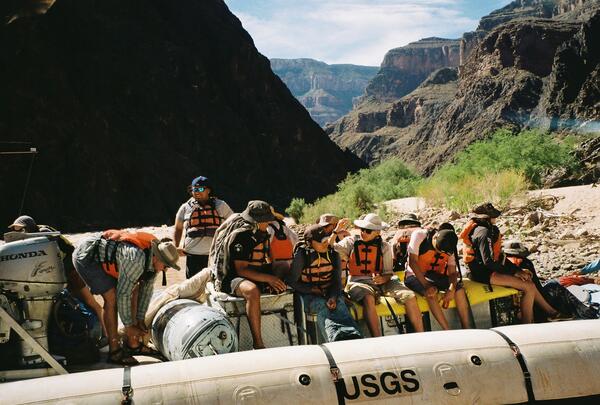
Ancestral Lands Conservation Corps Grand Canyon Youth participants in a USGS boat on the Colorado River
Ancestral Lands Conservation Corps Grand Canyon Youth participants in a USGS boat on the Colorado RiverAncestral Lands Conservation Corps Grand Canyon Youth participants in a USGS boat on the Colorado River, June 2024. Photo by Adriana Huizar, Ancestral Lands Conservation Corps.
Ancestral Lands Conservation Corps Grand Canyon Youth participants in a USGS boat on the Colorado River
Ancestral Lands Conservation Corps Grand Canyon Youth participants in a USGS boat on the Colorado RiverAncestral Lands Conservation Corps Grand Canyon Youth participants in a USGS boat on the Colorado River, June 2024. Photo by Adriana Huizar, Ancestral Lands Conservation Corps.

Ancestral Lands Conservation Corps crewmembers receive info about the NPS/USGS Dragonfly Mercury Project on a Colorado River trip
Ancestral Lands Conservation Corps crewmembers receive info about the NPS/USGS Dragonfly Mercury Project on a Colorado River tripAncestral Lands Conservation Corps and Science Conservation Corps crewmembers receive a briefing on the Dragonfly Mercury Project from NPS Ecologist Colleen Flanagan-Pritz and Research Ecologist Chris Kotalik while standing in the water to keep cool on a Colorado River trip, June 2024. Photo by Shannon Sartain, USGS, SBSC.
Ancestral Lands Conservation Corps crewmembers receive info about the NPS/USGS Dragonfly Mercury Project on a Colorado River trip
Ancestral Lands Conservation Corps crewmembers receive info about the NPS/USGS Dragonfly Mercury Project on a Colorado River tripAncestral Lands Conservation Corps and Science Conservation Corps crewmembers receive a briefing on the Dragonfly Mercury Project from NPS Ecologist Colleen Flanagan-Pritz and Research Ecologist Chris Kotalik while standing in the water to keep cool on a Colorado River trip, June 2024. Photo by Shannon Sartain, USGS, SBSC.

Ancestral Lands Conservation Corps crewmembers on a Colorado River trip
Ancestral Lands Conservation Corps crewmembers on a Colorado River tripAncestral Lands Conservation Corps / Science Conservation Corps / Grand Canyon Youth crewmembers on a Colorado River trip with National Park Service ecologist Colleen Flanagan-Pritz, who is explaining what they will be studying at Little Nankoweap Creek. Photo by Adriana Huizar, Ancestral Lands Conservation Corps.
Ancestral Lands Conservation Corps crewmembers on a Colorado River trip
Ancestral Lands Conservation Corps crewmembers on a Colorado River tripAncestral Lands Conservation Corps / Science Conservation Corps / Grand Canyon Youth crewmembers on a Colorado River trip with National Park Service ecologist Colleen Flanagan-Pritz, who is explaining what they will be studying at Little Nankoweap Creek. Photo by Adriana Huizar, Ancestral Lands Conservation Corps.

Ancestral Lands Conservation Corps Grand Canyon Youth on a Colorado River trip
Ancestral Lands Conservation Corps Grand Canyon Youth on a Colorado River tripAncestral Lands Conservation Corps / Science Conservation Corps youth on a Colorado River trip. Here they listen for instructions on gathering dragonfly larvae for a study with National Park Service (NPS) ecologist, before hiking up the Little Nankoweap Creek drainage. Photo by Adriana Huizar, Ancestral Lands Conservation Corps.
Ancestral Lands Conservation Corps Grand Canyon Youth on a Colorado River trip
Ancestral Lands Conservation Corps Grand Canyon Youth on a Colorado River tripAncestral Lands Conservation Corps / Science Conservation Corps youth on a Colorado River trip. Here they listen for instructions on gathering dragonfly larvae for a study with National Park Service (NPS) ecologist, before hiking up the Little Nankoweap Creek drainage. Photo by Adriana Huizar, Ancestral Lands Conservation Corps.
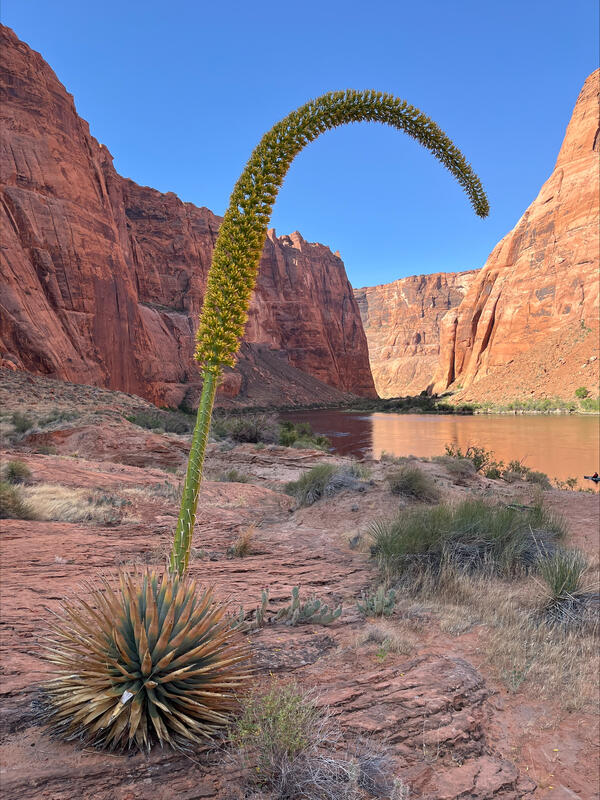
A flowering agave along the Colorado River in Glen Canyon, AZ
A flowering agave along the Colorado River in Glen Canyon, AZA flowering agave along the Colorado River in Glen Canyon, AZ. Photo by Joel Sankey, USGS.
A flowering agave along the Colorado River in Glen Canyon, AZ
A flowering agave along the Colorado River in Glen Canyon, AZA flowering agave along the Colorado River in Glen Canyon, AZ. Photo by Joel Sankey, USGS.
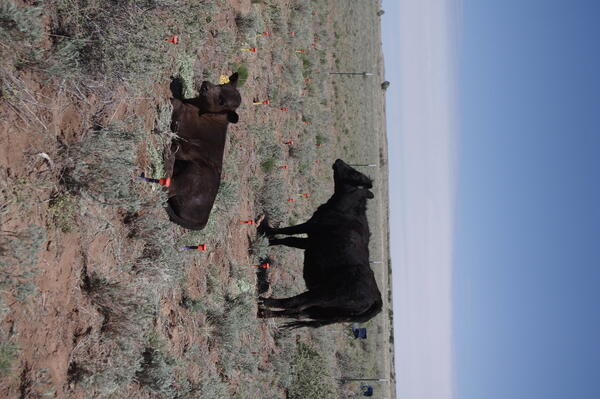
Two cows on the range at Bar T Bar Ranch, AZ
Two cows on the range in a grazing experiment study site at Bar T Bar Ranch, AZ. Photo by Laura Shriver, USGS, SBSC.
Two cows on the range in a grazing experiment study site at Bar T Bar Ranch, AZ. Photo by Laura Shriver, USGS, SBSC.

RAMPS employees and partners pose in front of a cattle grazing enclosure at a RestoreNet site
RAMPS employees and partners pose in front of a cattle grazing enclosure at a RestoreNet siteFrom left to right: RAMPS Ecologist Seth Munson, RAMPS Coordinator Laura Shriver, RAMPS Biologist Sarah Costanzo, NAU postdoctoral researcher Collin VanBuren, and Diablo Trust Program Manager Corinne LaViolette. Photo by Seth Munson (USGS).
RAMPS employees and partners pose in front of a cattle grazing enclosure at a RestoreNet site
RAMPS employees and partners pose in front of a cattle grazing enclosure at a RestoreNet siteFrom left to right: RAMPS Ecologist Seth Munson, RAMPS Coordinator Laura Shriver, RAMPS Biologist Sarah Costanzo, NAU postdoctoral researcher Collin VanBuren, and Diablo Trust Program Manager Corinne LaViolette. Photo by Seth Munson (USGS).

Cattle at a Northern Arizona RestoreNet experimental study site, Bar T Bar Ranch, AZ
Cattle at a Northern Arizona RestoreNet experimental study site, Bar T Bar Ranch, AZCattle inside a grazing enclosure at the Bar T Bar Ranch RestoreNet site in Northern Arizona.
Cattle at a Northern Arizona RestoreNet experimental study site, Bar T Bar Ranch, AZ
Cattle at a Northern Arizona RestoreNet experimental study site, Bar T Bar Ranch, AZCattle inside a grazing enclosure at the Bar T Bar Ranch RestoreNet site in Northern Arizona.

Newly installed RestoreNet treatments including pits + seedballs + live topsoil and live topsoil + direct seeding
Newly installed RestoreNet treatments including pits + seedballs + live topsoil and live topsoil + direct seedingNewly installed RestoreNet Version 2.0 treatment plots at Bar T Bar Ranch in Northern Arizona. Left: a plot that received pitting + seedballs + live topsoil inoculum (in the seedballs), Right: a plot that received live topsoil inoculum (spread across the plot) and direct seeding.
Newly installed RestoreNet treatments including pits + seedballs + live topsoil and live topsoil + direct seeding
Newly installed RestoreNet treatments including pits + seedballs + live topsoil and live topsoil + direct seedingNewly installed RestoreNet Version 2.0 treatment plots at Bar T Bar Ranch in Northern Arizona. Left: a plot that received pitting + seedballs + live topsoil inoculum (in the seedballs), Right: a plot that received live topsoil inoculum (spread across the plot) and direct seeding.
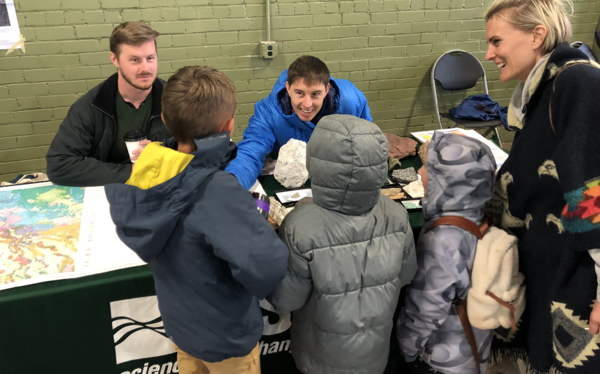
Geology, Minerals, Energy, Geophysics Science Center (GMEG) staff display geologic rocks and maps and talk to kids about geology at the 2024 STEM event
Geology, Minerals, Energy, Geophysics Science Center (GMEG) staff display geologic rocks and maps and talk to kids about geology at the 2024 STEM eventUSGS Geology, Minerals, Energy, Geophysics Science Center (GMEG) staff display rocks and maps and talk to kids about geology at the 2024 STEM event.
Geology, Minerals, Energy, Geophysics Science Center (GMEG) staff display geologic rocks and maps and talk to kids about geology at the 2024 STEM event
Geology, Minerals, Energy, Geophysics Science Center (GMEG) staff display geologic rocks and maps and talk to kids about geology at the 2024 STEM eventGeology, Minerals, Energy, Geophysics Science Center (GMEG) staff display geologic rocks and maps and talk to kids about geology at the 2024 STEM event
Geology, Minerals, Energy, Geophysics Science Center (GMEG) staff display geologic rocks and maps and talk to kids about geology at the 2024 STEM eventUSGS Geology, Minerals, Energy, Geophysics Science Center (GMEG) staff display rocks and maps and talk to kids about geology at the 2024 STEM event.

USGS Astrogeology staff table at the Spring 2024 STEM event
USGS Astrogeology staff table at the Spring 2024 STEM eventUSGS Astrogeology staff table at the Spring 2024 STEM event. Photo courtesy of Lori Pigue, USGS Astrogeology.
USGS Astrogeology staff table at the Spring 2024 STEM event
USGS Astrogeology staff table at the Spring 2024 STEM eventUSGS Astrogeology staff table at the Spring 2024 STEM event. Photo courtesy of Lori Pigue, USGS Astrogeology.
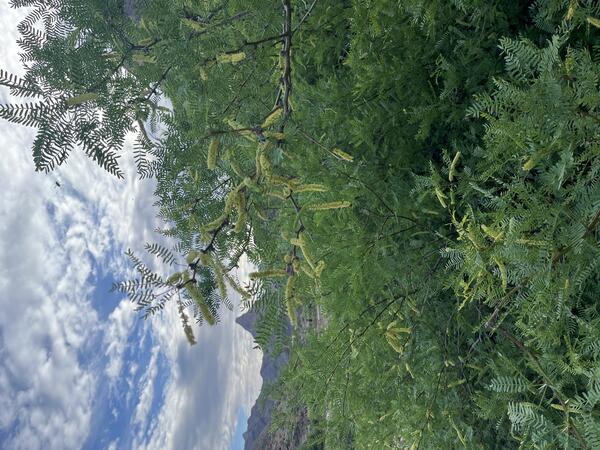
Mesquite tree (Prosopis glandulosa) with the Colorado River and Diamond Peak in the distance
Mesquite tree (Prosopis glandulosa) with the Colorado River and Diamond Peak in the distanceA honey mesquite tree (Prosopis glandulosa) with the Colorado River and Diamond Peak in the distance. Photo by Emily Palmquist, USGS Southwest Biological Science Center.
Mesquite tree (Prosopis glandulosa) with the Colorado River and Diamond Peak in the distance
Mesquite tree (Prosopis glandulosa) with the Colorado River and Diamond Peak in the distanceA honey mesquite tree (Prosopis glandulosa) with the Colorado River and Diamond Peak in the distance. Photo by Emily Palmquist, USGS Southwest Biological Science Center.
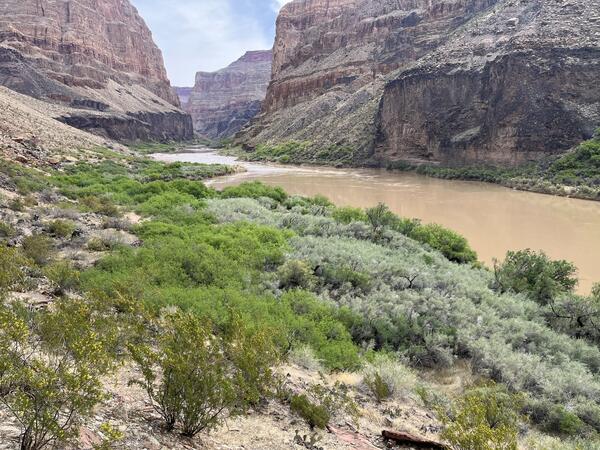
Riparian vegetation along Colorado River in Grand Canyon
Riparian vegetation along Colorado River in Grand CanyonRiparian vegetation along Colorado River near Whitmore in Grand Canyon. Photo by Emily Palmquist, USGS Southwest Biological Science Center.
Riparian vegetation along Colorado River in Grand Canyon
Riparian vegetation along Colorado River in Grand CanyonRiparian vegetation along Colorado River near Whitmore in Grand Canyon. Photo by Emily Palmquist, USGS Southwest Biological Science Center.
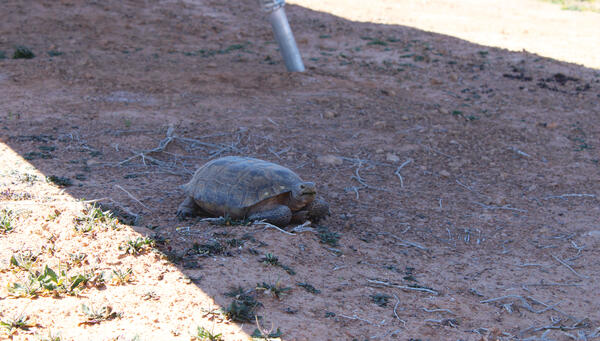
A desert tortoise in the shade of a solar panel at Gemini Solar Project
A desert tortoise in the shade of a solar panel at Gemini Solar ProjectA desert tortoise in the shade of a solar panel at Gemini Solar Project. The fencing at the array is slightly raised to allow smaller animals to pass underneath. Gemini developed measures to avoid, minimize and mitigate impacts to the environment during construction and operation. USGS collaborates with the Bureau of Land Management on research at this array.
A desert tortoise in the shade of a solar panel at Gemini Solar Project
A desert tortoise in the shade of a solar panel at Gemini Solar ProjectA desert tortoise in the shade of a solar panel at Gemini Solar Project. The fencing at the array is slightly raised to allow smaller animals to pass underneath. Gemini developed measures to avoid, minimize and mitigate impacts to the environment during construction and operation. USGS collaborates with the Bureau of Land Management on research at this array.
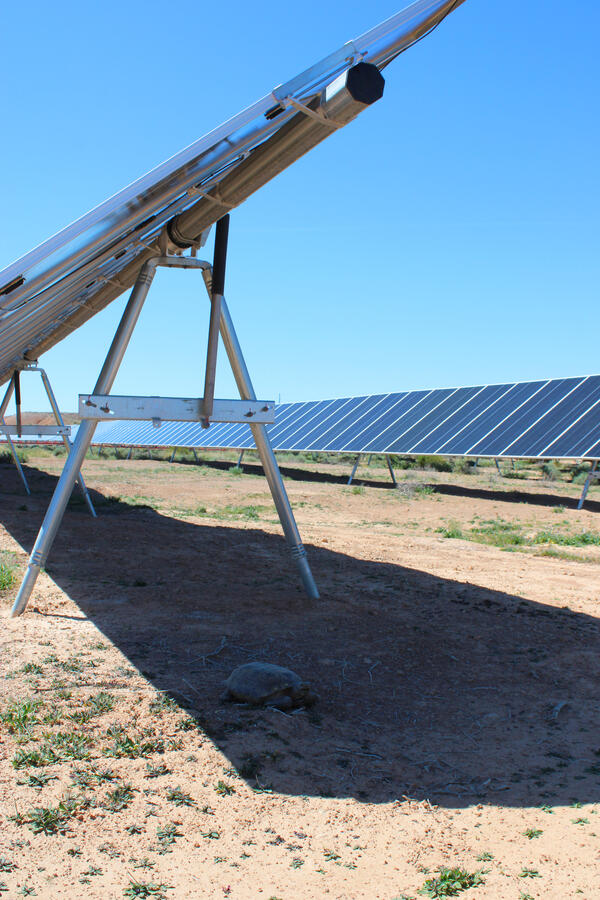
A desert tortoise in the shade of a solar panel at the Gemini Solar Project
A desert tortoise in the shade of a solar panel at the Gemini Solar ProjectA desert tortoise in the shade of a solar panel at the Gemini Solar Project. Gemini developed measures to avoid, minimize and mitigate impacts to the environment during construction and operation, including slightly raised fences that allow desert tortoises, other reptiles and small mammals to pass underneath.
A desert tortoise in the shade of a solar panel at the Gemini Solar Project
A desert tortoise in the shade of a solar panel at the Gemini Solar ProjectA desert tortoise in the shade of a solar panel at the Gemini Solar Project. Gemini developed measures to avoid, minimize and mitigate impacts to the environment during construction and operation, including slightly raised fences that allow desert tortoises, other reptiles and small mammals to pass underneath.

Modeling the impacts of Glen Canyon Dam operations on downstream Colorado River resources-cover
Modeling the impacts of Glen Canyon Dam operations on downstream Colorado River resources-coverThe cover page of a USGS Southwest Biological Science Center, Grand Canyon Monitoring and Research Center cooperator publication prepared as part of an Interagency Agreement with the Bureau of Reclamation.
Modeling the impacts of Glen Canyon Dam operations on downstream Colorado River resources-cover
Modeling the impacts of Glen Canyon Dam operations on downstream Colorado River resources-coverThe cover page of a USGS Southwest Biological Science Center, Grand Canyon Monitoring and Research Center cooperator publication prepared as part of an Interagency Agreement with the Bureau of Reclamation.

Recording bat activity along the Colorado River in Grand Canyon
Recording bat activity along the Colorado River in Grand CanyonAcoustic data recording can be used to identify bats to species and to quantify bat activity. Here, river runners gather around a tablet and microphone to view live translations of the ultrasonic sounds that bats use to navigate the world. Software translates recordings into visuals and sounds that are audible to human ears.
Recording bat activity along the Colorado River in Grand Canyon
Recording bat activity along the Colorado River in Grand CanyonAcoustic data recording can be used to identify bats to species and to quantify bat activity. Here, river runners gather around a tablet and microphone to view live translations of the ultrasonic sounds that bats use to navigate the world. Software translates recordings into visuals and sounds that are audible to human ears.

Bike-produced seedballs before field implementation
Bike-produced seedballs before field implementationSeedballs produced by a seedball bike drying before field implementation. The seedball bike was constructed at USGS with help from the University of Arizona and Northern Arizona University for RestoreNet restoration experiments.
Bike-produced seedballs before field implementation
Bike-produced seedballs before field implementationSeedballs produced by a seedball bike drying before field implementation. The seedball bike was constructed at USGS with help from the University of Arizona and Northern Arizona University for RestoreNet restoration experiments.
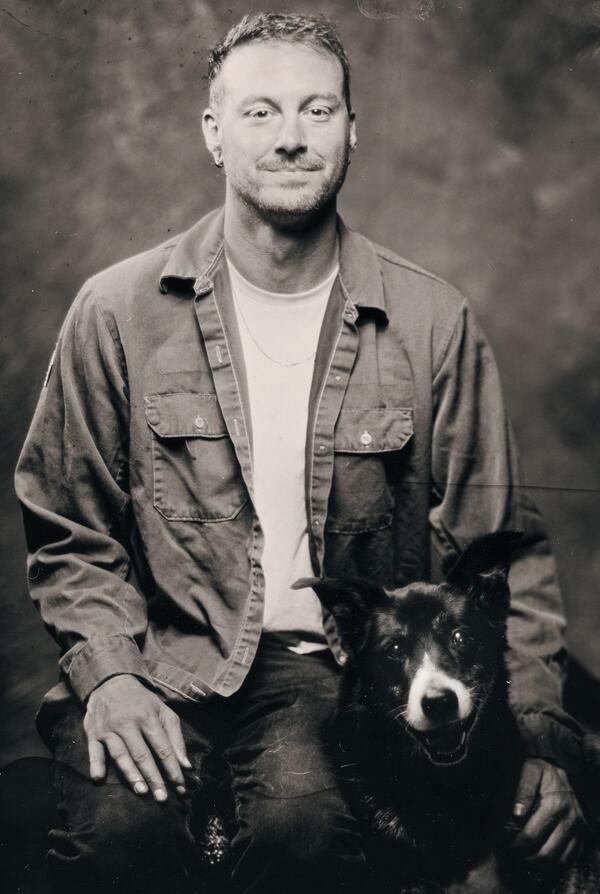
Trevor Faske staff photo
A staff photo of Trevor Faske, research ecologist and plant conservation geneticist at the USGS Southwest Biological Science Center.
A staff photo of Trevor Faske, research ecologist and plant conservation geneticist at the USGS Southwest Biological Science Center.
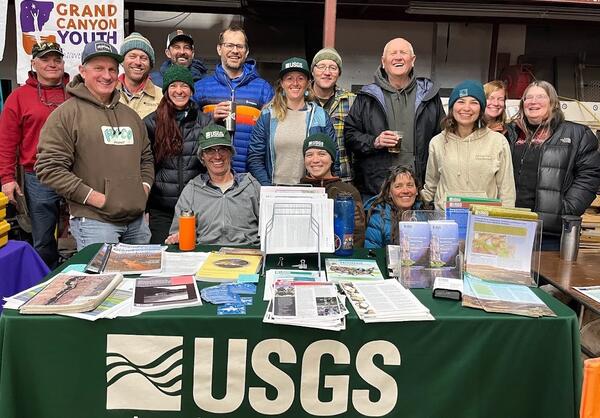
Grand Canyon Monitoring and Research Center staff at the USGS table during the Grand Canyon River Guides training
Grand Canyon Monitoring and Research Center staff at the USGS table during the Grand Canyon River Guides trainingGrand Canyon Monitoring and Research Center staff at the USGS table during the Grand Canyon River Guides training, in spring 2024.
Grand Canyon Monitoring and Research Center staff at the USGS table during the Grand Canyon River Guides training
Grand Canyon Monitoring and Research Center staff at the USGS table during the Grand Canyon River Guides trainingGrand Canyon Monitoring and Research Center staff at the USGS table during the Grand Canyon River Guides training, in spring 2024.