U.S. flag

An official website of the United States government

Images

Hawaiian Volcano Observatory images of eruptive activity, field work, and more.

Filter Total Items: 3867
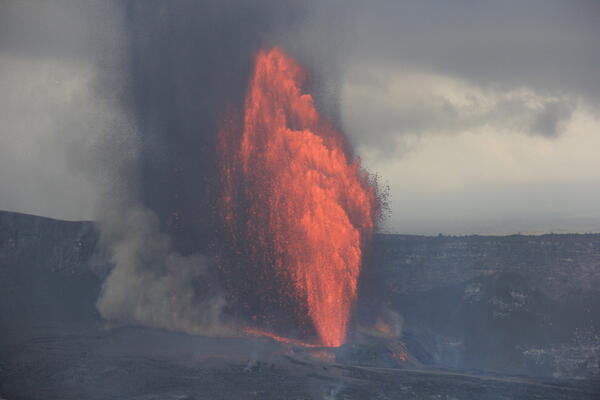
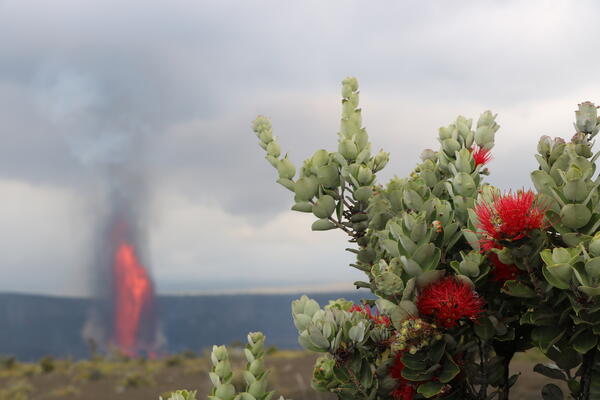
Color photograph of vent erupting lava flow
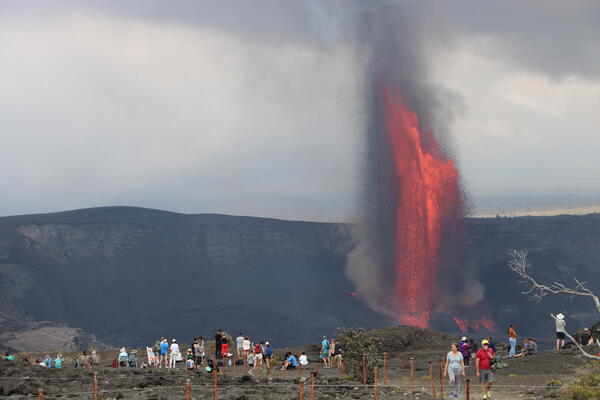
February 20, 2025 — Overview of episode 10 of the summit eruption of Kīlauea

An overview of episode 10 of the ongoing Halemaʻumaʻu eruption the morning of February 20, 2025. Episode 10 ended later that morning at 9:18 a.m HST, after just under 13 hours of fountaining.

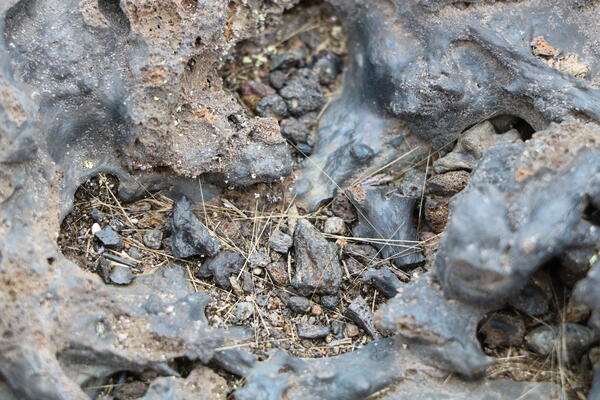
Color photograph of scientist checking a webcamera monitoring an eruption
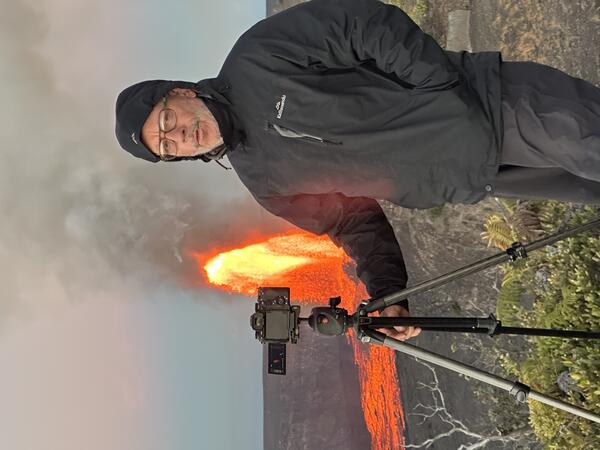
February 20, 2025 — HVO scientists monitor Kīlauea eruption

A Hawaiian Volcano Observatory (HVO) scientist checks the settings on a temporarily deployed camera. Infrastructure in this area is subject to the occasional volcanic bomb strike and may also experience intense heat.

A Hawaiian Volcano Observatory (HVO) scientist checks the settings on a temporarily deployed camera. Infrastructure in this area is subject to the occasional volcanic bomb strike and may also experience intense heat.

Color screenshot of website
Screenshots of the USGS Latest Earthquakes page and a USGS event page

Screenshots of the USGS Latest Earthquakes page and the USGS event page for a M3.1 that occurred at 6:31 a.m. HST on February 13, 2025, north of Kapaʻau on the Island of Hawaiʻi. Selecting the event’s hyperlink on the USGS Latest Earthquakes webpage (red box top panel) will take the user to the event’s overview page (lower panel).

Screenshots of the USGS Latest Earthquakes page and the USGS event page for a M3.1 that occurred at 6:31 a.m. HST on February 13, 2025, north of Kapaʻau on the Island of Hawaiʻi. Selecting the event’s hyperlink on the USGS Latest Earthquakes webpage (red box top panel) will take the user to the event’s overview page (lower panel).

Color photograph of lava flows
February 12, 2025 — Lava flow in Halemaʻumaʻu

During a monitoring overflight at approximately 12:30 p.m., USGS Hawaiian Volcano Observatory staff observed active lava still flowing on the surface within Halema‘uma‘u.

During a monitoring overflight at approximately 12:30 p.m., USGS Hawaiian Volcano Observatory staff observed active lava still flowing on the surface within Halema‘uma‘u.

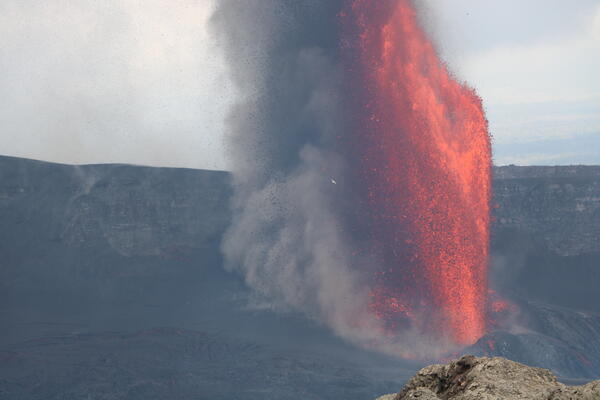
Color photograph of volcanic vent erupting
February 12, 2025 — Abrupt end in episode 9 eruptive activity at Kīlauea summit

Abruptly at 8:30 a.m. HST on February 12, 2025, USGS Hawaiian Volcano Observatory field crews nearby heard the shutdown of fountaining at the north vent. Visual confirmation at 8:34 a.m. confirmed that the north vent was no longer active, and the south vent fountain was greatly reduced and no longer inclined to the east.

Abruptly at 8:30 a.m. HST on February 12, 2025, USGS Hawaiian Volcano Observatory field crews nearby heard the shutdown of fountaining at the north vent. Visual confirmation at 8:34 a.m. confirmed that the north vent was no longer active, and the south vent fountain was greatly reduced and no longer inclined to the east.

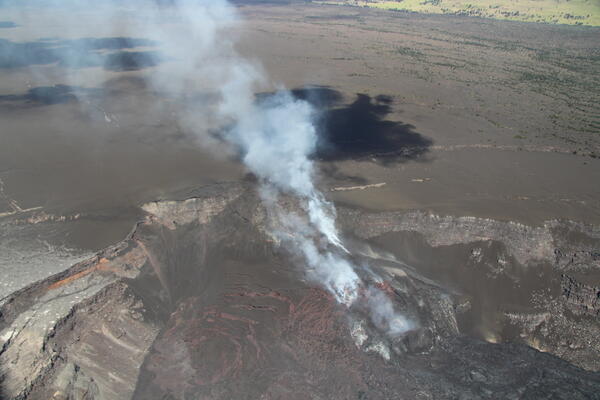
Color photograph of vents degassing in crater
February 12, 2025 — Kīlauea summit overflight

The north and south vents in Halema‘uma‘u were partially hidden in the shadows of clouds during the monitoring overflight at 12:30 p.m. HST today, February 12, but the plumes of volcanic gas emissions helped to illuminate their positions.

The north and south vents in Halema‘uma‘u were partially hidden in the shadows of clouds during the monitoring overflight at 12:30 p.m. HST today, February 12, but the plumes of volcanic gas emissions helped to illuminate their positions.

Color photograph of volcanic slopes and mountains
February 12, 2025 — Views of Mauna Kea during Kīlauea summit overflight

Clear weather during a Kīlauea summit monitoring overflight allowed for views of Mauna Kea in the distance, with the slope of Mauna Loa's Northeast Rift Zone visible on the left side of the image. Small amounts of snow from a recent storm remain visible on the slopes of Mauna Kea. USGS photo by P. Dotray.

Clear weather during a Kīlauea summit monitoring overflight allowed for views of Mauna Kea in the distance, with the slope of Mauna Loa's Northeast Rift Zone visible on the left side of the image. Small amounts of snow from a recent storm remain visible on the slopes of Mauna Kea. USGS photo by P. Dotray.

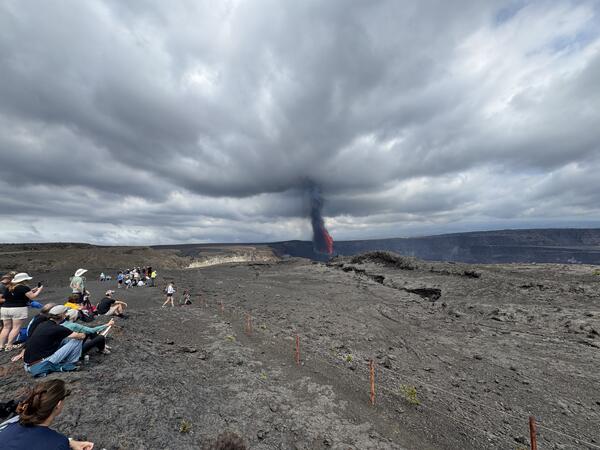
Color photograph of scientist monitoring eruption from caldera rim
February 12, 2025 — Making measurements of Kīlauea eruption parameters

Early on February 12, 2025, USGS Hawaiian Volcano Observatory field crews were able to measure lava fountain heights (45-50 m, or 148-164 feet), lava lake levels (about 19 m or 63 feet of vertical change from the fountain base to the distal lava flows), and lava flow velocities (14 meters per second, or 50 feet per second) before activity at both vents ceased over a

Early on February 12, 2025, USGS Hawaiian Volcano Observatory field crews were able to measure lava fountain heights (45-50 m, or 148-164 feet), lava lake levels (about 19 m or 63 feet of vertical change from the fountain base to the distal lava flows), and lava flow velocities (14 meters per second, or 50 feet per second) before activity at both vents ceased over a

Color photograph of inactive volcanic vent
February 12, 2025 — Cessation of activity at the south vent, Kīlauea summit

Over the course of ten minutes, USGS Hawaiian Volcano Observatory field crews observed the south vent activity cease until lava could no longer be seen or heard from the south vent. At 8:43 a.m. HST on February 12, 2025, episode 9 of the 2024-2025 Halema‘uma‘u eruption was over. USGS photo by K. Lynn.

Over the course of ten minutes, USGS Hawaiian Volcano Observatory field crews observed the south vent activity cease until lava could no longer be seen or heard from the south vent. At 8:43 a.m. HST on February 12, 2025, episode 9 of the 2024-2025 Halema‘uma‘u eruption was over. USGS photo by K. Lynn.

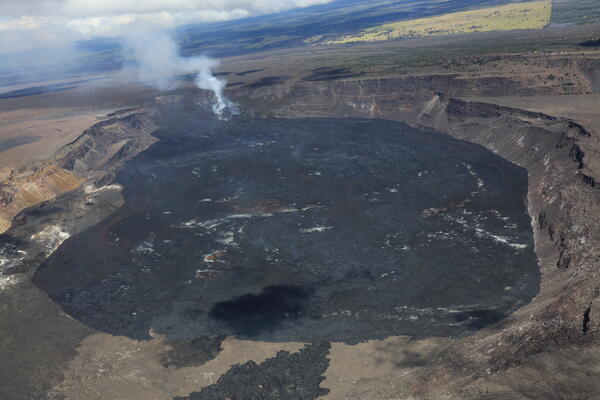
Color photograph of crater with lava flows and degassing vents
February 12, 2025 — Kīlauea summit overflight Halemaʻumaʻu overview

A patchwork of lava flows of different colors and different ages cover the floor of Halema‘uma‘u, at the summit of Kīlauea. Nine lava fountaining episodes in the southwest part of Kalupele since December 23, 2024, have fed lava flows that work their way east across the caldera floor. Although episode 9 of the eruption paused February 12, at 8:43 a.m.

A patchwork of lava flows of different colors and different ages cover the floor of Halema‘uma‘u, at the summit of Kīlauea. Nine lava fountaining episodes in the southwest part of Kalupele since December 23, 2024, have fed lava flows that work their way east across the caldera floor. Although episode 9 of the eruption paused February 12, at 8:43 a.m.

Color photograph of volcanic vents erupting lava
February 12, 2025 — Eruptive activity at the vents in Halemaʻumaʻu, Kīlauea

Around 7 a.m. HST on February 12, 2025, USGS Hawaiian Volcano Observatory (HVO) field crews observed vigorous fountaining from both the north and south vents of the ongoing 2024-2025 eruption. The south and north cones were 31 m (102 feet) and 45 m (148 feet) tall, respectively. USGS photo by K. Lynn.

Around 7 a.m. HST on February 12, 2025, USGS Hawaiian Volcano Observatory (HVO) field crews observed vigorous fountaining from both the north and south vents of the ongoing 2024-2025 eruption. The south and north cones were 31 m (102 feet) and 45 m (148 feet) tall, respectively. USGS photo by K. Lynn.

Color photograph of volcanic vents erupting lava flows
February 12, 2025 — Eruptive activity in Halema‘uma‘u, Kīlauea summit

At 7 a.m. HST on February 12, 2025, episode 9 of Kīlauea's 2024-2025 eruption continued at both the north and south vents with fountain heights of 45-50 m (148-164 feet). The south vent fountain was inclined (at an angle) to the east. Both vents fed active lava flows that stretched over one kilometer (0.62 miles) across the floor of Halema‘uma‘u. USGS photo by K.

At 7 a.m. HST on February 12, 2025, episode 9 of Kīlauea's 2024-2025 eruption continued at both the north and south vents with fountain heights of 45-50 m (148-164 feet). The south vent fountain was inclined (at an angle) to the east. Both vents fed active lava flows that stretched over one kilometer (0.62 miles) across the floor of Halema‘uma‘u. USGS photo by K.

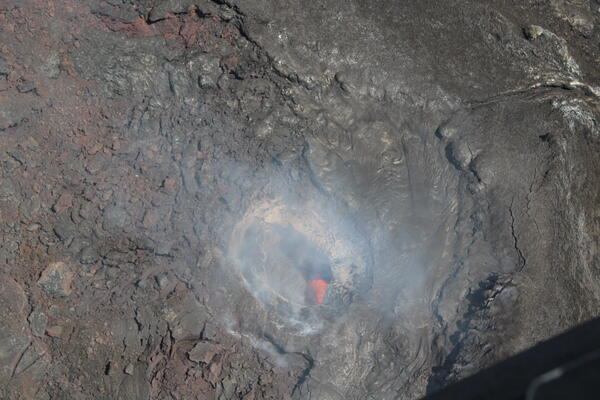
Color photograph of small glowing cone within volcanic vent
February 11, 2025 — View of the north vent just prior to the start of episode 9

USGS Hawaiian Volcano Observatory geologists visited the Kīlauea eruption site at Haleaʻumaʻu the morning of February 11, 2025, just prior to the start of episode 9 of the eruption. From the caldera rim, they captured this view within the north vent, where the occasional spattering over the day prior had constructed a small cone within the vent. USGS photo by M.

USGS Hawaiian Volcano Observatory geologists visited the Kīlauea eruption site at Haleaʻumaʻu the morning of February 11, 2025, just prior to the start of episode 9 of the eruption. From the caldera rim, they captured this view within the north vent, where the occasional spattering over the day prior had constructed a small cone within the vent. USGS photo by M.

Color photograph of lava fountaining
February 11, 2025 — Episode 9 of the summit eruption begins

Episode 9 of the Halema'uma'u eruption at the summit of Kīlauea began at 10:16 am HST today, February 11. Lava is fountaining within north vent, feeding lava flows onto the crater floor within Hawaiʻi Volcanoes National Park. Each fountaining episode of this eruption has lasted from a few hours to over a week.

Episode 9 of the Halema'uma'u eruption at the summit of Kīlauea began at 10:16 am HST today, February 11. Lava is fountaining within north vent, feeding lava flows onto the crater floor within Hawaiʻi Volcanoes National Park. Each fountaining episode of this eruption has lasted from a few hours to over a week.

Color photograph of lava fountaining
February 11, 2025 — Episode 9 lava fountains in Kaluapele, Kīlauea summit caldera

The Kīlauea Halema‘uma‘u eruption resumed with the start of episode 9 the morning of February 11, 2025. Both the north and south vent were active the evening of February 11, with the north vent lava fountain reaching heights of 50-60 meters (160-200 feet) and a max height of 75 meters (250 feet) at 7:40 p.m. HST.

The Kīlauea Halema‘uma‘u eruption resumed with the start of episode 9 the morning of February 11, 2025. Both the north and south vent were active the evening of February 11, with the north vent lava fountain reaching heights of 50-60 meters (160-200 feet) and a max height of 75 meters (250 feet) at 7:40 p.m. HST.

Color photograph of lava fountains
February 11, 2025 — Evening views of episode 9 of Kīlauea summit eruption

View of episode 9 lava fountaining in Halema‘uma‘u at the summit of Kīlauea the evening of February 11, 2025. Lava fountain heights were decreased from the morning of February 11, when episode 9 began. At approximately 8:15 p.m.

View of episode 9 lava fountaining in Halema‘uma‘u at the summit of Kīlauea the evening of February 11, 2025. Lava fountain heights were decreased from the morning of February 11, when episode 9 began. At approximately 8:15 p.m.

Color photograph of scientists monitoring eruption site
February 11, 2025 — Monitoring Halemaʻumaʻu episode 9 lava fountains at the summit of Kīlauea

On the evening of February 11, 2025, USGS geologists deployed to the rim of Kaluapele to observe and document episode nine of the ongoing December 2024–February 2025 Halema‘uma‘u eruption at the summit of Kīlauea. Near the KWcam site, USGS geologists checked on timelapse cameras that have been capturing the ongoing eruption since December 23, 2024.

On the evening of February 11, 2025, USGS geologists deployed to the rim of Kaluapele to observe and document episode nine of the ongoing December 2024–February 2025 Halema‘uma‘u eruption at the summit of Kīlauea. Near the KWcam site, USGS geologists checked on timelapse cameras that have been capturing the ongoing eruption since December 23, 2024.

Color map showing eruption within caldera of volcano
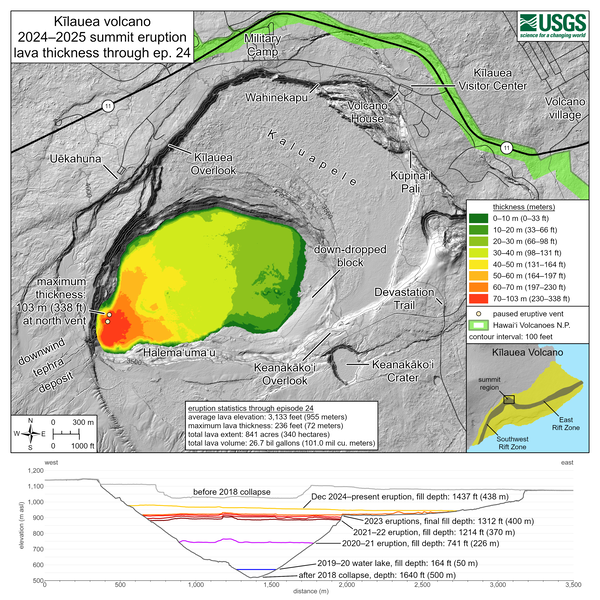
February 7, 2025—Kīlauea summit eruption reference map

This reference map depicts the Kīlauea summit eruption within Halema‘uma‘u crater that began on December 23, 2024. As of this posting on February 7, the eruption has had eight episodes.

This reference map depicts the Kīlauea summit eruption within Halema‘uma‘u crater that began on December 23, 2024. As of this posting on February 7, the eruption has had eight episodes.

Color graphic of caldera
AGU Chapman Conference on Caldera-Forming Eruptions at Basaltic Volcanoes

This cartoon schematic depicts the Kīlauea 2018 lower East Rift Zone eruption and coincident summit collapse. It is the logo for the American Geophysical Union Chapman Meeting on Caldera-Forming Eruptions at Basaltic Volcanoes, to be held in Hilo, Hawaii, from February 9-14, 2025.

This cartoon schematic depicts the Kīlauea 2018 lower East Rift Zone eruption and coincident summit collapse. It is the logo for the American Geophysical Union Chapman Meeting on Caldera-Forming Eruptions at Basaltic Volcanoes, to be held in Hilo, Hawaii, from February 9-14, 2025.

Color plots showing maps of temperature on crater floor where eruption is occurring
February 4, 2025 — Thermal maps of recent activity at Kīlauea summit

These thermal maps show the changing activity this week at Kīlauea summit. They were created from handheld thermal camera imagery collected during helicopter overflights yesterday and today. The February 3 map shows warm but inactive lava flows covering the crater floor, with several hot cracks cutting across the floor.

These thermal maps show the changing activity this week at Kīlauea summit. They were created from handheld thermal camera imagery collected during helicopter overflights yesterday and today. The February 3 map shows warm but inactive lava flows covering the crater floor, with several hot cracks cutting across the floor.

Color photograph of vent erupting lava
February 4, 2025 — Episode 8 eruptive vents and flows from floor of Halema‘uma‘u

A closer look at the northern vent at the summit of Kīlauea during the morning of February 4, 2025. Lava fountaining was through a pond contained within the cone, and lava from the pond drained eastward through a notch in the cone wall, then into a narrow spillway channel. USGS photo by M. Patrick.

A closer look at the northern vent at the summit of Kīlauea during the morning of February 4, 2025. Lava fountaining was through a pond contained within the cone, and lava from the pond drained eastward through a notch in the cone wall, then into a narrow spillway channel. USGS photo by M. Patrick.

Was this page helpful?