



Ecosystems
Ecosystems
Fish and Aquatic Ecology
Marine Ecosystems
Terrestrial Ecosystems
Wildlife Disease and Environmental Health
Molecular Ecology Laboratory
Our science center has more than 40 years of research experience in Arctic and sub-Arctic regions, a state-of-the-art molecular genetics lab, and a 50-foot marine research vessel. Wildlife and their habitats across the state are important for human cultural and economic sustainability and the media and public actively monitor information regarding the health of Alaska’s ecosystems.
Ecosystems Analytics
Ecosystems Analytics

Ecosystems Analytics is a group of quantitative biologists and research statisticians.
Marine Ecosystems
Marine Ecosystems

The USGS conducts research on marine wildlife, habitats, and processes.
Filter Total Items: 71

Fish and Aquatic Ecology
Fish and aquatic habitats in Alaska support important commercial, sport, and subsistence fisheries and provide forage fish that support wildlife populations. The USGS Alaska Science Center conducts interdisciplinary research to inform local, state, federal, and international policy makers regarding conservation of fish, aquatic species, and their habitats. We work collaboratively with hydrologists...

Landbird Research in Alaska
On this page, learn about USGS work with the Alaska Landbird Monitoring Survey (ALMS), Beak Deformities in Landbirds, and Boreal Partners in Flight (BPIF).

Shorebird Research
With its vast size and geographic position at the northern end of several migration pathways, Alaska is a critically important site for the world’s shorebirds. Thirty-seven shorebird species regularly breed in Alaska. Most of these species conduct epically long migrations to take advantage of Alaska’s abundant food resources and breeding habitat, making Alaska a global resource for shorebirds...

Nearshore Marine Ecosystem Research
Nearshore ecosystems include many resources that are of high ecological, recreational, subsistence, and economic value. They also are subject to influences from a wide variety of natural and human-caused perturbations, which can originate in terrestrial or oceanic environments. Our research is designed to evaluate sources of variation in the nearshore and how they influence resources of high...

The Rusting of Arctic Rivers: Freshwater Ecosystems Respond to Rapidly Uptaking Metals
The water quality of streams and rivers in the Arctic is sensitive to rapid climate change and altered disturbance regimes.

Seabirds and Forage Fish Ecology
Alaska's coastal and offshore waters provide foraging habitat for an estimated 100 million birds comprising more than 90 different species; from loons and seaducks that nest inland, to petrels and puffins that breed on islands off shore. All these birds depend on the sea to provide a wide variety of food types— from clams, crabs and urchins nearshore— to krill, forage fish, and squid offshore. The...

Polar Bear Research
Polar bears ( Ursus maritimus) are one of 4 marine mammal species managed by the U.S. Department of Interior. The USGS Alaska Science Center leads long–term research on polar bears to inform local, state, national and international policy makers regarding conservation of the species and its habitat. Our studies, ongoing since 1985, are focused on population dynamics, health and energetics...

Tracking Data for Long-billed Curlews (Numenius americanus)
Available here are tracking data for the largest shorebird in North America, the long-billed curlew. This species nests in deserts and grasslands of central and western North America and spends the nonbreeding season in agriculture fields and pastures or along coastlines in California, Texas, and Mexico. These data were collected to better understand the migratory patterns of this unmistakable and...

Tracking Data for Caribou (Rangifer tarandus granti)
Available here are tracking data of Caribou, an ungulate that ranges between the Alaska Peninsula, up through interior Alaska and the Arctic Coastal Plain, and over to the Yukon Territory. These data were collected from animals living in three different herds including the Fortymile herd, Nelchina herd, and Denali herd.

Tracking Data for Buff-Breasted Sandpipers (Calidris subruficollis)
Available here are tracking data of buff-breasted sandpiper, a shorebird species that breeds only in Arctic Alaska and Canada, spending the winter in the grasslands of Brazil, Uruguay, and Argentina after a lengthy migration. These data were collected to determine range-wide migratory routes, migratory timing, and stopover habitats of this species.

Tracking Data for Long-tailed Ducks (Clangula hyemalis)
Available here are tracking data of long-tailed duck, a species of seaduck that breeds throughout the circumpolar Arctic and spends the winter in coastal areas of northern and mid latitudes. These data were collected to determine range-wide migratory routes, migratory timing, and stopover habitats of this species.
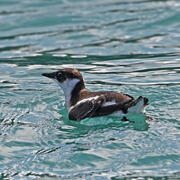
Tracking Data for Marbled Murrelet (Brachyramphus marmoratus)
Available here are tracking data for the Marbled Murrelet, a seabird species that forages in coastal marine waters and nests in old-growth forests of Alaska, Canada, and the western United States.