



FORT Updates: From Plains to Peaks - Vol. 3 | Issue 2

FORT Science in Action, Part 1: Science syntheses helping to streamline public lands decisions, including oil and gas permitting
Federal agencies are required to assess the potential effects of proposed management actions and use science in their assessments. In collaboration with other Department of the Interior (DOI) agencies, FORT researchers have developed a new type of science product—structured science syntheses—to inform environmental analyses for planning, permitting, and management actions on public lands.
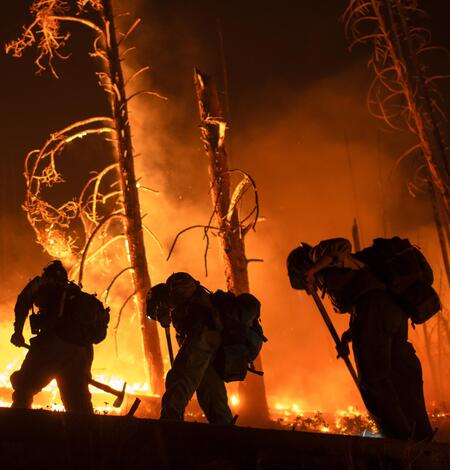
FORT Science in Action, Part 2: Economic studies in support of reduced wildfire risks to public safety
As destructive wildfires continue to make headlines, FORT economists play a key role in numerous projects to reduce risks across sectors of society.

FORT Science in Action, Part 3: Science for cooperative conservation and management of our national mammal, the American bison
FORT researchers provide science expertise to interagency teams focused on the conservation and stewardship of bison on lands managed by the DOI. These projects deliver critical science for management of free-roaming bison, ensuring the long-term health of bison populations and public lands in America.
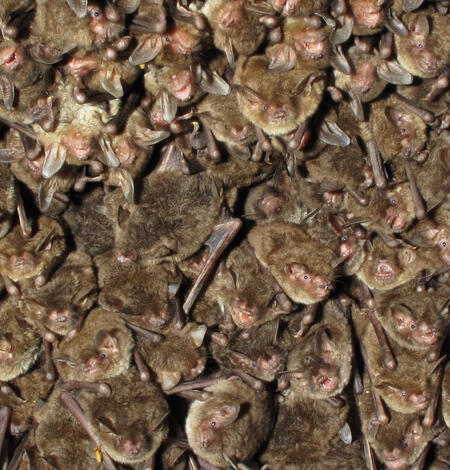
FORT Science in Action, Part 4: the North American Bat Monitoring Program (NABat)
The North American Bat Monitoring Program (NABat) was established in 2015 as a multi-national, multi-agency coordinated bat population monitoring program. NABat was designed to unify and enable a dispersed community to repeatedly monitor bats across a continent, assemble data in a centralized database, and deliver status and trends for one of North America’s critical resources – bats.

FORT Science in Action, Part 5: A web tool for mapping and management of invasive plant species in the United States
A critical component of invasive species management efforts is access to reliable, high-resolution geographic data on where invasive species currently exist and where they are likely to spread. To address this need, FORT developed the Invasive Species Habitat Tool (INHABIT), which provides wall-to-wall, fine-scale maps of invasive plant distributions and colonization risk across the United States.
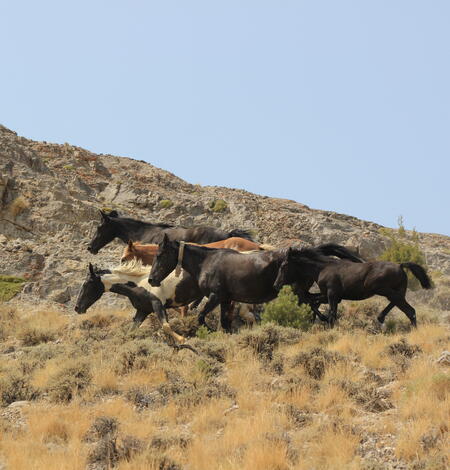
FORT Science in Action, Part 6: Wild horse and burro research to support Interior managers, rural economies, tribal partners, and world-class hunting
In collaboration with universities, federal land management agencies, state wildlife organizations, and tribal biologists, FORT scientists are refining methods to accurately count wild horses and burros, investigating how these equines interact with native ecosystems, and testing what organizations can do to effectively manage wild equine populations.
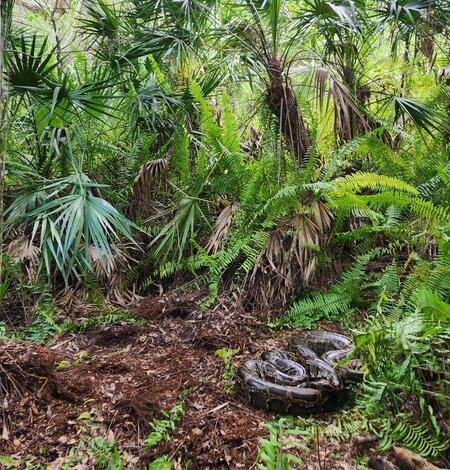
FORT Science in Action, Part 7: Science in support of invasive reptile management in the Greater Everglades
The USGS leads federal research efforts to address the growing threat of invasive reptiles in the Greater Everglades Ecosystem.
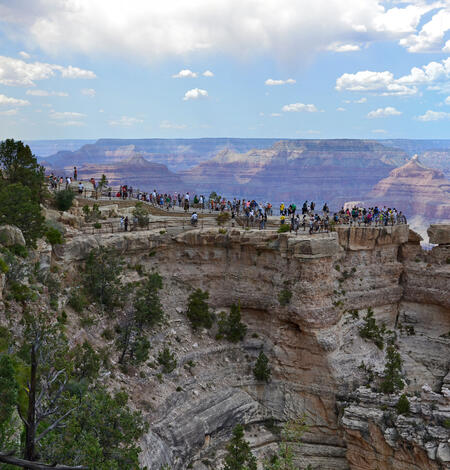
FORT Science in Action, Part 8: Enhancing visitor data in support of the EXPLORE Act
The Department of Interior (DOI) manages 480 million acres of public lands that attract over 565 million visitors every year, generating $1.2 trillion in economic output. Social scientists at the USGS Fort Collins Science Center work on a variety of projects that help inform outdoor recreation management on DOI lands.

FORT Science in Action Part 9: The Wyoming Landscape Conservation Initiative produces science for energy development and conservation in southwestern Wyoming
As the science backbone of the Wyoming Landscape Conservation Initiative (WLCI), USGS has developed 200+ science products for WLCI partners over the last 18 years. From wildlife migration to water quality, invasive species to mineral mapping, this science helps partners within WLCI adapt and plan for the future.

FORT Science in Action, Part 10: Valuing the economic benefits of recreation on public lands
The value people get from public lands goes beyond the billions of dollars spent each year on travel, entrance fees, licenses, and equipment for outdoor recreation. FORT economists help resource managers estimate the overall economic benefits generated by outdoor recreation activities, such as trips to National Park Service sites.

FORT Science in Action, Part 11: Understanding fire history to inform current wildfire and fuels management
Wildfires in the United States are increasing in size and severity, impacting lives, property, public health, ecosystems, and ecosystems services. Recovery from a single fire can cost \$100s of millions to over \$40 billion, not including the costs of fire suppression. FORT fire history research provides essential information to support wildfire managers across the country.
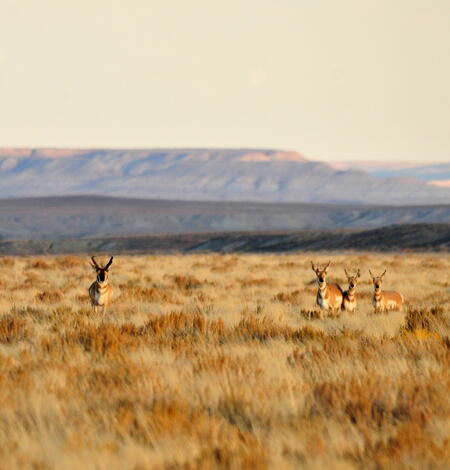
FORT Science in Action, Part 12: A decision optimization tool to facilitate efficient and effective sagebrush ecosystem management
Sagebrush ecosystems represent one of the most imperiled biomes in North America. To guide strategic conservation efforts and help land managers balance land use priorities, FORT scientists and collaborators developed the Prioritizing Restoration of Sagebrush Ecosystems Tool (PReSET).
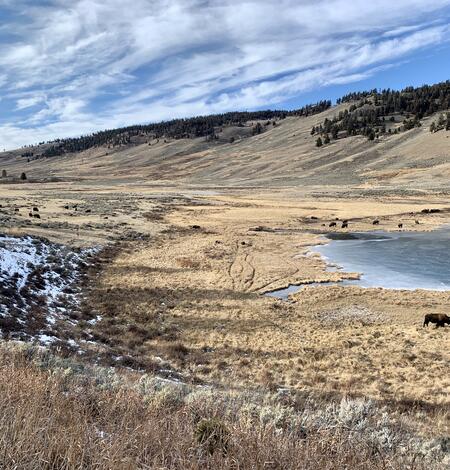
FORT Science in Action, Part 13: Predictive genetic tools for guiding resource management
FORT scientists developed a flexible simulation model to predict the genetic consequences of planned, proposed, or previously implemented management actions, supporting resource managers in their efforts to effectually manage healthy wildlife populations.
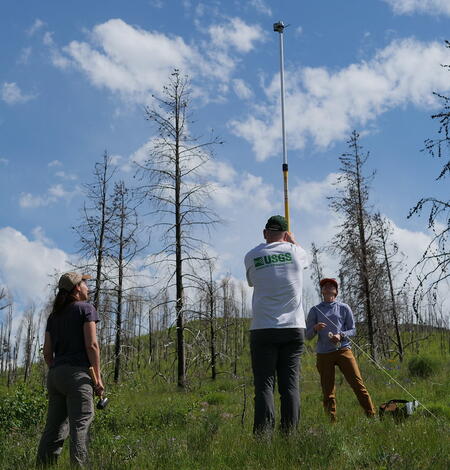
FORT Science in Action, Part 14: Science, leadership, and innovative technical solutions for efficient decision-making
FORT’s Ecoinformatics and Wildlife Technology (ECOTECH) Branch works closely with state, federal, tribal, and nongovernmental partners to address complex challenges at the intersections of energy, infrastructure, resources, and species management, to reduce the need for regulatory actions. ECOTECH delivers the science, leadership, and technology required for transparent, data-driven decisions.
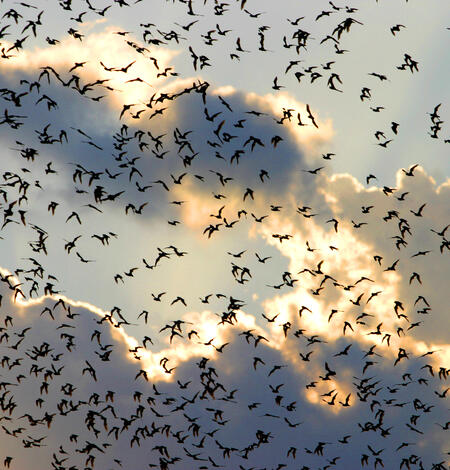
FORT Science in Action, Part 15: Bat science in support of food and economic security
A deadly fungus is causing large declines in hibernating bats around the world. Detailed life history information can support wildlife managers in predicting species declines and managing healthy bat populations, protecting the economic, agricultural, and other services that bats provide.
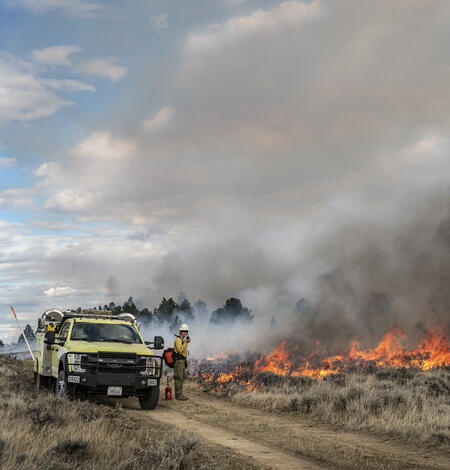
FORT Science in Action, Part 16: Science for reducing invasive fine fuels to restore wildlife habitat and ensure public safety
FORT researchers study invasive grass biology and management, to help resource managers reduce the abundance of these fine fuels, restore wildlife habitat, and ensure public safety.
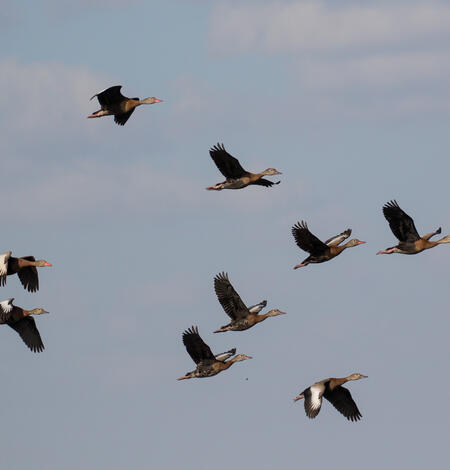
FORT Science in Action, Part 17: Informing public engagement objectives for the North American Waterfowl Management Plan
The North American Waterfowl Management Plan (NAWMP) represents the foundational and successful effort to manage waterfowl and migratory bird in North America. Continued success of NAWMP depends on maintaining relevance to partners and society over time. FORT social science research supports NAWMP by providing a better understanding of what people value regarding waterfowl and their habitats.
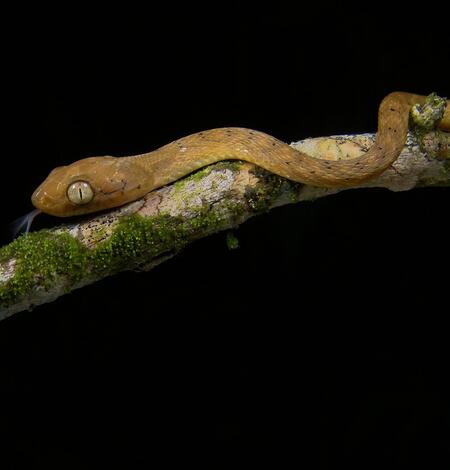
FORT Science in Action, Part 18: Science and tools for cost-effective control of invasive brown treesnakes in Guam
In support of Department of the Interior restoration goals and military infrastructure safety, FORT scientists develop innovative science and tools to improve invasive brown treesnake management in Guam.
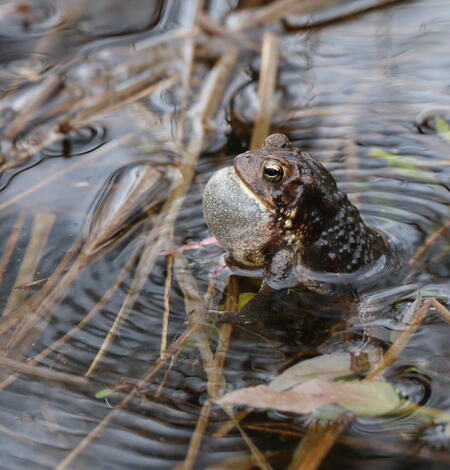
FORT Science in Action, Part 19: Supporting wildlife management decisions with amphibian research and monitoring
FORT scientists provide data-driven information for managers to use in making decisions about amphibian conservation and related land and water use issues.

FORT Science in Action, Part 20: Chronic Wasting Disease research to inform wildlife management and support big game hunting
Chronic Wasting Disease (CWD) is a fatal prion disease that affects white tail deer, mule deer, elk, and moose in the United States, and poses a direct threat to wild and farmed populations of these species with economic impacts on associated hunting and farming operations. FORT scientists investigate the spread and management of CWD to help managers mitigate its effects on wildlife populations.

FORT Science in Action, Part 21: Pollinator research in support of agricultural economies and food security
Domesticated and native bees provide economic services valued in excess of $10 billion in the U.S. annually. They are also irreplaceable for many crops and thus central to our agricultural heritage. FORT researchers work closely with partners nationwide to improve pollinator health and conservation, ensuring future economic and food security.
Subscribe to our newsletter to get all the FORT Science Updates
Learn More
Find our science and connect with our researchers.
Publications
FORT scientists have produced more than 2000 peer reviewed publications that are registered in the USGS Publications Warehouse, along with many others prior to their work at the USGS or in conjunction with other government agencies.

News
There is always something news worthy happening at the Fort Collins Science Center. Read below to learn more about our latest research, new advances in our fields of study, and topics that affect all of our lives.

Connect
The majority of our staff call Fort Collins, Colorado their home, but work all over the United States. FORT research and support staff work from one of four duty stations: in Colorado, at the Fort Collins Science Center or Denver Federal Center; in New Mexico, at the New Mexico Landscapes Field Station; or in Florida, at the USGS Everglades Research Offices.