



The Fish and Climate Change Database (FiCli)
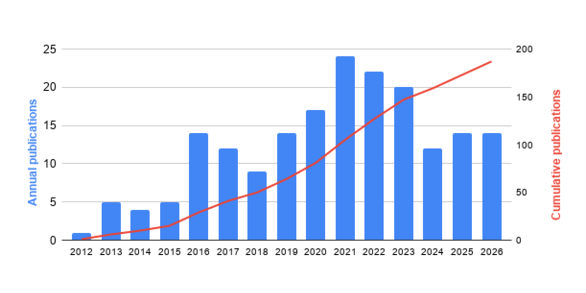
FiCli is a comprehensive, publicly-available database of peer-reviewed literature on climate change impacts to inland fish.
The U.S. Inland Creel and Angler Survey Catalog (CreelCat)
CreelCat is a first-of-its-kind national database of angler-survey data.
Featured Publication
Inland recreational fisheries contribute nutritional benefits and economic value but are vulnerable to climate change
The CASC Fish Research Program is a dynamic group of federal researchers and early-career scientists working together to explore the impacts of climate and other stressors on fish and aquatic systems to inform conservation and climate adaptation.
Our Work
Fishing holds significant economic and cultural value in the United States and across the globe. Inland fish, or those found in rivers, lakes, reservoirs, and other land-locked waters, provide food for billions and livelihoods for millions of people worldwide. In the U.S., inland recreational fishing generates approximately \$36 billion in expenditures each year, provides treasured opportunities for people to connect with nature, and supports human health. Fishing for food to eat, or subsistence fishing, provides food security and vital micronutrients, strengthens community resilience to economic hardship, and preserves cultural traditions.
However, inland fish and fisheries face intensifying pressure from threats like climate change, invasive species, pollution, and overharvest. The impacts of climate change are increasingly evident. Warming water temperatures are changing which fish species are found where and the timing of important life-cycle events like spawning. Changes in precipitation patterns alter water quality and quantity, and therefore the availability of suitable habitat for some species. Characterizing the diversity and severity of these threats is important for prioritizing management and guiding resource allocation that minimizes impacts while also planning for future threats.
The CASC Fish Research Program is dedicated to supporting the sustainable management and conservation of inland fisheries in the face of climate change and other pressures, providing data and tools that directly help fisheries managers strategically adapt to changing conditions. The program is comprised of a dynamic team of scientists partnering with federal, state, and tribal management agencies, universities, and other conservation practitioners to carry out novel research and science synthesis designed to meet the needs of fisheries managers.
Our goal is to better understand global change impacts to economically and culturally important fish resources and help partners strategically conserve and adapt to changing conditions.
Research Themes

The CASC Fish Research team explores a wide variety of science topics relating to fish and climate change, including:
- Recreational fisheries management
- Economic, cultural, and nutritional value of fisheries
- Climate impacts on fish, fisheries, and aquatic ecosystems
- Ecological effects of aquatic invasive species
Science with On-The-Ground Impacts
The CASC Fish Research Team works closely with a diverse group of partners to ensure their research can be directly used by resource managers and conservation practitioners to inform fisheries management. They include partners in every stage of the scientific process, specifically designing their projects to address pressing management challenges and to fill in knowledge gaps. They work with everyone from individual anglers and Indigenous communities up to large professional networks to create new and innovative approaches to fisheries management in the face of climate change. The team is often asked to present their research to Federal leadership through Congressional briefings and in-person presentations.


The CASC Fish Research Team lead diverse, cutting-edge research on the effects of climate change on fish populations around the world. Learn more about their research projects below or check out our Project Explorer to see all the work the CASCs do on fish.
Project Highlight: Global Inland Recreational Fish Consumption

CASC researchers used existing literature and expert knowledge to estimate fish consumption from inland recreational fishing across 81 countries.
Project Highlight: Bright Spots for Walleye

CASC researchers are exploring "bright spots" in walleye management: walleye populations that are thriving despite their rapidly changing climate.
Project Highlight: Extreme Weather in the Caribbean

CASC researchers are investigating whether Puerto Rico's economic and cultural valuable inland fish assemblages can resist the impacts of future extreme weather events.

Climate Adaptation for Data-Limited Inland Fisheries

Fellow Project: Linking Great Lakes Fishery Management with Regional Climate Modeling

Indigenous Perspectives on Lake Sturgeon and the Potential Impact of Climate Change

Informing Mekong River Basin Resiliency and Climate Adaptation

Integrating Multiple Data Sets to Inform Climate Adaptation Strategies for Inland Fish and Recreational Fishing

Evaluating How Changing Climate and Water Clarity Can Affect Restoration of Native Coregonine Fish in Midwestern Lakes

Increasing Tribal Climate Adaptive Capacity for Coastal Resources in the Northeast

Developing an Indicator of Species Vulnerability to Climate Change to Support a Consistent Nationwide Approach to Assessing Vulnerability

Walleye Fisheries: Bright Spots in a Changing Climate

Fellow Project: Mapping Estuarine Vulnerability to Water Quality Change Under Future Climate and Land Use Conditions

Estimating Global Inland Recreational Consumption to Adapt to Global Change

Impacts of Extreme Events on the Native and Nonnative Aquatic Species of Hawaiʻi Stream Ecosystem
The CASC Fish Research Team's diverse projects and people are often highlighted in videos and feature films. Explore our team's webinars, profiles, and research highlights below.
Climate Champion: Holly Embke

Research Fish Biologist Holly Embke investigates how climate change is impacting inland fish populations used by recreational anglers and for Tribal subsistence activities.
Recreational Inland Fisheries as Food Data Viz
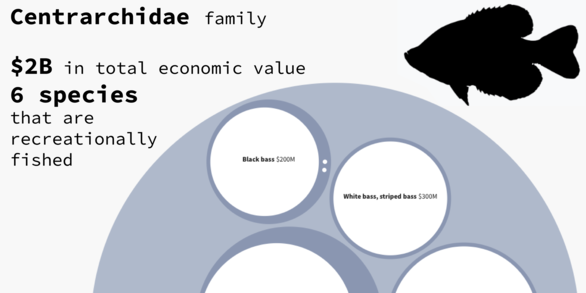
Explore data visualizations of inland recreational consumption estimates by fish species and country and the climate vulnerability of this recreational consumption.
RAD Framework Webinar

Ecosystems are transforming under climate change, with substantial shifts in ecological processes and important ecosystem services occurring at unprecedented rates. The RAD Framework can help resource managers make informed strategies for responding to ecological transformation.
The CASC Fish Research Team is highly prolific and has published over 100 academic articles. Check out a selection of their publications below.
Special Issue

The CASC Fish Team led a special issue in the journal Fisheries Management and Ecology on applying the Resist-Accept-Direct (RAD) Framework to fish and fisheries conservation and management.
Why People Need Freshwater Biodiversity

The CASC Fish Team worked with an international team of researchers to describe nine ways that freshwater biodiversity is critical to humans. Explore the key findings in this handout.
The Fish Research Team develops a variety of tools and products for different audiences. The team produces geonarratives for the public to communicate the threats to inland fisheries around the world, while also developing tools to assist managers working to conserve these fisheries. Browse the different tools below!
The U.S. Inland Creel & Angler Survey Catalog

CreelCat is a collection of creel and angler survey data from over 40 states plus Washington D.C. and Puerto Rico.
The Fish & Climate Change Database

FiCli is a comprehensive resource of climate change effects on inland fishes globally.
Recreational Inland Fisheries as Food
Explore data visualizations on inland recreational consumption estimates by fish species and country, consumptive use value, and climate vulnerability of this recreational consumption.
The CASC Fish Research Program is a dynamic group of federal researchers and early-career scientists working together to explore the impacts of climate and other stressors on fish and aquatic systems to inform conservation and climate adaptation.
Our Work
Fishing holds significant economic and cultural value in the United States and across the globe. Inland fish, or those found in rivers, lakes, reservoirs, and other land-locked waters, provide food for billions and livelihoods for millions of people worldwide. In the U.S., inland recreational fishing generates approximately \$36 billion in expenditures each year, provides treasured opportunities for people to connect with nature, and supports human health. Fishing for food to eat, or subsistence fishing, provides food security and vital micronutrients, strengthens community resilience to economic hardship, and preserves cultural traditions.
However, inland fish and fisheries face intensifying pressure from threats like climate change, invasive species, pollution, and overharvest. The impacts of climate change are increasingly evident. Warming water temperatures are changing which fish species are found where and the timing of important life-cycle events like spawning. Changes in precipitation patterns alter water quality and quantity, and therefore the availability of suitable habitat for some species. Characterizing the diversity and severity of these threats is important for prioritizing management and guiding resource allocation that minimizes impacts while also planning for future threats.
The CASC Fish Research Program is dedicated to supporting the sustainable management and conservation of inland fisheries in the face of climate change and other pressures, providing data and tools that directly help fisheries managers strategically adapt to changing conditions. The program is comprised of a dynamic team of scientists partnering with federal, state, and tribal management agencies, universities, and other conservation practitioners to carry out novel research and science synthesis designed to meet the needs of fisheries managers.
Our goal is to better understand global change impacts to economically and culturally important fish resources and help partners strategically conserve and adapt to changing conditions.
Research Themes
The CASC Fish Research team explores a wide variety of science topics relating to fish and climate change, including:
- Recreational fisheries management
- Economic, cultural, and nutritional value of fisheries
- Climate impacts on fish, fisheries, and aquatic ecosystems
- Ecological effects of aquatic invasive species
Science with On-The-Ground Impacts
The CASC Fish Research Team works closely with a diverse group of partners to ensure their research can be directly used by resource managers and conservation practitioners to inform fisheries management. They include partners in every stage of the scientific process, specifically designing their projects to address pressing management challenges and to fill in knowledge gaps. They work with everyone from individual anglers and Indigenous communities up to large professional networks to create new and innovative approaches to fisheries management in the face of climate change. The team is often asked to present their research to Federal leadership through Congressional briefings and in-person presentations.
The CASC Fish Research Team lead diverse, cutting-edge research on the effects of climate change on fish populations around the world. Learn more about their research projects below or check out our Project Explorer to see all the work the CASCs do on fish.
Project Highlight: Global Inland Recreational Fish Consumption
CASC researchers used existing literature and expert knowledge to estimate fish consumption from inland recreational fishing across 81 countries.
Project Highlight: Bright Spots for Walleye
CASC researchers are exploring "bright spots" in walleye management: walleye populations that are thriving despite their rapidly changing climate.
Project Highlight: Extreme Weather in the Caribbean
CASC researchers are investigating whether Puerto Rico's economic and cultural valuable inland fish assemblages can resist the impacts of future extreme weather events.
Climate Adaptation for Data-Limited Inland Fisheries
Fellow Project: Linking Great Lakes Fishery Management with Regional Climate Modeling
Indigenous Perspectives on Lake Sturgeon and the Potential Impact of Climate Change
Informing Mekong River Basin Resiliency and Climate Adaptation
Integrating Multiple Data Sets to Inform Climate Adaptation Strategies for Inland Fish and Recreational Fishing
Evaluating How Changing Climate and Water Clarity Can Affect Restoration of Native Coregonine Fish in Midwestern Lakes
Increasing Tribal Climate Adaptive Capacity for Coastal Resources in the Northeast
Developing an Indicator of Species Vulnerability to Climate Change to Support a Consistent Nationwide Approach to Assessing Vulnerability
Walleye Fisheries: Bright Spots in a Changing Climate
Fellow Project: Mapping Estuarine Vulnerability to Water Quality Change Under Future Climate and Land Use Conditions
Estimating Global Inland Recreational Consumption to Adapt to Global Change
Impacts of Extreme Events on the Native and Nonnative Aquatic Species of Hawaiʻi Stream Ecosystem
The CASC Fish Research Team's diverse projects and people are often highlighted in videos and feature films. Explore our team's webinars, profiles, and research highlights below.
Climate Champion: Holly Embke
Research Fish Biologist Holly Embke investigates how climate change is impacting inland fish populations used by recreational anglers and for Tribal subsistence activities.
Recreational Inland Fisheries as Food Data Viz
Explore data visualizations of inland recreational consumption estimates by fish species and country and the climate vulnerability of this recreational consumption.
RAD Framework Webinar
Ecosystems are transforming under climate change, with substantial shifts in ecological processes and important ecosystem services occurring at unprecedented rates. The RAD Framework can help resource managers make informed strategies for responding to ecological transformation.
The CASC Fish Research Team is highly prolific and has published over 100 academic articles. Check out a selection of their publications below.
Special Issue
The CASC Fish Team led a special issue in the journal Fisheries Management and Ecology on applying the Resist-Accept-Direct (RAD) Framework to fish and fisheries conservation and management.
Why People Need Freshwater Biodiversity
The CASC Fish Team worked with an international team of researchers to describe nine ways that freshwater biodiversity is critical to humans. Explore the key findings in this handout.
The Fish Research Team develops a variety of tools and products for different audiences. The team produces geonarratives for the public to communicate the threats to inland fisheries around the world, while also developing tools to assist managers working to conserve these fisheries. Browse the different tools below!
The U.S. Inland Creel & Angler Survey Catalog
CreelCat is a collection of creel and angler survey data from over 40 states plus Washington D.C. and Puerto Rico.
The Fish & Climate Change Database
FiCli is a comprehensive resource of climate change effects on inland fishes globally.
Recreational Inland Fisheries as Food
Explore data visualizations on inland recreational consumption estimates by fish species and country, consumptive use value, and climate vulnerability of this recreational consumption.