



The USGS Celebrates National Hunting and Fishing Day, an Occasion with Deep Ties Across the Bureau’s Diverse Science
USGS science helps keep America’s outdoor traditions vibrant and sustainable.
As these examples demonstrate, USGS science underpins nearly every aspect of managing healthy fish and wildlife and the lands and waters they rely upon
National Hunting and Fishing Day, this Saturday, September 26, 2026, is a time for Americans to celebrate longstanding outdoor traditions and recognize the many efforts that makes them possible. At USGS that involves working with others on science, research and information that are helping sustain robust wildlife populations and healthy ecosystems, ensuring these traditions thrive for future generations.
Safeguarding Fish and Wildlife Populations
The USGS oversees the North American Breeding Bird Survey that began in 1966; six decades later, it remains the definitive resource for information about status and trends of more than 500 bird species across the continent. BBS data are integral for monitoring populations and managing the harvest of wood ducks, one of the most popular species for hunters in the Atlantic and Mississippi flyways. BBS data are also the foundation for recent scientific discoveries related to the extent of bird population declines in North America and globally.
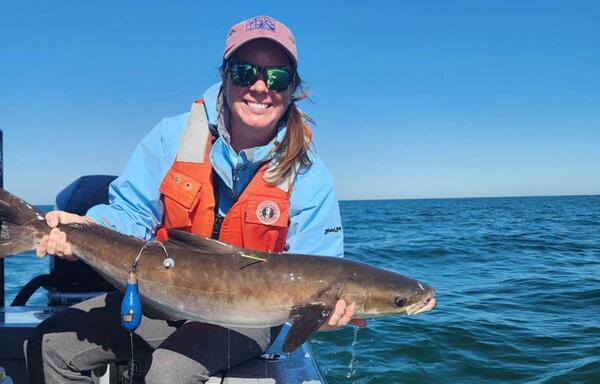
The USGS is also on the frontlines of combating some of the major threats facing fish and wildlife populations. Scientists are studying diseases such as chronic wasting disease and avian influenza, invasive species, and contaminants such as per- and polyfluoroalkyl substances known as PFAS. The USGS’s extensive research on invasive carp includes population monitoring and control and developing deterrent technology. These efforts aim to prevent further spread into the Great Lakes, protecting native sport fisheries in the process.
On water quality issues, USGS scientists are studying 6PPD-quinone, a compound used to make tires more durable that has been shown to be toxic to salmon and trout species. The USGS recently entered an agreement with a tire chemical manufacturer to evaluate safer alternatives to 6PPD and their potential effects on aquatic life.
Supporting Harvest Limits and Seasons

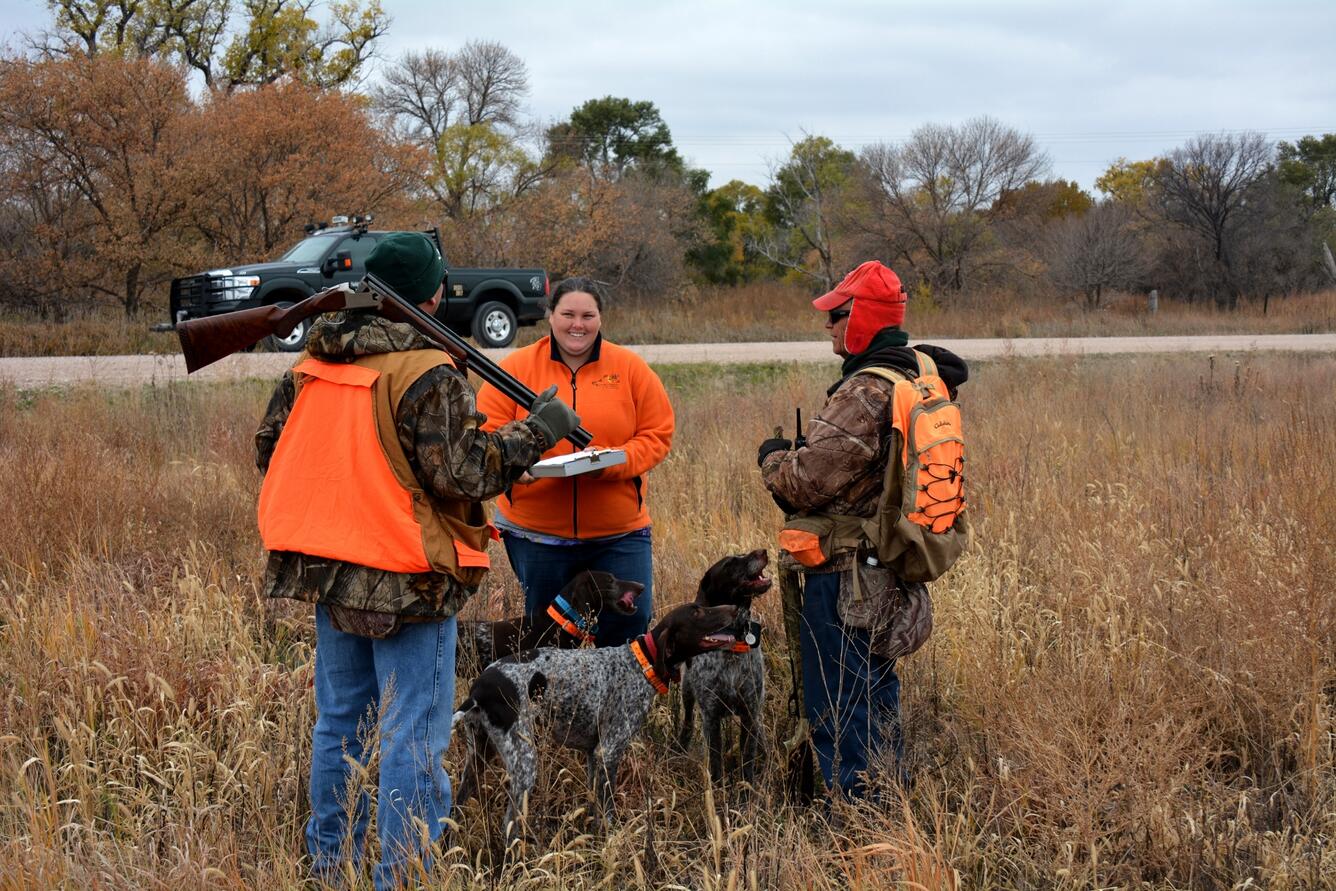
The USGS Bird Banding Lab and BBS have informed decades of migratory bird management decisions, providing critical information on waterfowl and other game bird species to support sustainable harvest and expanded hunting access. The USGS and U.S. Fish and Wildlife Service (USFWS) worked together to develop a formal decision-making framework for setting duck harvest regulations using data from the BBL and BBS, along with aerial surveys conducted by USFWS. This adaptive approach to harvest management has provided steady guidance to the waterfowl management community since 1995. To further improve waterfowl management decisions, the USGS and USFWS recently introduced a new framework for incorporating human dimensions into waterfowl conservation and decision-making.
Informing Habitat Restoration and Land-Use Planning
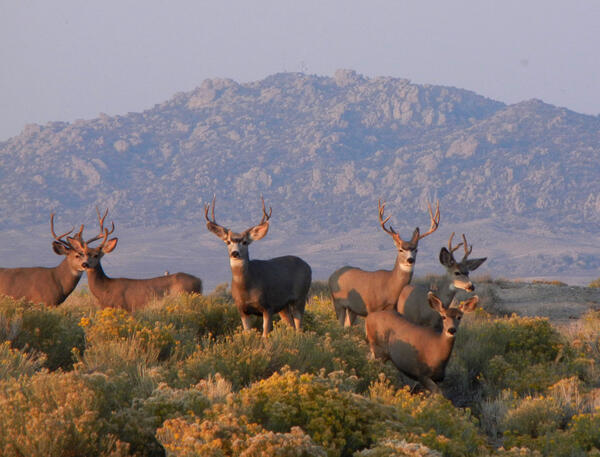
USGS science is informing efforts to enhance habitat for recreationally important species and support land-use planning in critical landscapes across the nation, such as the Chesapeake Bay, the Great Lakes, Puget Sound, the Gulf Coast, the San Francisco Bay-Delta, and the Prairie Pothole Region. The USGS-led West-wide Corridor Mapping team, a state-Tribal-federal partnership, develops maps of big game migrations across western states to inform land-use planning and species conservation, helping resource managers ensure that critical corridors for species such as elk, mule deer, and pronghorn, remain intact.
The USGS is also collaborating with local, state, and federal partners across the nation to inform restoration efforts that enhance fish habitat, support of the recovery of economically important fish species, and ensure sportfishing opportunities exist. Our collaborative efforts include leading fish passage and aquatic connectivity science by examining the physiology, life history, reproduction, and habitat needs for native migratory fishes; continuing fish passage design and testing technologies; and improving the data systems needed to guide habitat reconnection. These efforts are also leading to more effective restoration investments.
Helping Managers Adapt to Change
The USGS provides tools to help managers and the public prepare for changes to fish and wildlife populations. TroutCast, for example, is an interactive tool that helps users explore the projected impacts of drought on valuable trout fisheries in the northern Rocky Mountains. As droughts become more frequent and severe, reduced streamflows and rising water temperatures threaten cold-water trout species, which might impact populations, fishing opportunities, and local economies.
Early detection tools, such as the Rapid environmental e(DNA) Assessment and Deployment Initiative and Network, provide managers with information that allows them to rapidly respond to biological threats. These threats include invasive species, pathogens, and parasites that could impact fish and wildlife species that are important to hunters and anglers.
Working Hand in Hand with the Community
The USGS’s science is also directly informed by hunting and fishing community. For instance, hunters who report harvest data, anglers who report catches, and volunteers who help collect samples all contribute directly to USGS datasets. In that sense, National Hunting and Fishing Day isn’t just a celebration of tradition — it’s a reminder that the future of these pastimes depends on an ongoing partnership between the people who love the outdoors and the scientists working to understand it and inform land and wildlife management decisions.
When hunters and anglers take to the lands and waters each season, the regulations governing the hunts, the robust animal populations they pursue, and the healthy lands they depend on are shaped by USGS science. On National Hunting and Fishing Day, the USGS celebrates not just a cherished American tradition, but the decades of rigorous, applied science that ensures it endures.
Related
Expanding Distribution of Chronic Wasting Disease

Corridor Mapping Team: Ungulate Migrations of the West

Deep Dive: Sustaining the Rich Economic and Recreational Benefits of the Prairie Pothole Region

North American Breeding Bird Survey

Avian Influenza Surveillance

6PPDQ

READI-Net: Providing Tools for the Early Detection and Management of Aquatic Invasive Species
Related
Expanding Distribution of Chronic Wasting Disease
Corridor Mapping Team: Ungulate Migrations of the West
Deep Dive: Sustaining the Rich Economic and Recreational Benefits of the Prairie Pothole Region
North American Breeding Bird Survey
Avian Influenza Surveillance
6PPDQ