



Biosecurity
Biosecurity
Biosecurity helps protect people, animals, and plants from the introduction and transmission of infectious diseases.
Filter Total Items: 12
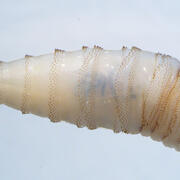
Responding to New World Screwworm in the U.S.
The USGS National Wildlife Health Center (NWHC) is supporting the Department of the Interior’s (DOI) preparedness planning and response for New World screwworm (NWS), an invasive parasitic fly detected in the U.S. in June 2026 after its northward spread from Central America.

USGS Northern Rocky Mountain Science Center Fiscal Year 2025 Highlights
The USGS Northern Rocky Mountain Science Center (NOROCK) proudly supports Federal, State, Tribal, and other partners by delivering high-quality data, cutting-edge science, and practical tools to support natural resource management. Below are some of NOROCK’s highlights during fiscal year 2025.
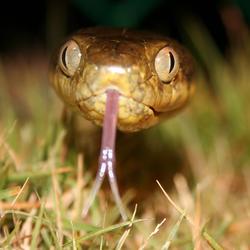
A Matter of Scales: USGS Science to Reduce Invasive Snake Impacts
The U.S. Geological Survey Ecosystem Mission Area plays a major role in invasive snake science across the country and the globe, ranging from research on improving snake detection to projects that enhance eradication. Our extensive science ultimately scales up to benefiting public health, energy transmission, tourism, and other key aspects of American prosperity.

Key Values of a Century of EESC Science
The USGS Eastern Ecological Science Center (EESC) is rooted in a proud tradition of service to the nation—advancing science that informs the conservation and management of fish, wildlife, and habitats across the eastern United States and beyond. Our mission is clear: deliver reliable, partner-driven science that supports natural resource decisions today, while ensuring these resources remain...

Using Telemetry to Understand Overlap in Habitat Use Between Waterfowl and Agricultural Birds in North America
USGS researchers are using telemetry to improve our understanding of how wild birds move throughout their environments and the potential implications for disease transmission within and to domestic poultry.

SBSC science supports invasive species management
Invasive species can harm ecosystems, increase wildfires, damage forests, and outcompete native species. The US Geological Survey's Southwest Biological Science Center conducts research that provides our federal and state partners, cooperators and land managers with the tools, data and strategies to enhance biosecurity management. Scroll through the information below to read about different SBSC...

Improve Control Efficiency Through Better Understanding of Grass Carp Movements and Habitat Use
The goal of this project is to address the threat of invasive Grass Carp by developing a comprehensive understanding of seasonal movements, habitat use, and areas of aggregation to determine when and where eradication efforts would be most effective.

Avian Influenza Surveillance
The USGS National Wildlife Health Center (NWHC) conducts surveillance in wild birds to facilitate early detection and situational awareness for high consequence pathogens, including highly pathogenic avian influenza (HPAI) viruses.

Developing a Process for Listing Injurious Wildlife Species
This project will develop a transparent process for prioritizing species for listing as injurious, likely to cause damage or harm, under the Lacey Act. Building upon previously developed "horizon scan" and "watchlist" products, this process will identify potentially invasive species that present the greatest risk to lands, waters, and other assets managed by the U.S. Department of the Interior.

Research to understand SARS-CoV-2 risks for wildlife
Multiple research endeavors at the USGS National Wildlife Health Center are ongoing to help assess the possible impacts of SARS-CoV-2 on wildlife.

2020 CARES Act
The Coronavirus Aid, Relief and Economic Security Act (CARES Act) was signed into law on March 27th, 2020, to aid response efforts and ease the economic impact of COVID-19. The Department of the Interior received funds to “prevent, prepare for, and response to coronavirus, domestically or internationally including, “biosurveillance of wildlife and environmental persistence studies.” The USGS...
By
Ecosystems Mission Area, Biological Threats and Invasive Species Research Program, Environmental Health Program, Eastern Ecological Science Center, Fort Collins Science Center, National Wildlife Health Center, Northern Rocky Mountain Science Center, Western Ecological Research Center (WERC), Western Fisheries Research Center

READI-Net: Providing Tools for the Early Detection and Management of Aquatic Invasive Species
The USGS has developed the Rapid environmental (e)DNA Assessment and Deployment Initiative & Network (READI-Net) to accelerate the implementation of environmental DNA (eDNA) analysis as a best practice for the early detection of aquatic biological threats. READI-Net provides tools and a strategy to collect and deliver early detection data for natural resource managers and public health protection...
By
Ecosystems Mission Area, Biological Threats and Invasive Species Research Program, Columbia Environmental Research Center, Eastern Ecological Science Center, Forest and Rangeland Ecosystem Science Center, New York Water Science Center, Northern Rocky Mountain Science Center, Upper Midwest Environmental Sciences Center, Wetland and Aquatic Research Center , Wyoming-Montana Water Science Center, Pacific Northwest Environmental DNA Laboratory, Infrastructure Investment Jobs Act