U.S. flag

An official website of the United States government

Images

We are cultivating and sharing the creativity, vision, and innovative perspectives that can be found among our graduate student, staff, faculty, and friends. 

Filter Total Items: 379
Shannon Brewer
Shannon Brewer is holding a blue sucker fish

Shannon is a research fish biologist and the Unit Leader at the Alabama CRU at Auburn University. Shannon's research questions focus on identifying relationships and mechanisms related to rare, declining, or economically-important aquatic species for which the causes and management responses are unclear.

Shannon is a research fish biologist and the Unit Leader at the Alabama CRU at Auburn University. Shannon's research questions focus on identifying relationships and mechanisms related to rare, declining, or economically-important aquatic species for which the causes and management responses are unclear.

Pronghorn
Pronghorn in southwestern New Mexico

A U.S. Geological Survey scientist and a graduate student at the New Mexico Cooperative Fish and Wildlife Research Unit on the campus of New Mexico State University, are leading efforts to monitor pronghorn movements in the Chihuahuan desert grasslands in southwestern New Mexico.

A U.S. Geological Survey scientist and a graduate student at the New Mexico Cooperative Fish and Wildlife Research Unit on the campus of New Mexico State University, are leading efforts to monitor pronghorn movements in the Chihuahuan desert grasslands in southwestern New Mexico.

Pronghorn in Southwestern New Mexico

A U.S. Geological Survey scientist and a graduate student at the New Mexico Cooperative Fish and Wildlife Research Unit on the campus of New Mexico State University, are leading efforts to monitor pronghorn movements in the Chihuahuan desert grasslands in southwestern New Mexico.

A U.S. Geological Survey scientist and a graduate student at the New Mexico Cooperative Fish and Wildlife Research Unit on the campus of New Mexico State University, are leading efforts to monitor pronghorn movements in the Chihuahuan desert grasslands in southwestern New Mexico.

Patrick Jodice
Patrick Jodice
Patrick Jodice
Patrick Jodice

Pat is a Wildlife Research Biologist with the USGS South Carolina Cooperative Fish and Wildlife Research Unit and a Professor in the Department of Forestry and Environmental Conservation.

Pat is a Wildlife Research Biologist with the USGS South Carolina Cooperative Fish and Wildlife Research Unit and a Professor in the Department of Forestry and Environmental Conservation.

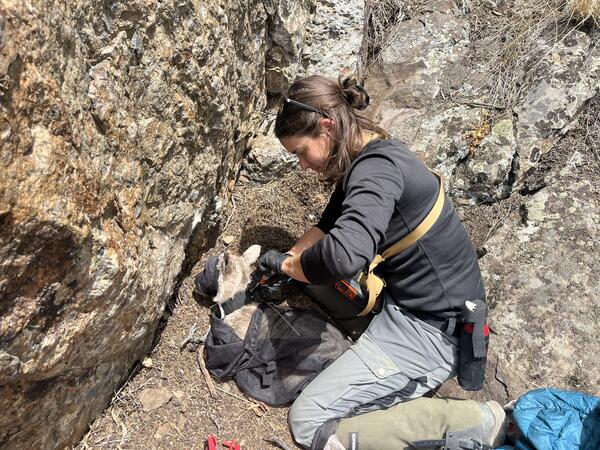
Graduate student is attaching a radio collar on a bighorn sheep
Graduate student is radio tagging a bighorn sheep

Bighorn sheep in the West face threats from M. ovi, a pathogen that causes respiratory disease. USGS scientists and graduate students at the Montana Cooperative Wildlife Research Unit in the Wildlife Biology Program at the University of Montana are examining how testing and removal of chronically M. ovi positive animals affect recruitment and survival rates.

Bighorn sheep in the West face threats from M. ovi, a pathogen that causes respiratory disease. USGS scientists and graduate students at the Montana Cooperative Wildlife Research Unit in the Wildlife Biology Program at the University of Montana are examining how testing and removal of chronically M. ovi positive animals affect recruitment and survival rates.

Graduate student is researching birds at a solar field.
Graduate student is researching birds at a solar field in New York

Our cutting-edge, ongoing research may accelerate domestic energy production by providing managers and industry vital information for solar-energy siting in the Northeast U.S. Good sites for solar energy, including agriculture lands like hayfields and pas, provide nesting habitat for grassland birds.

Our cutting-edge, ongoing research may accelerate domestic energy production by providing managers and industry vital information for solar-energy siting in the Northeast U.S. Good sites for solar energy, including agriculture lands like hayfields and pas, provide nesting habitat for grassland birds.

Graduate student is studying grassland birds at solar energy sites in the Northeast

Our cutting-edge, ongoing research may accelerate domestic energy production by providing managers and industry vital information for solar-energy siting in the Northeast U.S. Good sites for solar energy, including agriculture lands like hayfields and pas, provide nesting habitat for grassland birds.

Our cutting-edge, ongoing research may accelerate domestic energy production by providing managers and industry vital information for solar-energy siting in the Northeast U.S. Good sites for solar energy, including agriculture lands like hayfields and pas, provide nesting habitat for grassland birds.

Three birds perched on a solar panel in the Northeast

Our cutting-edge, ongoing research may accelerate domestic energy production by providing managers and industry vital information for solar-energy siting in the Northeast U.S. Good sites for solar energy, including agriculture lands like hayfields and pas, provide nesting habitat for grassland birds such as bobolink and eastern meadowlark. 

Our cutting-edge, ongoing research may accelerate domestic energy production by providing managers and industry vital information for solar-energy siting in the Northeast U.S. Good sites for solar energy, including agriculture lands like hayfields and pas, provide nesting habitat for grassland birds such as bobolink and eastern meadowlark. 

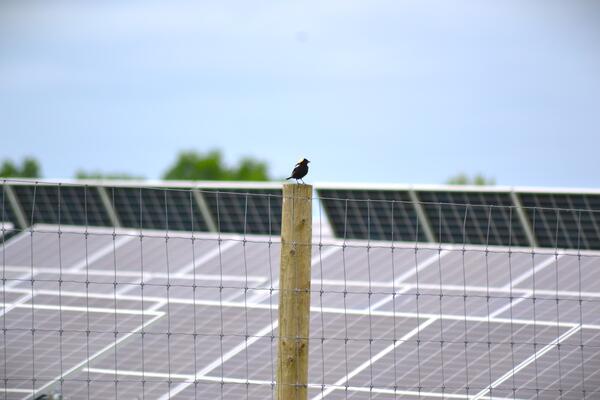
Bird perched on a wooden post at a solar energy site in the Northeast
A bird is perched on a wooden post at a solar energy site in the Northeast

Our cutting-edge, ongoing research may accelerate domestic energy production by providing managers and industry vital information for solar-energy siting in the Northeast U.S. Good sites for solar energy, including agriculture lands like hayfields and pas, provide nesting habitat for grassland birds.

Our cutting-edge, ongoing research may accelerate domestic energy production by providing managers and industry vital information for solar-energy siting in the Northeast U.S. Good sites for solar energy, including agriculture lands like hayfields and pas, provide nesting habitat for grassland birds.

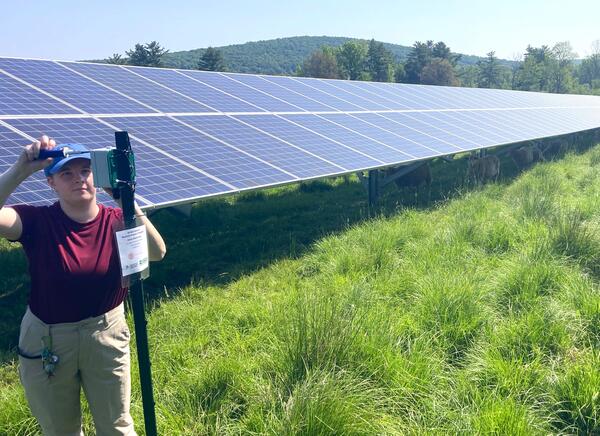
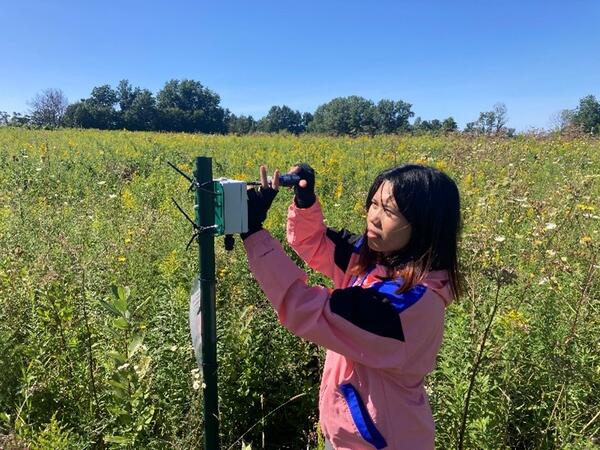
Graduate student is working on equipment at a solar field in the Northeast U.S.

Our cutting-edge, ongoing research may accelerate domestic energy production by providing managers and industry vital information for solar-energy siting in the Northeast U.S. Good sites for solar energy, including agriculture lands like hayfields and pas, provide nesting habitat for grassland birds such as bobolink and eastern meadowlark. 

Our cutting-edge, ongoing research may accelerate domestic energy production by providing managers and industry vital information for solar-energy siting in the Northeast U.S. Good sites for solar energy, including agriculture lands like hayfields and pas, provide nesting habitat for grassland birds such as bobolink and eastern meadowlark. 

Bighorn sheep
Bighorn sheep
Bighorn sheep
Bighorn sheep

Bighorn sheep in the West face threats from M. ovi, a pathogen that causes respiratory disease. USGS scientists and graduate students at the Montana Cooperative Wildlife Research Unit in the Wildlife Biology Program at the University of Montana are examining how testing and removal of chronically M.

Bighorn sheep in the West face threats from M. ovi, a pathogen that causes respiratory disease. USGS scientists and graduate students at the Montana Cooperative Wildlife Research Unit in the Wildlife Biology Program at the University of Montana are examining how testing and removal of chronically M.

Graduate student at a solar energy field in the Northeast U.S.

Our cutting-edge, ongoing research may accelerate domestic energy production by providing managers and industry vital information for solar-energy siting in the Northeast U.S. Good sites for solar energy, including agriculture lands like hayfields and pas, provide nesting habitat for grassland birds such as bobolink and eastern meadowlark. 

Our cutting-edge, ongoing research may accelerate domestic energy production by providing managers and industry vital information for solar-energy siting in the Northeast U.S. Good sites for solar energy, including agriculture lands like hayfields and pas, provide nesting habitat for grassland birds such as bobolink and eastern meadowlark. 

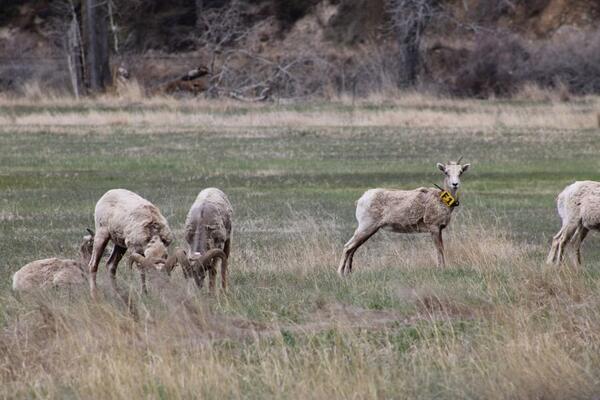
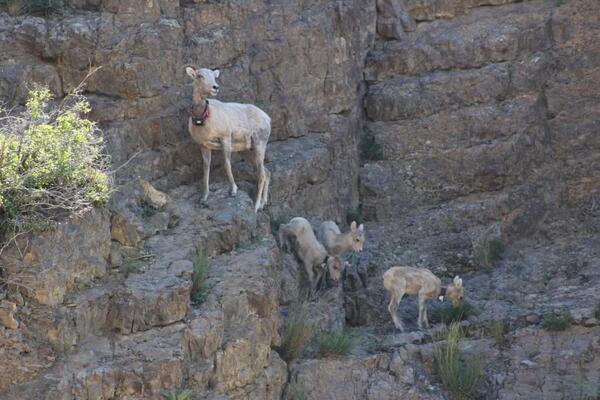
Highlands bighorn sheep in Montana

Bighorn sheep in the West face threats from M. ovi, a pathogen that causes respiratory disease. USGS scientists and graduate students at the Montana Cooperative Wildlife Research Unit in the Wildlife Biology Program at the University of Montana are examining how testing and removal of chronically M.

Bighorn sheep in the West face threats from M. ovi, a pathogen that causes respiratory disease. USGS scientists and graduate students at the Montana Cooperative Wildlife Research Unit in the Wildlife Biology Program at the University of Montana are examining how testing and removal of chronically M.

Savannah sparrow bird
Savannah sparrow
Savannah sparrow
Savannah sparrow

Savannah sparrow perched on a sign. Our cutting-edge, ongoing research may accelerate domestic energy production by providing managers and industry vital information for solar-energy siting in the Northeast U.S. Good sites for solar energy, including agriculture lands like hayfields and pas, provide nesting habitat for grasslands birds.

Savannah sparrow perched on a sign. Our cutting-edge, ongoing research may accelerate domestic energy production by providing managers and industry vital information for solar-energy siting in the Northeast U.S. Good sites for solar energy, including agriculture lands like hayfields and pas, provide nesting habitat for grasslands birds.

Grassland birds perched on a fence near a solar energy field in the Northeast

Our cutting-edge, ongoing research may accelerate domestic energy production by providing managers and industry vital information for solar-energy siting in the Northeast U.S. Good sites for solar energy, including agriculture lands like hayfields and pas, provide nesting habitat for grassland birds, such as eastern meadowlark and bobolink. 

Our cutting-edge, ongoing research may accelerate domestic energy production by providing managers and industry vital information for solar-energy siting in the Northeast U.S. Good sites for solar energy, including agriculture lands like hayfields and pas, provide nesting habitat for grassland birds, such as eastern meadowlark and bobolink. 

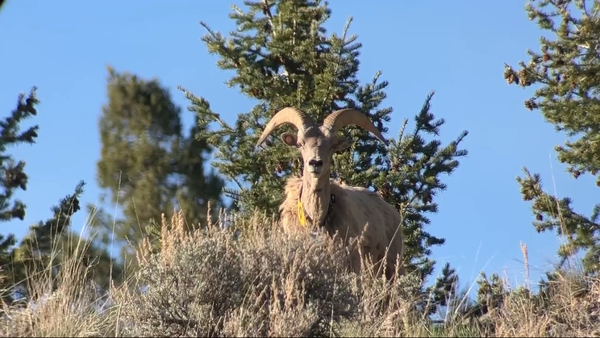
Bighorn sheep in Montana

Bighorn sheep in the West face threats due to M. ovi, a pathogen that causes respiratory disease. USGS researchers at the Montana Cooperative Wildlife Research Unit are partnering with the Montana Department of Fish, Wildlife and Parks and the Wildlife Biology Program at the University of Montana to explore management actions.

Bighorn sheep in the West face threats due to M. ovi, a pathogen that causes respiratory disease. USGS researchers at the Montana Cooperative Wildlife Research Unit are partnering with the Montana Department of Fish, Wildlife and Parks and the Wildlife Biology Program at the University of Montana to explore management actions.

Grassland birds perched on a solar panel
Grassland birds perched on a solar panel in the Northeast

Our cutting-edge, ongoing research may accelerate domestic energy production by providing managers and industry vital information for solar-energy siting in the Northeast U.S. Good sites for solar energy, including agriculture lands like hayfields and pas, provide nesting habitat for grassland birds such as bobolink and eastern meadowlark. 

Our cutting-edge, ongoing research may accelerate domestic energy production by providing managers and industry vital information for solar-energy siting in the Northeast U.S. Good sites for solar energy, including agriculture lands like hayfields and pas, provide nesting habitat for grassland birds such as bobolink and eastern meadowlark. 

Kelsey Shepherd, former M.S. student.
Kelsey Shepherd, former M.S. student at the Iowa Cooperative Fish and Wildlife Research Unit

The rusty patched bumble bee is a federally endangered species that was once widespread across the eastern U.S. and upper Midwest. Kelsey Shepherd, former M.S. student at the Iowa Cooperative Fish and Wildlife Research Unit

Kelsey Shepherd, former M.S. student
Kelsey Shepherd, former M.S. student, Iowa Cooperative Fish and Wildlife Research Unit

Kelsey Shepherd is busy collecting samples and examining the impacts of site characteristics and landscape composition on bumble bee health and site use. This work will inform future habitat restoration work for rusty patched bumble bees in the Midwest.

Kelsey Shepherd is busy collecting samples and examining the impacts of site characteristics and landscape composition on bumble bee health and site use. This work will inform future habitat restoration work for rusty patched bumble bees in the Midwest.

Was this page helpful?