



Decision Science and Quantitative Methods
Bird and Terrestrial Species Conservation
Fish and Aquatic Species Conservation
Pollinator Conservation
Fish and Wildlife Disease Investigation and Surveillance
Freshwater and Coastal Ecology
Eastern Ecological Science Center
The USGS Eastern Ecological Science Center (EESC) strives to provide world-class science to inform natural resource decisions that preserve and enhance our quality of life.
The land and water we live on and around shapes our lives. We share responsibility for the healthy fish, wildlife and landscapes that are assets to current and future generations.
EESC works directly with managers of our shared natural resources to provide the unbiased scientific tools, research and innovations needed to make informed decisions in today’s complex and rapidly changing conditions.
EESC’s broad expertise spans from mountain streams to deep oceans and the lands in between, supporting stewardship of a wide range of species and habitats.
Unique facilities in Maryland, Massachusetts and West Virginia help EESC deliver the reliable, actionable science that partners need to effectively conserve our treasured natural resources.
EESC Makes an Impact
Learn how EESC science is applied to today's biggest issues.
Connect with Us

Find locations, staff profiles and contact information for our team.
News
EESC in the News: Flow Photo Explorer
New Research Shows a Troubling Trend for Chesapeake Bay Osprey
Eastern Ecological Science Center Marine Research Highlights
Publications
USGS Flow Photo Explorer Updates USGS Flow Photo Explorer Updates
The surface elevation table and marker horizon technique: A protocol for measuring wetland elevation dynamics, narrative (Version 2.0) The surface elevation table and marker horizon technique: A protocol for measuring wetland elevation dynamics, narrative (Version 2.0)
Science

Modernized Breeding Bird Survey Portal
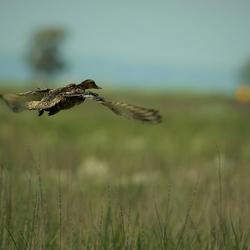
Avian Influenza Spread, Prevalence and Persistence
