



PFOS removal occurred as sulfate-reducing bacteria increased in soil experiments with a dehalogenating culture. Graphic Credits: Denise Akob
Images
See our science through the images below.
Filter Total Items: 3592

PFOS in the presence of sulfate-reducing bacteria
PFOS removal occurred as sulfate-reducing bacteria increased in soil experiments with a dehalogenating culture. Graphic Credits: Denise Akob

Storm over sagebrush steppe in Montana
A storm rolls in during field work at the Charles M. Russell National Wildlife Refuge in Montana. Crews were measuring plant cover and other site characteristics. Sagebrush and yellow sweet clover are visible.
A storm rolls in during field work at the Charles M. Russell National Wildlife Refuge in Montana. Crews were measuring plant cover and other site characteristics. Sagebrush and yellow sweet clover are visible.

Deer and elk using natural mineral lick
In the same day, a female mule deer (left image), an elk (middle image), and finally a buck mule deer (right image) visited the same mineral lick in the Greater Yellowstone Ecosystem. The USGS is investigating how the aggregation of multiple individuals and species in mineral lick locations can influence wildlife disease transmission.
In the same day, a female mule deer (left image), an elk (middle image), and finally a buck mule deer (right image) visited the same mineral lick in the Greater Yellowstone Ecosystem. The USGS is investigating how the aggregation of multiple individuals and species in mineral lick locations can influence wildlife disease transmission.

Wind turbines with one black blade
Wind turbines in Wyoming with one blade painted black. These turbines are part of a study in collaboration with PacifiCorp to assess if the contrasting colors of turbine blades can reduce bird fatalities at wind turbines.
Wind turbines in Wyoming with one blade painted black. These turbines are part of a study in collaboration with PacifiCorp to assess if the contrasting colors of turbine blades can reduce bird fatalities at wind turbines.

Cyanobacteria bloom near the shoreline of North Bar Lake in Sleeping Bear Dunes National Lakeshore, Michigan
Cyanobacteria bloom near the shoreline of North Bar Lake in Sleeping Bear Dunes National Lakeshore, MichiganCyanobacteria bloom near the shoreline of North Bar Lake in Sleeping Bear Dunes National Lakeshore, Michigan during the fall of 2024.
Cyanobacteria bloom near the shoreline of North Bar Lake in Sleeping Bear Dunes National Lakeshore, Michigan
Cyanobacteria bloom near the shoreline of North Bar Lake in Sleeping Bear Dunes National Lakeshore, MichiganCyanobacteria bloom near the shoreline of North Bar Lake in Sleeping Bear Dunes National Lakeshore, Michigan during the fall of 2024.

Microscope image of cyanobacteria (Microcystis sp.) collected from Lake Winnebago
Microscope image of cyanobacteria (Microcystis sp.) collected from Lake WinnebagoMicroscope image of cyanobacteria (Microcystis sp.) collected from Lake Winnebago, Wisconsin, June 23, 2024. Photo by Leon Katona
Microscope image of cyanobacteria (Microcystis sp.) collected from Lake Winnebago
Microscope image of cyanobacteria (Microcystis sp.) collected from Lake WinnebagoMicroscope image of cyanobacteria (Microcystis sp.) collected from Lake Winnebago, Wisconsin, June 23, 2024. Photo by Leon Katona
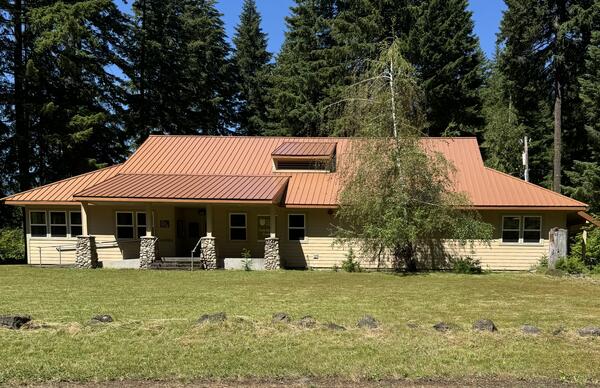
USGS WFRC Columbia River Research Laboratory
This is a photo of the new USGS Western Fisheries Research Center Columbia River Research Laboratory building.
This is a photo of the new USGS Western Fisheries Research Center Columbia River Research Laboratory building.
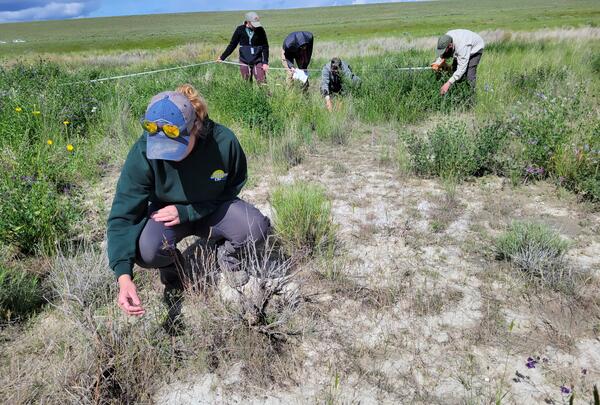
ROAM field data collection
A five-person USGS crew collecting Rapid and Other Assessment and Monitoring (ROAM) density data in southwest Idaho. One person is inspecting a plant in the foreground, while the rest of the team are identifying and counting individual plants during a radial density belt.
A five-person USGS crew collecting Rapid and Other Assessment and Monitoring (ROAM) density data in southwest Idaho. One person is inspecting a plant in the foreground, while the rest of the team are identifying and counting individual plants during a radial density belt.

Downward facing photo within a ROAM plot
A downward-facing photo taken on a Rapid and Other Methods for Assessment and Monitoring (ROAM) plot that is within a fuel break. The photo includes a lot of gravel and bare ground, with intermixed small grasses, forbs, and shrubs.
A downward-facing photo taken on a Rapid and Other Methods for Assessment and Monitoring (ROAM) plot that is within a fuel break. The photo includes a lot of gravel and bare ground, with intermixed small grasses, forbs, and shrubs.
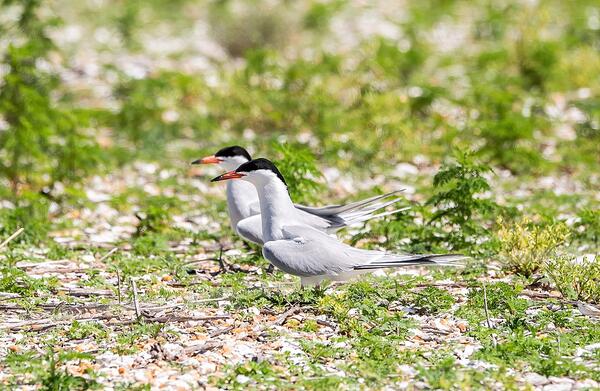
Poplar Island Two Terns
This Prosser Lab project aims to understand the factors driving breeding success of multiple waterbird species, with special emphasis on Least and Common Terns (two species of concern) on Poplar Island Environmental Restoration Project.
This Prosser Lab project aims to understand the factors driving breeding success of multiple waterbird species, with special emphasis on Least and Common Terns (two species of concern) on Poplar Island Environmental Restoration Project.
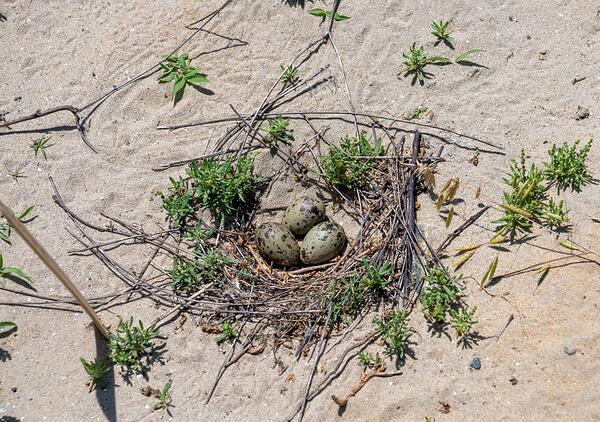
Poplar Island Tern Nest
This Prosser Lab project aims to understand the factors driving breeding success of multiple waterbird species, with special emphasis on Least and Common Terns (two species of concern) on Poplar Island Environmental Restoration Project.
This Prosser Lab project aims to understand the factors driving breeding success of multiple waterbird species, with special emphasis on Least and Common Terns (two species of concern) on Poplar Island Environmental Restoration Project.
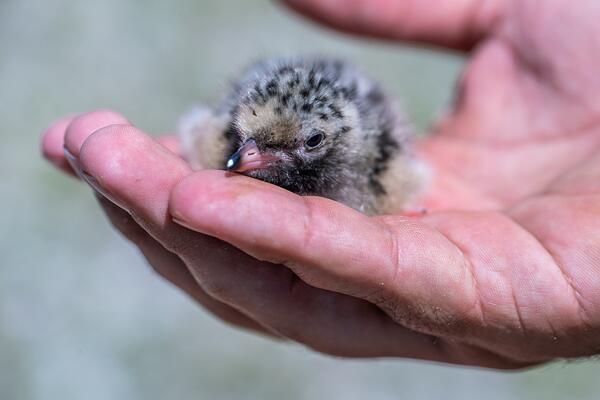
Poplar Island Chick in Hand
This Prosser Lab project aims to understand the factors driving breeding success of multiple waterbird species, with special emphasis on Least and Common Terns (two species of concern) on Poplar Island Environmental Restoration Project.
This Prosser Lab project aims to understand the factors driving breeding success of multiple waterbird species, with special emphasis on Least and Common Terns (two species of concern) on Poplar Island Environmental Restoration Project.
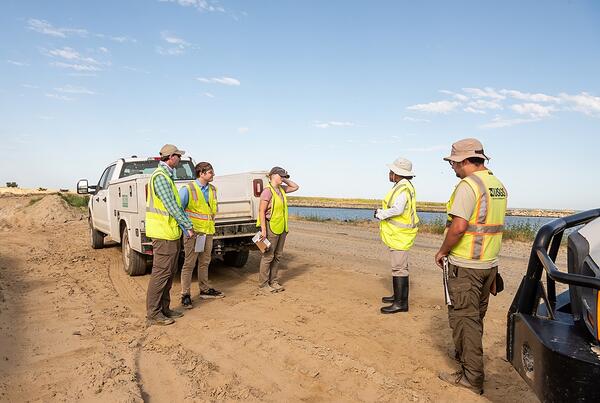
Poplar Island Scientists 2
This Prosser Lab project aims to understand the factors driving breeding success of multiple waterbird species, with special emphasis on Least and Common Terns (two species of concern) on Poplar Island Environmental Restoration Project.
This Prosser Lab project aims to understand the factors driving breeding success of multiple waterbird species, with special emphasis on Least and Common Terns (two species of concern) on Poplar Island Environmental Restoration Project.
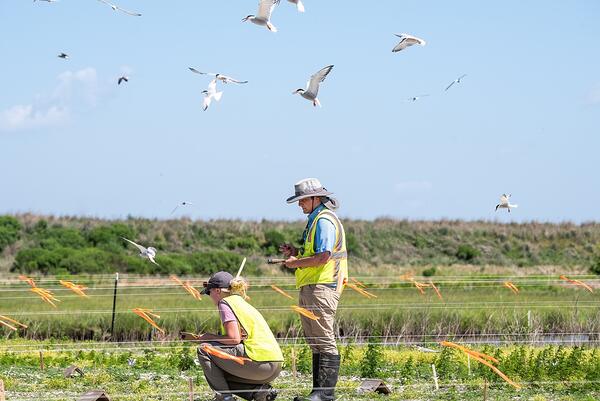
PoplarIslandScientists
This Prosser Lab project aims to understand the factors driving breeding success of multiple waterbird species, with special emphasis on Least and Common Terns (two species of concern) on Poplar Island Environmental Restoration Project.
This Prosser Lab project aims to understand the factors driving breeding success of multiple waterbird species, with special emphasis on Least and Common Terns (two species of concern) on Poplar Island Environmental Restoration Project.

Shore of Lake Abert, Oregon
Lake Abert, Oregon is one of the 20 terminal lakes identified by USGS partners as priority ecosystems for study by the Saline Lakes Ecosystems IWAA.
By
Ecosystems Mission Area, Water Resources Mission Area, Forest and Rangeland Ecosystem Science Center, Fort Collins Science Center, Nevada Water Science Center, Oregon Water Science Center, Utah Water Science Center, Western Ecological Research Center (WERC), Saline Lake Ecosystems Integrated Water Availability Assessment
Lake Abert, Oregon is one of the 20 terminal lakes identified by USGS partners as priority ecosystems for study by the Saline Lakes Ecosystems IWAA.
By
Ecosystems Mission Area, Water Resources Mission Area, Forest and Rangeland Ecosystem Science Center, Fort Collins Science Center, Nevada Water Science Center, Oregon Water Science Center, Utah Water Science Center, Western Ecological Research Center (WERC), Saline Lake Ecosystems Integrated Water Availability Assessment

Postfire debris flows
Fast-moving, highly destructive debris flows triggered by intense rainfall are one of the most dangerous post-fire hazards. The risk of floods and debris flows after fires increases due to vegetation loss and soil exposure. Cases of sudden and deadly debris flow are well documented along the western United States, particularly in Southern California.
Fast-moving, highly destructive debris flows triggered by intense rainfall are one of the most dangerous post-fire hazards. The risk of floods and debris flows after fires increases due to vegetation loss and soil exposure. Cases of sudden and deadly debris flow are well documented along the western United States, particularly in Southern California.

How Hot Are Wildfires?
How hot do wildfires get?
- 570 F degrees - TEMPERATURE AT WHICH WOOD WILL BURST INTO FLAMES
- 2,200 F degrees - TEMPERATURE WILDFIRES COULD REACH IN EXTREME CONDITIONS
How hot do wildfires get?
- 570 F degrees - TEMPERATURE AT WHICH WOOD WILL BURST INTO FLAMES
- 2,200 F degrees - TEMPERATURE WILDFIRES COULD REACH IN EXTREME CONDITIONS

Pelagic Cormorants of the St. Matthew Grotto
Pair of Pelagic Cormorant (Urile pelagicus) nest along the sea cliffs of a grotto on St. Matthew Island. The island is home to over 1.6 million nesting seabirds, including murres, kittiwakes, puffins and auklets.
Pair of Pelagic Cormorant (Urile pelagicus) nest along the sea cliffs of a grotto on St. Matthew Island. The island is home to over 1.6 million nesting seabirds, including murres, kittiwakes, puffins and auklets.
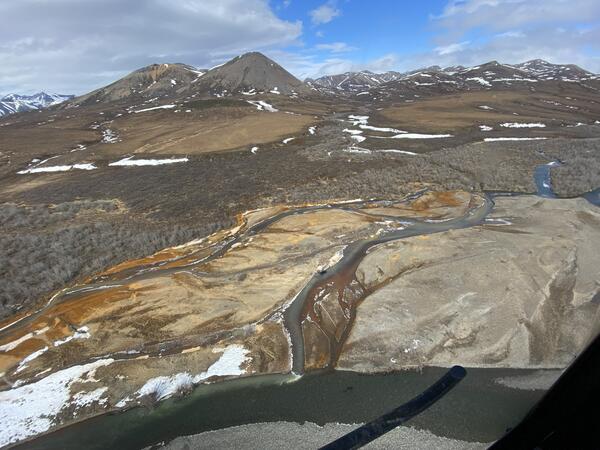
An orange tributary of the Kugururok River, Noatak National Preserve in Alaska
An orange tributary of the Kugururok River, Noatak National Preserve in AlaskaOrange streams are increasingly common in the Brooks Range of northern Alaska. The orange stream color reflects oxidized iron, but also often indicates elevated heavy metal concentrations. Our ongoing study aims to document these occurrences and the timing of their onset.
An orange tributary of the Kugururok River, Noatak National Preserve in Alaska
An orange tributary of the Kugururok River, Noatak National Preserve in AlaskaOrange streams are increasingly common in the Brooks Range of northern Alaska. The orange stream color reflects oxidized iron, but also often indicates elevated heavy metal concentrations. Our ongoing study aims to document these occurrences and the timing of their onset.

Coral Ecosystem Services
Coral reefs provide ample opportunities for recreational activities and fishing and add important cultural value to coastal communities.
They also bolster biodiversity by giving food and shelter to many species.
The structure of a reef helps dampen waves and protects coastlines from storms and erosion.
Coral reefs provide ample opportunities for recreational activities and fishing and add important cultural value to coastal communities.
They also bolster biodiversity by giving food and shelter to many species.
The structure of a reef helps dampen waves and protects coastlines from storms and erosion.

Photomicrographs from little brown bats, one with square-eared anomaly, found dead in Montana, USA.
Photomicrographs from little brown bats, one with square-eared anomaly, found dead in Montana, USA.Photomicrographs from an unaffected Little Brown Bat (M. lucifugus; A-B) and Little Brown Bat found dead in Montana, USA with the square-eared anomaly (C-E). Periodic Acid Schiff-Hematoxylin. (A) Pinna of an unaffected Little Brown Bat showing the epidermis (e and arrow), dermis (d) and central elastic cartilage plate (c).
Photomicrographs from little brown bats, one with square-eared anomaly, found dead in Montana, USA.
Photomicrographs from little brown bats, one with square-eared anomaly, found dead in Montana, USA.Photomicrographs from an unaffected Little Brown Bat (M. lucifugus; A-B) and Little Brown Bat found dead in Montana, USA with the square-eared anomaly (C-E). Periodic Acid Schiff-Hematoxylin. (A) Pinna of an unaffected Little Brown Bat showing the epidermis (e and arrow), dermis (d) and central elastic cartilage plate (c).