



Fish and Wildlife Disease
Fish and Wildlife Disease
Chronic wasting disease and cervid health—2025 highlights
White-Nose Syndrome and Bat Health: 2025 Year in Review
Batrachochytrium salamandrivorans (Bsal) Surveillance
Tackling avian influenza with automated detection for an early warning system
Distribution of CWD Expanding
Chronic Wasting Disease continues to spread across North America
Chronic Wasting Disease continues to spread across North America
What is Avian Influenza (AI)?
USGS is the lead Federal agency for free-ranging wildlife disease research and surveillance. Our capabilities enhance the understanding of wildlife disease ecology and epidemiology as well as inform the development of decision-support and control tools. USGS wildlife disease experts provide technical assistance as needed to manage wildlife disease and conduct cause-of-death investigations.

Filter Total Items: 172

North American Bat Monitoring Program (NABat)
Bats are essential contributing members of healthy, functioning ecosystems. They perform numerous ecosystem services like insect pest control and plant pollination, and provide enormous economic benefits through ecotourism, medical research, and novel biotechnologies. North American bats face unprecedented threats including habitat loss and fragmentation, white-nose syndrome, and wind energy...

Avian Influenza Research
Since 2006, the USGS Alaska Science Center has been part of the State and Federal interagency team for the detection and response to highly pathogenic (HPAI) viruses in North America. Avian influenza or "bird flu" is a viral disease that primarily infects domestic poultry and wild birds. Avian influenza viruses are naturally occurring in wild birds such as ducks, geese, swans, and gulls. These...

EESC Makes an Impact: Empowering State-led Wildlife Management
Management of state natural resources is a collaborative effort between state governments, federal agencies, tribal governments, and local stakeholders. USGS Eastern Ecological Science Center (EESC) supports state-led wildlife management with research that clarifies complex issues, enhances scientific quality and communication, broadens solution options, and enables cost-sharing and mutual...
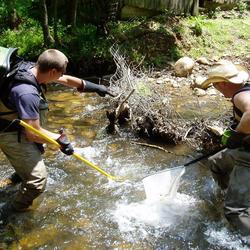
EESC Makes an Impact: Enhancing Recreational & Commercial Fishing
The USGS Eastern Ecological Science Center (EESC) provides world-class science to inform natural resource decisions on aquatic ecosystems, species populations and management, disease, and invasive species. Our scientific products represent critical contributions that enhance the ecological and economic sustainability of recreational and commercial fishing. In the United States, anglers contribute...
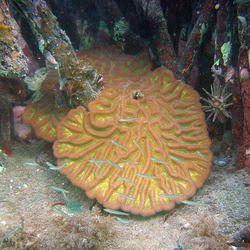
Research in Response to Florida’s Emerging Stony Coral (scleractinia) Diseases
Stony coral tissue loss disease (SCTLD) is a rapidly progressive disease threat to corals that results in a bleached appearance due to loss of living tissue.
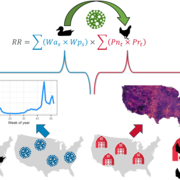
Advancing Risk Modeling for Highly Pathogenic Avian Influenza
Ongoing global outbreaks demonstrate the capacity of highly pathogenic avian influenza virus (HPAIV) to impact poultry, wild birds, and even human health. USGS research is advancing the understanding of the spatial and temporal interface between wild and domestic bird populations from which these viruses emerge to aid biosecurity planning and outbreak response.
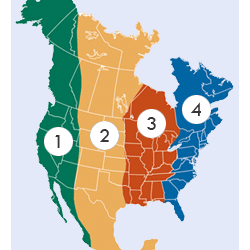
Understanding Circulating Avian Influenza Viruses and How They Spread
USGS research is quantifying the strains and prevalence of avian influenza viruses circulating in wild waterfowl and improving our understanding of how viruses move between and within migratory flyways.

Key Values of a Century of EESC Science
The USGS Eastern Ecological Science Center (EESC) is rooted in a proud tradition of service to the nation—advancing science that informs the conservation and management of fish, wildlife, and habitats across the eastern United States and beyond. Our mission is clear: deliver reliable, partner-driven science that supports natural resource decisions today, while ensuring these resources remain...
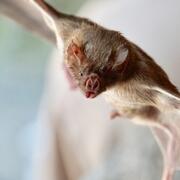
Wildlife Disease Management Tools
The USGS National Wildlife Health Center works with federal, state, Tribal, and other partners to develop practical scientific tools and information to help wildlife managers and other decision-makers prevent, prepare for, and respond to wildlife disease threats. These tools range from direct disease-management interventions—such as vaccines and treatment approaches for invasive species—to...

Helping Secure Our Nation’s Food Supply: The Intersection of Agriculture, Health, and Environment
Agriculture is vital to the U.S. economy, supplying food, fibers, fuels, and jobs. Ensuring the quality of our natural resources is essential for keeping our food safe and plentiful. The USGS studies environmental factors affecting food security and offers valuable insights to reduce health risks, ensuring a safer food supply and a healthier environment.

EESC Makes an Impact: Protecting Ecosystems to Safeguard Food and Water
Research at the USGS Eastern Ecological Science Center (EESC) supports understanding of the connection between ecosystem health and the quality and availability of America's food and water. USGS studies help monitor and assess the health of terrestrial and aquatic ecosystems, species populations, water quality, and contaminants affecting health and habitats. Information gained through this...
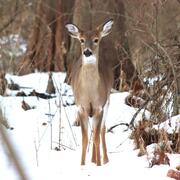
EESC Makes an Impact: Preserving our Hunting Resources
Hunting is an economic engine for the U.S. and responsible management of these resources directly supports 45.2 billion dollars spent by hunters annually. Conservation and management of hunting resources also contributes substantially to the 394.8 billion dollars spent on all wildlife-related recreation. Hunting traditions are an integral component of our American heritage, with 14.4 million...