



Contaminants can be chemical or biological and represent major stressors to ecosystems, including human and wildlife populations. Chemical contaminants include those purposefully released into the environment (for example, pesticides) and those that are inadvertently released (for example, mining waste). Biological contaminants can harm our food, water or environment with microorganisms (for example, fungus, bacteria, virus). USGS scientists are helping to understand potential environmental and health hazards posed by chemical and biological contaminants. We study the connections between air, water, soil, and living things to identify the environmental pathways that expose humans and wildlife to contaminants.
Environmental Health Program
Contaminants and Pathogens
Emerging Contaminants
Natural Resource Damage Assessment and Restoration
USGS Contaminants Science
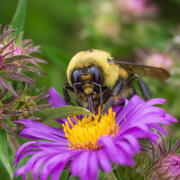
Science for effective pollinator conservation and improved food security

SBSC: Providing Unbiased Actionable Science & Information to Support Natural Resource Management Needs of the U.S. & Department of the Interior Priorities

Healthy Fish and Wildlife: Community Livelihoods, Fishing and Hunting Heritage, Recreation, and Economic Security

Effective Communication in PFAS Research: Moving Beyond "Ubiquitous"

Navigating PFAS Contamination: Insights from the USGS Potomac River Watershed Study

USGS Ecosystems Science for Food and Water Security

Beyond the Usual Suspects: A Comprehensive Look at Agricultural Stream Contaminants

Understanding the Dynamics of Per- and Polyfluoroalkyl Substances (PFAS): Insights from USGS Research

Beneath the Surface: Exploring PFAS and Drinking Water on French Island, Wisconsin

Increasing Efficiency During the Life Cycle of Energy Development: Key Strategies for Improving the Utilization of Our Nation's Energy Resources

Life Cycle of Critical Minerals: A Balanced Approach to Meeting Our Nation's Resource Demands
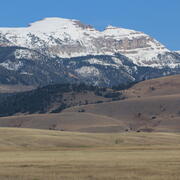
Natural Solutions for Reducing PFOS Pollution in Our Environment

Innovative Sensor Development for Detecting Low-Micrometer Plastics in Freshwater Systems

Wildfires Increase Mercury Concentrations in Headwater Streams

Increased Mercury, Reduced Insect Diversity, and Food Web impacts from Historical Mercury Mining
A National Predictive Model for PFAS Occurrence in Groundwater
Per- and Polyfluoroalkyl Substance (PFAS) Core Technology Team

Estimating Methylmercury Injury to Birds—“The Bird Mercury Tool”

USGS Science Opportunities Related to the Nationally Relevant Study of Microplastics

U.S. Geological Survey Develops Per- and Polyfluoroalkyl Substances (PFAS) Sampling Guide

Human-Related Compounds in Water Sources in the Grand Canyon Help Identify Water Flow Pathways and Highlight Potential Water Quality Changes
Contaminants can be chemical or biological and represent major stressors to ecosystems, including human and wildlife populations. Chemical contaminants include those purposefully released into the environment (for example, pesticides) and those that are inadvertently released (for example, mining waste). Biological contaminants can harm our food, water or environment with microorganisms (for example, fungus, bacteria, virus). USGS scientists are helping to understand potential environmental and health hazards posed by chemical and biological contaminants. We study the connections between air, water, soil, and living things to identify the environmental pathways that expose humans and wildlife to contaminants.
Environmental Health Program
Contaminants and Pathogens
Emerging Contaminants
Natural Resource Damage Assessment and Restoration
USGS Contaminants Science
Science for effective pollinator conservation and improved food security
SBSC: Providing Unbiased Actionable Science & Information to Support Natural Resource Management Needs of the U.S. & Department of the Interior Priorities
Healthy Fish and Wildlife: Community Livelihoods, Fishing and Hunting Heritage, Recreation, and Economic Security
Effective Communication in PFAS Research: Moving Beyond "Ubiquitous"
Navigating PFAS Contamination: Insights from the USGS Potomac River Watershed Study
USGS Ecosystems Science for Food and Water Security
Beyond the Usual Suspects: A Comprehensive Look at Agricultural Stream Contaminants
Understanding the Dynamics of Per- and Polyfluoroalkyl Substances (PFAS): Insights from USGS Research
Beneath the Surface: Exploring PFAS and Drinking Water on French Island, Wisconsin
Increasing Efficiency During the Life Cycle of Energy Development: Key Strategies for Improving the Utilization of Our Nation's Energy Resources
Life Cycle of Critical Minerals: A Balanced Approach to Meeting Our Nation's Resource Demands
Natural Solutions for Reducing PFOS Pollution in Our Environment
Innovative Sensor Development for Detecting Low-Micrometer Plastics in Freshwater Systems
Wildfires Increase Mercury Concentrations in Headwater Streams
Increased Mercury, Reduced Insect Diversity, and Food Web impacts from Historical Mercury Mining
A National Predictive Model for PFAS Occurrence in Groundwater
Per- and Polyfluoroalkyl Substance (PFAS) Core Technology Team
Estimating Methylmercury Injury to Birds—“The Bird Mercury Tool”
USGS Science Opportunities Related to the Nationally Relevant Study of Microplastics
U.S. Geological Survey Develops Per- and Polyfluoroalkyl Substances (PFAS) Sampling Guide